
When you’re building in Alaska, windows aren’t just a design feature — they’re a major part of your comfort, energy performance, and everyday quality of life. The right windows can fill your home with natural light during the darker months, keep drafts and cold spots out during long winters, and prevent moisture problems that cause fogging, mold, or even long-term damage. The wrong windows? They can make a brand-new home feel chilly, increase your heating bills, and leave you constantly battling condensation and ice buildup.
If you’re planning a custom build or comparing options with Alaska home builders, this guide will help you understand what actually matters when choosing windows for Alaska homes. We’ll cover the most important performance factors, how to maximize daylight without sacrificing warmth, and the real-world details that keep condensation under control. Because in a cold climate, the “best” window isn’t the one with the prettiest frame — it’s the one that performs flawlessly year after year.
Why Windows Matter More in Alaska Than Anywhere Else
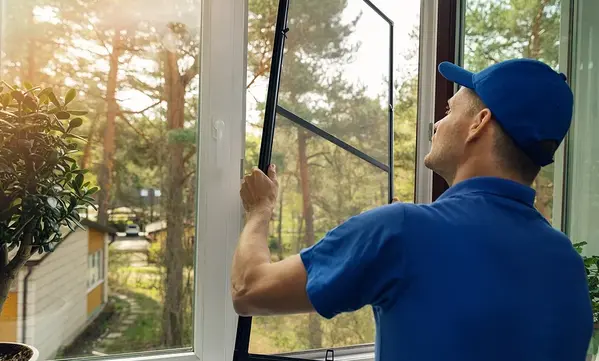 In many parts of the U.S., windows are often chosen based on looks and budget. In Alaska, windows affect far more than curb appeal. They influence:
- Heat retention and drafts
- Interior comfort near walls and seating areas
- Moisture control and indoor air quality
- Daylight and mood during darker seasons
- Long-term durability in extreme temperature shifts
The combination of cold temperatures, strong winds in many regions, and long heating seasons creates pressure on the entire building envelope. Windows are one of the most vulnerable parts of that envelope because glass is naturally less insulating than a framed wall. That’s why Alaska homeowners need to think about windows as a performance system, not an afterthought.
What “Good Window Performance” Really Means in Alaska
When people say they want “good windows,” they usually mean one of two things:
- They want their home to feel warm and comfortable near the windows
- They want their windows to stay clear and dry (no condensation or frost)
In Alaska, the best windows do both. They hold heat in and moisture out while still letting light in. To get that result, your window selection should focus on three performance priorities:
1) Insulation (cold-climate thermal performance)
A window should slow heat transfer as much as possible.
2) Airtightness (draft prevention)
Even a high-rated window can feel cold if air leaks around it.
3) Condensation resistance (moisture control)
A window can be “efficient” and still fog up if it’s not designed for cold climates.
The Window Ratings You Actually Need to Pay Attention To
When choosing windows for an Alaska home, you’ll run into a lot of numbers. Some matter more than others. Here are the most important ones, explained in plain language.
U-Factor (the most important rating in cold climates)
U-factor measures how well a window prevents heat from escaping. The lower the number, the better the window insulates.
For Alaska homes, you generally want a low U-factor because heating season is long and temperatures can be extreme. A better U-factor means:
- warmer glass surfaces
- less draft-like discomfort
- lower energy use
- improved condensation resistance
SHGC (Solar Heat Gain Coefficient)
SHGC measures how much solar heat comes through the glass.
In Alaska, this number matters because sunlight can be your friend — especially on south-facing walls. In some designs, you can intentionally use the sun to offset heating costs by choosing glass that allows more solar gain where it makes sense.
Air Leakage Rating
This is one of the most overlooked specs, and it matters a lot in Alaska. Air leakage measures how much air passes through the window assembly.
Lower air leakage = fewer drafts, less cold air infiltration, and better overall comfort.
Even the best glass package won’t save you if the window leaks air.
Visible Transmittance (VT)
VT tells you how much light the window lets in. A higher VT means a brighter interior — which is valuable in Alaska during long dark periods.
However, very high VT sometimes means less protective coatings, so it’s about balance.
Double Pane vs Triple Pane: What Alaska Buyers Should Choose
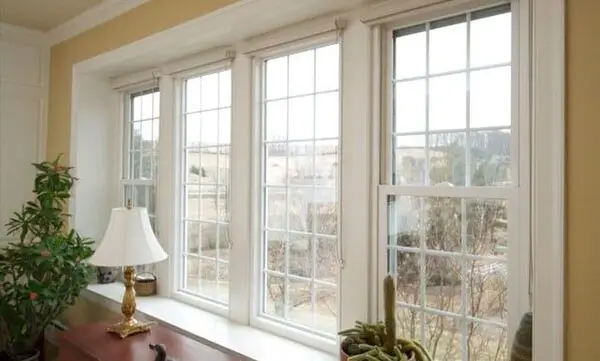 One of the most common questions is whether triple-pane windows are “worth it” in Alaska. In many cases, yes — but it depends on the home design and your expectations.
Double-pane windows
Double-pane windows have two layers of glass with a sealed airspace between them. They’re common, widely available, and can perform well in moderate cold climates.
However, in Alaska, double-pane windows can still feel cold to the touch in winter, and they can be more prone to condensation depending on indoor humidity levels.
Triple-pane windows
Triple-pane windows add a third layer of glass, which increases insulation and helps keep the inner glass surface warmer.
Benefits of triple-pane windows in Alaska:
- better thermal performance and comfort
- less condensation risk
- less temperature swing near windows
- quieter interior (more sound reduction)
Triple-pane windows can cost more, but they often deliver noticeable comfort improvements—especially in homes with larger window areas, vaulted ceilings, or open layouts where drafts stand out more.
If your goal is long-term comfort in an Alaska build, triple-pane is typically the smarter choice.
Gas Fills and Coatings: The Quiet Features That Make a Big Difference
Many window buyers focus on frame color and style, but performance comes from what you can’t easily see.
Gas Fill (Argon or Krypton)
Windows are often filled with insulating gas between panes rather than just air.
- Argon is the most common and offers a good balance of performance and cost.
- Krypton can offer better performance in thinner spaces, but it tends to be more expensive.
Gas fills reduce heat transfer and help the interior pane stay warmer.
Low-E Coatings
Low-E is a thin coating on the glass that reflects heat. In cold climates, this coating helps keep heat inside during winter while still allowing daylight.
A well-chosen Low-E configuration can:
- reduce heat loss
- improve comfort
- limit UV fading on furniture
- help manage condensation by warming the interior surface
Low-E coatings are not all the same. Some are designed for more solar gain, others for more heat retention, and the right choice depends on window orientation and your design goals.
Condensation: Why It Happens and How to Prevent It in Alaska Homes
If you’ve lived in a cold climate, you’ve probably seen window condensation — foggy glass, water droplets, or even frost at the bottom of the window. It’s frustrating, and it’s one of the top complaints in winter.
Condensation happens when warm, moist indoor air meets a cold surface. When the glass surface temperature drops below the dew point, moisture forms.
In Alaska, condensation is common because:
- indoor air is warm and humid (from showers, cooking, laundry, breathing)
- outdoor air is extremely cold
- glass surfaces can become very cold, especially with lower-quality windows
Why is condensation more than just annoying
Condensation isn’t only a visibility issue. If it’s consistent, it can lead to:
- water damage around sills and trim
- peeling paint or stained wood
- mold growth in window frames
- long-term rot if moisture gets trapped
How to reduce condensation risk
The best approach is a combination of window performance and home systems:
Choose windows with better thermal performance
Triple-pane, low U-factor windows keep the interior pane warmer, which reduces condensation risk.
Improve ventilation
A well-designed ventilation system helps remove moisture from the indoor air instead of letting it linger.
Manage indoor humidity
In winter, many homeowners unknowingly keep humidity levels too high. It feels nice for skin and comfort, but it can increase condensation.
Ensure airtight installation
Air leakage around the window frame can bring cold air into contact with interior surfaces, making condensation worse.
Window Frames in Alaska: Vinyl, Fiberglass, Wood, or Aluminum-Clad?
The frame matters more than many buyers realize, because it affects durability, maintenance, insulation, and how stable the window remains over time.
Vinyl
Vinyl windows are common and budget-friendly. They can perform well, but quality varies widely.
Best for:
- value-focused builds
- smaller window sizes
- homeowners who want low maintenance
Potential downside in Alaska:
- lower-end vinyl can feel less rigid in extreme cold and over time
- color choices may be more limited
Fiberglass
Fiberglass windows are known for strength and stability. They tend to handle extreme temperature swings better and remain more rigid over time.
Best for:
- larger windows and expansive glass
- cold-climate durability
- long-term performance builds
Wood (often with exterior cladding)
Wood interiors offer a warm, high-end look. Many are protected externally with aluminum cladding.
Best for:
- premium custom homes
- architectural style projects
homeowners who love natural interiors
Consideration:
- wood requires more care and attention long-term
- higher cost is common
Aluminum (and aluminum-clad)
Pure aluminum frames conduct heat easily, which can be a disadvantage in cold climates. However, modern aluminum-clad designs often pair aluminum exteriors with insulated interiors for better performance.
Best for:
- modern architecture
- durability against the elements
- higher-end builds with proper thermal breaks
Window Orientation: The Key to Daylight Without Losing Heat
In Alaska, daylight is valuable. But maximizing light doesn’t mean “add more windows everywhere.” It means smart placement and sizing.
Here’s how to think about orientation:
South-facing windows (your daylight advantage)
South-facing windows can bring in more consistent light and potentially solar warmth. Many Alaskans intentionally place larger windows on the south side to improve brightness and comfort.
North-facing windows (soft light, higher heat loss)
North-facing windows bring in cooler, softer light but don’t offer solar heat gain. In cold climates, these windows are more likely to feel chilly and may be better kept smaller.
East-facing windows (morning light)
Great for kitchens and breakfast areas if you love bright mornings.
West-facing windows (afternoon light + glare risk)
West windows can be gorgeous at sunset, but they can also create glare and overheating on sunny days, even in cool climates.
A balanced design uses larger window areas where the light and solar gain help, and smaller windows where heat loss outweighs benefits.
Bigger Windows vs Better Windows: What’s Smarter in Alaska?
Modern homes often feature big glass walls and tall window designs. They look beautiful and feel open—but in Alaska, the glass area needs to be handled strategically.
If you want larger windows, the key is to upgrade performance so the home stays comfortable.
When large windows make sense:
- the view is a major part of the home’s value
- you want maximum daylight in the main living spaces
- the window orientation supports it (often south-facing)
What you should do if you go big:
- choose triple-pane glass
- prioritize low air leakage rating
- upgrade installation and sealing details
- consider window coverings for nighttime insulation
A well-designed Alaska home can absolutely have large windows—without turning into a cold, drafty space. You just need the right window package.
Installation Matters as Much as the Window Itself
This is the part many homeowners don’t realize: you can buy excellent windows and still end up uncomfortable if installation quality is poor.
A window should be installed as a complete air-and-water management system. If the sealing, flashing, and insulation around the window aren’t handled correctly, you can get:
- drafts and cold spots
- moisture intrusion
- condensation issues
- reduced performance, even with high-end glass
In Alaska, this matters even more because temperature differences create pressure and moisture movement. Proper installation protects the home long-term.
The Best Window Features for Alaska Home Comfort
If you want a quick checklist of what most Alaska homeowners benefit from, here’s the simple “smart window package” idea:
✅ Triple-pane glass for comfort and condensation resistance
✅ Low U-factor for better thermal performance
✅ Low air leakage rating to prevent drafts
✅ Cold-climate Low-E coating choices
✅ Argon gas fill (or high-performance equivalent)
✅ Strong frame material (fiberglass or high-quality vinyl often performs well)
✅ Professional installation with airtight sealing and flashing
It’s not about choosing the most expensive option—it’s about choosing the right combination of performance and durability.
Windows Should Make Your Alaska Home Feel Better Every Day
The best windows for Alaska homes aren’t just about saving energy — they’re about how your home feels to live in. Warmer indoor comfort, fewer drafts, clearer glass, less condensation, and brighter natural light all add up to a home that feels calm, cozy, and easy to maintain. When you make window decisions early and strategically, you avoid the costly regrets that come from picking based only on looks or price.
If you’re planning a custom build and want a home designed for Alaska’s climate from the ground up, window selection is one of the smartest places to invest. It’s one of those decisions that pays you back every single winter—quietly, consistently, and comfortably.
