
Designing a home in Alaska or any northern region requires more than choosing finishes and square footage. In cold climates, layout decisions directly affect energy efficiency, heating performance, comfort, and long-term operating costs. One of the most common questions homeowners ask during the design phase is whether open concept floor plans vs traditional layouts in cold climates perform differently — and which option truly works best.
The answer is not simply aesthetic. In regions where winters are long, temperatures drop well below freezing, and homes are occupied indoors for extended periods, floor plan design becomes a functional decision. This guide explores heating efficiency, insulation strategy, airflow, lifestyle considerations, resale value, and cost implications to help you make the right choice.
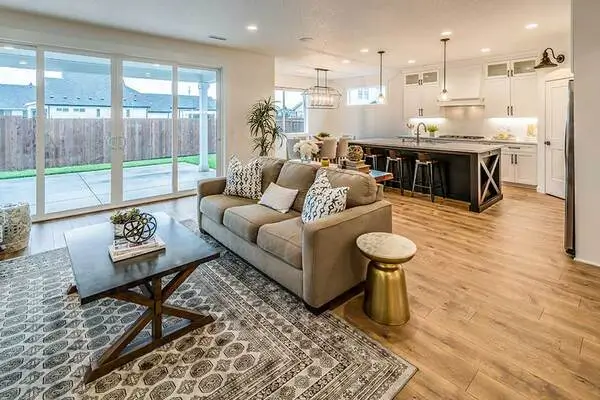 Understanding Open Concept Floor Plans
Open concept floor plans remove interior walls between main living spaces. The kitchen, dining area, and living room flow into one large shared space. Vaulted ceilings, expansive windows, and centralized gathering areas are common features.
This style has grown in popularity over the past two decades because it offers:
- Increased natural light
- A sense of spaciousness
- Improved sightlines
- Modern design appeal
- Better social interaction
In milder climates, open layouts are often purely lifestyle-driven. In cold climates, however, they influence how heat circulates and how efficiently a home performs.
Understanding Traditional Layouts
Traditional floor plans divide spaces into separate rooms with walls and doors. Kitchens are enclosed or semi-enclosed. Living rooms and dining rooms are distinct areas. Hallways connect private and public spaces.
Benefits of traditional layouts include:
- Heat containment within smaller rooms
- Greater privacy
- Reduced sound transfer
- Zoned heating flexibility
In cold regions, the ability to close doors and isolate heated spaces can significantly influence energy performance.
Heating Efficiency: The Core Issue in Cold Climates
When evaluating open concept floor plans vs traditional layouts in cold climates, heating efficiency becomes the central concern. Heat naturally rises. In homes with high ceilings and large open areas, warm air can accumulate near the ceiling, leaving lower living areas cooler. This phenomenon can increase heating demand and create uneven comfort levels. Traditional layouts, with smaller enclosed rooms and standard ceiling heights, naturally retain heat more effectively. Rooms warm up faster and require less energy to maintain consistent temperatures. However, this does not mean open concept homes cannot perform well. Proper mechanical system design is the key difference-maker.
HVAC Design and Air Circulation
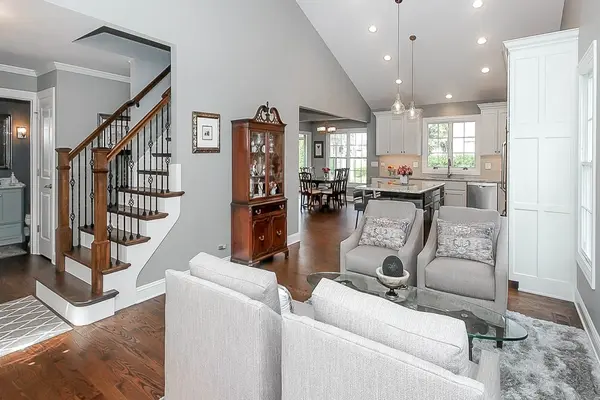 Open layouts require intentional HVAC planning. Without proper system design, they may experience:
- Temperature stratification (hot upstairs, cool downstairs)
- Higher energy bills
- Longer heating cycles
Solutions include:
- Zoned heating systems
- Radiant floor heating
- Ceiling fans with winter reverse settings
- High-efficiency heat pumps
- Smart thermostats with room sensors
Radiant floor heating is particularly effective in open concept homes in cold climates. Because heat originates at floor level, it offsets natural upward heat movement and creates even warmth throughout the space. Traditional layouts benefit from simpler HVAC strategies. Smaller rooms allow for controlled airflow, and closing doors reduces unnecessary heat transfer.
Ceiling Height and Volume Considerations
Open concept homes often feature vaulted or cathedral ceilings. While visually appealing, increased air volume requires more energy to heat.
In cold climates, higher ceilings mean:
- More cubic footage to warm
- Increased heat rise and stratification
- Potentially higher energy consumption
If choosing an open layout with high ceilings, additional insulation and air sealing become critical. Builders often recommend:
- High R-value roof insulation
- Spray foam in key areas
- Heat recovery ventilators
- Enhanced vapor barriers
Traditional layouts typically use standard 8–9-foot ceilings, reducing overall heated air volume and improving efficiency by default.
Insulation and Building Envelope Performance
Regardless of layout choice, insulation quality ultimately determines performance. In Alaska and similar regions, homes require:
- Triple-pane windows
- Continuous exterior insulation
- Airtight building envelopes
- Advanced vapor control
Open layouts are more sensitive to envelope weaknesses because larger shared spaces amplify heat loss. If the building envelope is compromised, energy inefficiency becomes more noticeable. Traditional layouts can mask minor inefficiencies because heat is compartmentalized.
Air Infiltration and Arctic Entryways
Cold climate homes frequently incorporate mudrooms or Arctic entryways — enclosed vestibules that prevent cold air from entering directly into living spaces. Both open and traditional layouts benefit from these transitional spaces. However, in open floor plans, proper air separation at entry points is especially important. Without a buffer zone, cold air can spread quickly through the main living area. Well-designed entry systems significantly improve comfort and heating efficiency regardless of layout type.
Lifestyle During Long Winters
In northern regions, families spend substantial time indoors during the winter months. Layout decisions impact comfort beyond heating efficiency.
Open concept advantages during winter:
- Shared gathering space
- Better daylight distribution
- Increased social interaction
- Ideal for entertaining
Traditional layout advantages:
- Quiet, private areas
- Dedicated workspaces
- Reduced noise transfer
- Ability to retreat to separate rooms
For families with remote workers or school-age children, enclosed rooms may provide practical benefits during long indoor seasons.
Lighting and Psychological Comfort
Seasonal darkness plays a major role in cold climates. Open floor plans maximize natural light penetration. Fewer interior walls allow daylight from large windows to travel deeper into the home. Traditional layouts may require additional artificial lighting solutions, especially during short winter days. Psychologically, bright open spaces can feel uplifting during extended winter months. However, many homeowners also value cozy, enclosed rooms for warmth and relaxation.
Energy Costs Over Time
Energy efficiency is not solely determined by layout. It is determined by the combination of:
- HVAC system design
- Insulation quality
- Window performance
- Air sealing
- Ceiling height
- Building orientation
A well-engineered open concept home can perform as efficiently as a traditional layout if designed correctly. However, poor mechanical planning in an open home can result in higher heating bills. Traditional layouts naturally conserve heat but may lack the airflow benefits of centralized heating systems.
Sound, Privacy, and Acoustics
Extended winter occupancy increases awareness of sound transfer. Open layouts amplify:
- Kitchen noise
- Television sound
- Conversations
- HVAC cycling
Traditional layouts provide acoustic separation. Bedrooms and offices remain quieter, which can improve long-term livability.
Acoustic insulation can mitigate sound issues in open homes, but this adds cost.
Resale Value in Cold Climate Markets
Modern buyers often prefer open-concept homes. However, cold-climate buyers also prioritize energy efficiency and heating performance.
Resale value is more influenced by build quality than by layout category. Homes that demonstrate:
- Low energy bills
- Smart heating systems
- High insulation ratings
- Comfortable airflow
will perform strongly in resale markets.
Hybrid layouts — offering partial separation with optional sliding or pocket doors — are becoming increasingly popular because they provide flexibility.
Hybrid and Semi-Open Designs
Many modern cold-climate homes combine the best aspects of both layouts.
Features include:
- Partial walls between the kitchen and the living areas
- Flexible door systems
- Zoned heating
- Defined private wings
- Controlled ceiling height variations
These designs maintain openness while preserving energy control and privacy.
Cost Differences Between Layout Types
Construction costs may vary slightly depending on layout complexity.
Open concept homes often require:
- Larger structural beams
- Engineered supports
- Advanced HVAC zoning
- Enhanced insulation
Traditional layouts may require:
- Additional framing
- More drywall and doors
- Extra trim and finishing materials
The cost difference is typically moderate compared to overall build expenses. Long-term operating costs depend more on insulation and mechanical systems than wall placement.
What Truly Works Best?
When comparing open concept floor plans vs traditional layouts in cold climates, the best choice depends on:
- Heating system design
- Insulation performance
- Ceiling height strategy
- Family lifestyle
- Budget priorities
- Acoustic needs
If maximizing social space and natural light is a priority, open concept layouts can perform extremely well when engineered properly.If energy containment, privacy, and acoustic control are higher priorities, traditional layouts may feel more comfortable and practical.
Final Thoughts
In cold climates like Alaska, layout decisions must balance aesthetics with performance. Neither open concept nor traditional layouts are inherently superior. What matters most is thoughtful design, proper insulation, intelligent HVAC planning, and understanding how your family lives during long winter months. With expert planning, both styles can deliver warmth, comfort, efficiency, and long-term value. The key is aligning design with climate realities — not simply following trends.
