
For many future homeowners, the first step toward building a custom home isn’t choosing a floor plan or selecting finishes — it’s finding the right land. If you’re considering buying land to build in Alaska, the property you select will significantly influence construction costs, timelines, design possibilities, and long-term value.
Alaska offers incredible opportunities for homebuilding. Wide-open landscapes, scenic views, and rural privacy attract buyers from across the country. However, purchasing land for construction in Alaska requires careful evaluation. Soil conditions, access roads, utilities, and environmental factors can all affect whether a property is truly suitable for building.
Before committing to a parcel, it’s important to understand what to look for and what questions to ask. This guide explains the most important considerations when buying land to build in Alaska, helping you make a confident and informed decision.
Why Land Selection Matters When Building a Home in Alaska
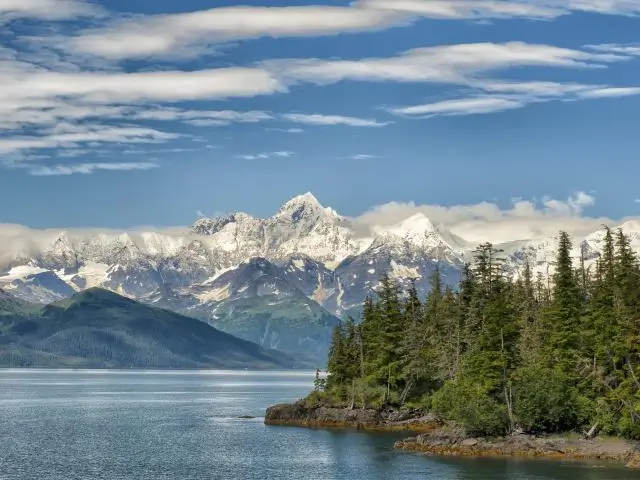 Choosing land in Alaska is very different from buying a residential lot in a fully developed subdivision. Many parcels are rural or partially developed, meaning essential infrastructure may not yet exist.
The characteristics of your land will influence:
- Construction feasibility
- Foundation design
- Utility installation costs
- Road access and transportation
- Drainage and soil stability
- Long-term property value
A parcel that seems affordable at first glance may require significant preparation before construction can begin. Taking time to evaluate land carefully can prevent unexpected expenses later.
Location and Accessibility
One of the first things to consider when buying land to build in Alaska is location. Alaska is a vast state, and property accessibility varies greatly depending on where the land is located.
Proximity to Major Cities
Many people choose areas near larger communities such as:
- Anchorage
- Wasilla
- Palmer
- Fairbanks
These locations provide easier access to schools, healthcare, shopping, and employment opportunities. They also tend to have better infrastructure, which can simplify the building process.
Road Access
Before purchasing land, verify whether the property has legal road access. Some rural parcels require easements or shared access roads.
Poor road conditions can affect:
- Construction equipment delivery
- Winter accessibility
- Emergency services
- Property resale value
In Alaska’s winter climate, reliable road access becomes especially important.
Soil Conditions and Land Stability
Soil quality plays a major role in determining whether a parcel is suitable for construction.
Certain soil types require specialized foundation designs or additional engineering work. Before purchasing land, buyers should investigate the soil composition and stability.
Permafrost Considerations
In some regions of Alaska, permafrost may be present beneath the surface. Permafrost can shift as temperatures change, potentially affecting foundations.
Professional site evaluation can determine whether special construction methods are needed.
Drainage and Moisture
Good drainage is essential for long-term structural stability. Land that retains water or experiences seasonal flooding may require grading or drainage systems. Evaluating the slope and elevation of a property helps identify potential drainage issues.
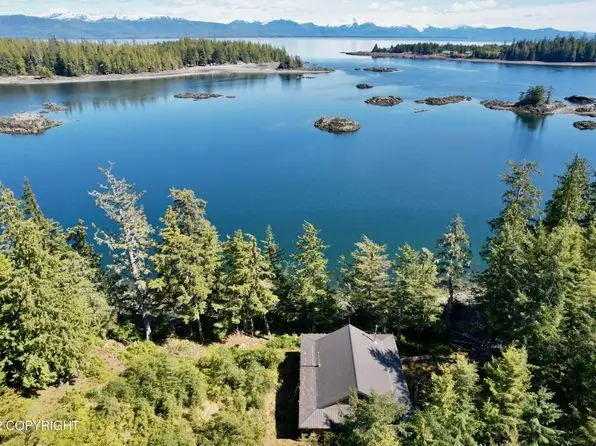
Utility Availability
Utility access is one of the biggest factors affecting the cost of building a home in Alaska.
Some parcels may already have access to basic utilities, while others require independent systems.
Electricity
Many properties near established communities have access to electrical service. In more remote locations, extending electrical lines can add significant cost.
Some homeowners choose alternative power sources such as solar systems when building in rural areas.
Water Supply
In developed areas, municipal water systems may be available. However, many rural properties rely on private wells.
Well drilling costs can vary depending on soil conditions and water depth.
Septic Systems
Properties without municipal sewer connections require septic systems. Local regulations typically require soil testing to ensure the land can support a septic installation.
Septic design and installation should always be planned early in the building process.
Zoning and Land Use Regulations
Before purchasing land, buyers should confirm that the property is zoned for residential construction.
Zoning regulations determine:
- What type of structures can be built
- Minimum lot sizes
- Setback requirements
- Permitted land uses
In some areas, additional permits may be required for driveway access, environmental protection, or utility installations.
Understanding local regulations helps avoid delays during the construction approval process.
Topography and Landscape
The physical shape and features of a property can affect both design and construction costs.
Sloped Land
Hillside properties may offer stunning views but often require specialized foundation systems or retaining walls.
These factors can increase construction costs but may also enhance the property’s overall appeal.
Flat Land
Flat parcels are typically easier and less expensive to develop. However, drainage must still be evaluated carefully.
Vegetation and Clearing
Heavily wooded properties may require tree clearing before construction begins. Clearing costs vary depending on the density and size of vegetation.
Climate and Environmental Exposure
Alaska’s climate presents unique challenges for homebuilders.
When evaluating land, consider how environmental factors might affect construction and long-term living conditions.
Wind Exposure
Properties in open areas or elevated locations may experience stronger winds. Builders may need to incorporate structural reinforcements or specific roof designs.
Snow Accumulation
Snow load is a major design consideration in Alaska. The orientation of a home and the surrounding landscape can influence snow accumulation patterns.
Sunlight and Orientation
In northern regions, maximizing sunlight can improve both energy efficiency and indoor comfort. Homes designed to capture natural light often feel warmer and more inviting during long winters.
Property Boundaries and Surveys
Before completing a land purchase, buyers should obtain a professional property survey.
A survey confirms:
- Exact boundary lines
- Easements or shared access agreements
- Encroachments from neighboring properties
Understanding property boundaries ensures there are no surprises when construction begins.
Future Development in the Area
Another important consideration when buying land to build in Alaska is future development around the property.
Even remote areas can change over time as communities grow.
Consider factors such as:
- Planned infrastructure improvements
- Nearby housing developments
- Commercial expansion
- School construction
Future growth can increase property value, but it may also affect privacy and views.
Budget Considerations Beyond Land Price
The purchase price of a parcel is only part of the total cost of building a home.
Additional expenses may include:
- Land clearing
- Driveway installation
- Utility connections
- Soil testing
- Septic installation
- Well drilling
- Foundation preparation
These factors should be included when evaluating whether a property truly fits your budget.
Working With Professionals
Buying land for construction is much easier when working with experienced professionals.
Local experts can help evaluate whether a property is suitable for building and identify potential issues early.
Professionals who may assist include:
- Real estate agents familiar with land sales
- Home builders experienced in local construction conditions
- Engineers or soil specialists
- Surveyors and inspectors
Their expertise can help prevent costly mistakes and ensure the land supports your building goals.
When to Involve a Home Builder
Many buyers begin searching for land before speaking with a builder, but consulting a builder early in the process can be extremely helpful.
Experienced builders can:
- Evaluate whether land is buildable
- Estimate site preparation costs
- Recommend foundation designs
- Identify potential challenges
This guidance can save both time and money during the planning stage.
Buying Land to Build in Alaska
Finding the right parcel is one of the most important steps when planning a custom home. When buying land to build in Alaska, it’s essential to look beyond the price and carefully evaluate accessibility, utilities, soil conditions, and environmental factors.
The ideal property supports your design goals while minimizing unexpected construction challenges. With thoughtful planning, the right land can become the foundation for a comfortable, efficient, and beautiful home.
Taking time to research and consult local experts ensures that your building journey begins on solid ground — literally and financially.
