
Designing a custom home is one of the most exciting parts of building a new house — especially in Alaska, where lifestyle, climate, and unique living conditions shape every design choice. From mudroom entryways to oversized storage for outdoor gear, an Alaska home should reflect not just your aesthetic taste but how you live, play, and thrive in a northern environment.
In this guide, we’ll explore the essential custom home design features, functional layouts, and planning strategies that matter most to homeowners building in Alaska. Whether you’re a first-time buyer or upgrading to a forever home, these insights will help you design a space that feels right for your needs and your environment — without compromising comfort or performance.
Why Alaska Custom Home Design Is Different
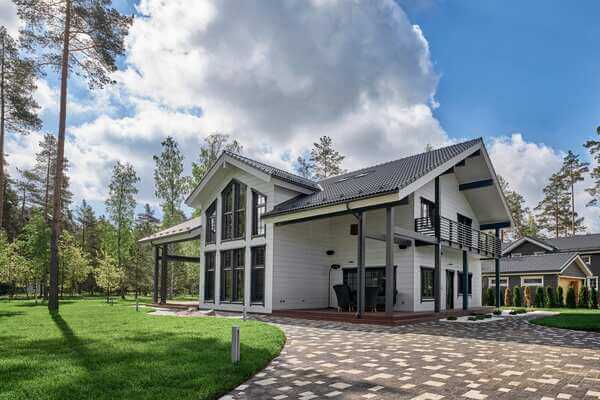 “Custom home design” is a broad term, but in Alaska it goes beyond paint samples and kitchen islands. It means thinking about daily routines, seasonal living patterns, and multi-use spaces that adapt to long winters, outdoor hobbies, storage needs, and family circulation.
Unlike many homes in the Lower 48, Alaska custom homes often prioritize:
- Functional zones for gear and mud
- Durable materials that survive heavy use
- Flexible spaces for remote work and hobbies
- Most-used-first layouts that reduce unnecessary travel through the home
These aren’t trends — they’re necessities rooted in how people actually live in Alaska.
Custom Home Layouts That Work for Alaska Lifestyles
When people search for “custom home layout ideas” or “functional home design,” they’re usually looking for inspiration that balances flow, comfort, and everyday usefulness. Here are the most effective Alaska-focused layout strategies:
1. Efficient Entryways & Mudrooms
In Alaska, a proper entryway or mudroom isn’t a luxury — it’s essential. Your design should anticipate snow gear, boots, dog leashes, winter coats, and dry storage.
Key features in great mudroom design:
- Built-in bench seating for putting on boots
- Dedicated cubbies and hooks for coats, hats, gloves, and scarves
- Boot dryers or ventilated storage for wet gear
- Easy access to laundry and utility areas
A well-planned mudroom improves daily life and helps keep your living areas clean and organized.
2. Open Concept Living That Still Feels Cozy
Alaska homes often balance an open floor plan with cozy zones. Open concepts are great for social connection, but thoughtful placement of gathering spaces, fireplaces, and sightlines can make large rooms feel intimate — perfect for evenings with family or hosting guests.
When designing open living spaces:
- Anchor the area with a central hearth or fireplace
- Use area rugs and lighting to define sub-zones
- Orient windows to showcase scenic views while minimizing heat loss
This approach supports both everyday living and entertaining.
3. Kitchen Design for Everyday Use and Entertaining
The kitchen is the heart of many homes, and in Alaska, it often serves multiple purposes — from preparing hearty meals for a big family to hosting friends after outdoor adventures.
Key kitchen design priorities:
- Plenty of counter space for meal prep
- Durable surfaces that resist wear
- Thoughtful storage for large-format cookware
- A layout that supports multiple cooks
Designing with both utility and aesthetics in mind helps your kitchen become a space you love rather than tolerate.
Planning for Storage: The Alaska Advantage
One of the most common searches from prospective homeowners is “home storage ideas” — and Alaska living gives this topic special importance. With outdoor equipment for hiking, skiing, boating, hunting, or fishing, storage is not an afterthought — it’s a design priority.
1. Over-Sized Storage Areas
Think beyond closets:
- Floor-to-ceiling shelving in pantry or garage
- Wall space designed for gear storage
- Hidden bins or pull-out drawers under stairs
These solutions help keep your home uncluttered while making gear easy to access.
2. Garage and Workshop Zoning
Your garage isn’t just for cars — it’s a functional extension of your life.
Smart garage design features:
- Racks and overhead storage for kayaks, skis, bikes
- Mudroom access directly into the garage
- Workbench area for tools and repairs
- Durable flooring options that handle snow and ice
This kind of planning makes your garage function like a utility room with purpose.
3. Seasonal Storage Planning
Alaska’s extreme seasons mean gear rotates throughout the year.
Plan for:
- Space for winter ski and snowmobile storage
- Shelving for summer hiking and fishing gear
- Climate-appropriate storage to preserve expensive equipment
A custom home should have a “gear home” built into its design — not retrofitted later.
Flexible Rooms for Changing Needs
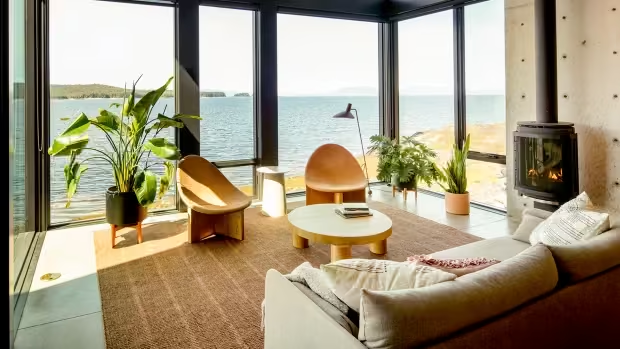 Alaska families often use rooms for more than one purpose — and custom design should support that.
Home Offices
Remote work is mainstream. Integrating a well-designed home office early helps avoid the pitfalls of retrofitting later.
Home office essentials:
- Natural light and outdoor views
- Quiet location — separated from main living noise
- Storage built into walls to reduce clutter
- Multiple outlet placements and connectivity planning
Guest Rooms or Second-Use Spaces
Many Alaska homeowners want rooms that double as:
- Guest bedrooms
- Hobby studios
- Playrooms
- Fitness spaces
Use flexible layouts and custom cabinetry that allow transformation without sacrificing design.
Natural Light and Views: Designing With the Landscape
Alaska’s landscapes are dramatic — and your home should reflect that. Most homeowners search for “custom home with big windows” or “design for views.”
Design with Purpose
- Maximize south-facing windows for daylight and solar gain
- Frame scenic views with large glazing clusters
- Use window placement strategically to balance light and energy control
But planning for views shouldn’t overshadow thermal comfort or privacy — so work with your builder to strike the right balance.
Circulation and Daily Routines
A beautiful home is only as good as how it feels to live in every day.
Great custom home layout principles include:
- Logical pathways between kitchen, dining, and outdoor spaces
- Easy access from car to mudroom to kitchen
- Clear sightlines for everyday flow
This is where functional planning meets lifestyle design — and where thoughtful choices make everyday living more seamless.
Durable, Livable Finishes for Alaska Families
While this article focuses on layout and planning, it’s worth noting that material selection — especially flooring, cabinetry, and hardware — plays a huge role in longevity.
Consider finishes that:
- Can handle high traffic
- Are easy to clean
- Stand up to moisture fluctuations
- Coordinate with overall home design
Durability doesn’t mean boring — it means smart design that looks great and functions well for years.
Integrating Outdoor Living Into Everyday Design
Alaska’s outdoor lifestyle is part of its culture — whether it’s summer hikes or winter sports. Truly great custom homes treat outdoor spaces as extensions of interior living.
Outdoor design ideas that work:
- Covered porches and decks
- Outdoor gear rinse stations
- Patio connections from kitchen or living area
- Views integrated into main gathering spaces
These features are highly searched by “Alaska home design inspiration” seekers and help your home connect with its environment.
Working With a Custom Home Designer in Alaska
Designing a custom home that suits your lifestyle requires collaboration with professionals who understand:
- Alaska climate challenges
- Daily flow needs of families
- How to balance aesthetics with function
- How to plan for growth and change over time
A skilled custom home designer becomes your partner — not just a plan drawer. They help translate your lifestyle into effective floor plans, storage solutions, and livable spaces.
Common Mistakes in Custom Home Planning — and How to Avoid Them
Even experienced homeowners make design mistakes. Here are the top pitfalls and how to avoid them:
- Underplanning storage:
Every Alaska home needs more storage than you think — plan extra. - Ignoring circulation:
Poor traffic flow leads to frustration. Use real-life walk-throughs with your designer. - Forgetting seasonal needs:
Design for winter and summer gear, not just one season. - Treating rooms as single-use:
Flexible spaces increase long-term home value.
Avoiding these mistakes improves comfort and resale value while making daily life genuinely better.
Final Thoughts: Custom Home Planning That Enhances Life
Designing a custom home for Alaska isn’t about following trends or copying magazine pictures. It’s about understanding how you live, what you value, and how your spaces support connection, comfort, and functionality.
A custom home should:
✅ Fit your daily routines
✅ Support your hobbies and lifestyle
✅ Adapt as your life changes
✅ Celebrate Alaska’s natural beauty
With thoughtful planning — and a trusted Alaska builder — your custom home can be both beautiful and purpose-built for the way you live.
FAQs
What is functional home design?
Functional home design prioritizes how spaces are used day-to-day, including flow, storage, and adaptability to lifestyle needs.
How do you plan storage in a custom home?
Start with an inventory of gear and plan dedicated areas (mudrooms, garages, closets) to keep items organized and accessible.
What layout works best for Alaskan homes?
Layouts that centralize living spaces, maximize views and natural light, and provide logical pathways between key zones offer the best balance of comfort and function.
How important are mudrooms in Alaska homes?
Extremely — they protect interior spaces from outdoor elements and provide organized transition zones for seasonal gear.
