
Living in Alaska offers a breathtaking lifestyle surrounded by untouched nature, but it also comes with one of the harshest climates in the United States. Long, cold winters and limited daylight mean that keeping homes warm and energy-efficient is both a necessity and a challenge. In regions where temperatures can drop below -30°F, energy efficiency is not just about comfort—it’s about survival and long-term affordability. For homeowners and builders, understanding the best heating and insulation systems for Alaska homes is crucial to achieving a balance between warmth, sustainability, and cost savings.
In this in-depth guide, we’ll explore how energy-efficient heating and insulation solutions can drastically improve comfort, reduce bills, and deliver excellent ROI for homes in Alaska’s cold climate.
Why Energy Efficiency Matters So Much in Alaska
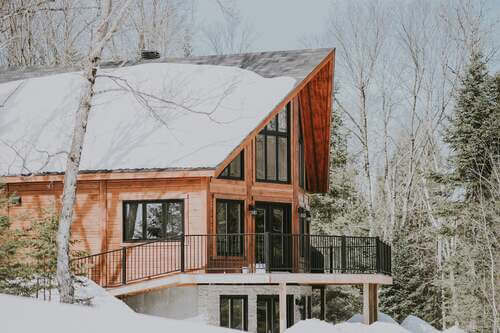 Alaska’s climate is unique. It demands housing solutions that can withstand extreme cold, heavy snow loads, and prolonged periods of darkness. Energy consumption for heating represents one of the largest household expenses for most Alaskan families, often accounting for over half of total energy use. Without proper insulation and efficient heating systems, a significant portion of that heat—and money—literally escapes through walls, ceilings, and poorly sealed windows.
Energy efficiency in Alaska homes provides several important benefits beyond cost reduction. Proper insulation helps maintain consistent indoor temperatures, prevents moisture buildup, and minimizes strain on heating equipment. It also reduces the environmental impact of fuel consumption, contributing to cleaner air and more sustainable living across the state. As building codes in Alaska continue to evolve toward higher performance standards, homeowners who invest in efficiency today are better positioned for the future.
The Fundamentals of Heat Retention in Cold Climates
Before diving into specific systems and technologies, it’s important to understand how heat moves through a home. Heat naturally flows from warm areas to cold ones, escaping through walls, ceilings, windows, and floors if they are not properly insulated. This process, known as heat loss, is intensified by Alaska’s subarctic climate and can cause a home’s heating system to work excessively to maintain a comfortable indoor temperature.
To counteract this, energy-efficient homes in Alaska rely on a combination of superior insulation, air sealing, and efficient heating distribution. Each layer of protection—whether it’s the insulation in your attic, the sealing around windows, or the thermal break in your foundation—contributes to creating a “tight envelope” that traps warmth inside while minimizing drafts and energy waste. The tighter the home’s envelope, the less energy is required to keep it warm, and the greater the savings over time.
Best Insulation Systems for Alaska Homes
Insulation is the foundation of every energy-efficient home. It serves as the barrier that keeps indoor warmth from escaping into the frozen outdoors. In Alaska, where temperature differences between inside and outside can reach 80 degrees or more, the quality and type of insulation make a massive difference.
1. Spray Foam Insulation
Spray foam insulation has become one of the most popular choices for Alaskan homes due to its superior air-sealing capabilities and high R-value per inch. It expands upon application, filling gaps, cracks, and irregular spaces that traditional materials might miss. Closed-cell spray foam, in particular, provides both thermal insulation and moisture resistance—an essential combination in areas prone to condensation and frost. It can be used in attics, walls, and even under floors for homes built on raised foundations.
2. Fiberglass and Mineral Wool
Fiberglass batts and mineral wool remain reliable and affordable options, especially when installed properly with an air barrier. Mineral wool, often made from natural rock or slag, offers excellent fire resistance and soundproofing, along with moisture resistance superior to traditional fiberglass. These materials are widely available and can be combined with vapor barriers and sealing techniques to enhance performance.
3. Rigid Foam Boards
Rigid foam insulation is ideal for foundation walls, roofs, and exterior sheathing. Extruded or expanded polystyrene boards provide a continuous thermal layer that minimizes heat loss through framing elements, which are common weak points in standard construction. This type of insulation works particularly well in remote areas of Alaska, where durability and low maintenance are key considerations.
4. Blown-In Cellulose
Blown-in cellulose insulation is another effective option for retrofitting older homes or filling irregular spaces. Made primarily from recycled paper treated for fire resistance, cellulose provides good R-value and is excellent for topping up attic insulation. When installed densely, it also helps reduce air leakage, which contributes to improved energy efficiency.
For the most efficient results, a combination of these materials—applied strategically—can help create a continuous thermal barrier throughout the home, protecting against Alaska’s freezing winters and minimizing energy waste.
The Importance of Air Sealing and Vapor Control
Even the best insulation can’t perform effectively without proper air sealing. Tiny gaps and cracks in a building envelope allow warm air to escape and cold air to infiltrate, undermining insulation performance and causing condensation problems. In Alaska, where humidity differences are high, uncontrolled air movement can lead to frost buildup inside walls and roofs, potentially causing long-term structural damage.
Effective air sealing involves caulking, weatherstripping, and the use of sealants or membranes around windows, doors, and penetrations. Vapor barriers also play a vital role in cold climates by preventing indoor moisture from migrating into insulated spaces, where it can condense and freeze. Together, air sealing and vapor control ensure that your insulation retains its full effectiveness, keeping your home warm, dry, and efficient.
Heating Systems for Energy-Efficient Homes in Alaska
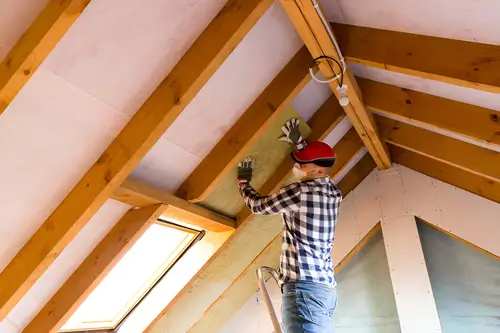 Once your home is properly insulated and sealed, choosing the right heating system becomes the next critical step. The goal is to achieve maximum comfort using the least amount of energy possible. Several modern heating systems are well-suited for Alaska’s cold conditions, each offering unique advantages depending on the location, energy source, and type of home.
1. Hydronic Radiant Heating
Hydronic radiant heating is one of the most efficient and comfortable systems for Alaska homes. It circulates warm water through tubing embedded in floors or walls, providing even, consistent heat. Unlike forced-air systems, radiant heating eliminates drafts and delivers warmth where it’s needed most—at floor level. It’s especially effective in well-insulated homes, where retained heat continues to radiate long after the system cycles off.
2. Air-Source and Ground-Source Heat Pumps
Modern heat pumps have evolved significantly and can now operate efficiently even in sub-zero temperatures. Air-source heat pumps designed for cold climates can extract heat from outdoor air and transfer it indoors with impressive efficiency. Ground-source (geothermal) heat pumps go a step further by tapping into the stable temperatures below the earth’s surface, offering year-round performance and substantial long-term savings. Although the initial cost can be higher, their energy efficiency and longevity provide excellent ROI over time.
3. High-Efficiency Furnaces
For many Alaskan homeowners, a high-efficiency furnace remains a practical choice, particularly in areas with easy access to natural gas or fuel oil. Modern furnaces equipped with condensing technology can achieve efficiencies exceeding 95%, meaning almost all of the fuel’s energy is converted into usable heat. Paired with a well-sealed duct system and programmable thermostat, these systems can significantly reduce energy bills.
4. Wood and Pellet Heating
In rural areas where access to utilities is limited, wood and pellet stoves continue to play an important role. When used with efficient combustion designs and modern venting systems, these heating options can provide reliable, renewable heat. Many homeowners use them as supplementary sources alongside other systems to reduce dependency on fuel or electricity.
Ventilation and Indoor Air Quality
A tightly sealed and insulated home requires balanced ventilation to maintain healthy indoor air quality. Without it, moisture and pollutants can accumulate, leading to mold growth or poor air circulation. Energy Recovery Ventilators (ERVs) or Heat Recovery Ventilators (HRVs) are ideal for Alaska homes because they exchange stale indoor air for fresh outdoor air while transferring most of the heat from outgoing air to incoming air. This process minimizes heat loss while ensuring the interior stays fresh, comfortable, and safe.
Calculating ROI for Energy-Efficient Upgrades
Energy-efficient upgrades in Alaska typically pay for themselves faster than in milder climates due to the high cost of heating energy. The return on investment (ROI) depends on the combination of insulation improvements, heating system upgrades, and local fuel prices. For example, upgrading from an older furnace to a modern high-efficiency model can reduce fuel use by 20–30%, while comprehensive insulation improvements can cut overall heating costs by up to 40%.
Many homeowners also see indirect benefits. A well-insulated home with an efficient heating system experiences fewer repairs, longer equipment life, and higher resale value. The improved comfort—warmer floors, consistent indoor temperatures, and reduced drafts—adds to the quality of life, which is difficult to quantify but always appreciated during Alaska’s long winters.
Practical Tips for Building or Retrofitting an Energy-Efficient Home in Alaska
- Start with a home energy audit. Identify weak points in your insulation, air sealing, and heating systems before investing in upgrades.
- Use proper R-values for your region. Alaska’s building zones vary, so choose insulation thicknesses appropriate for your local climate.
- Don’t neglect the foundation. Heat loss through uninsulated slabs and crawl spaces is significant in Alaska’s frozen ground conditions.
- Seal ducts and penetrations. Even small air leaks can waste large amounts of energy over time.
- Invest in programmable controls. Smart thermostats and zone systems help optimize heat use and reduce waste.
- Plan for ventilation. Balanced systems like HRVs or ERVs are essential in airtight homes.
- Prioritize maintenance. Clean filters, inspect seals, and service heating equipment annually to maintain performance.
The Future of Energy-Efficient Homes in Alaska
As technology advances, the potential for ultra-efficient, low-emission homes in Alaska continues to grow. The integration of smart sensors, automation, and predictive climate control systems allows homeowners to fine-tune their energy usage with remarkable precision. Combined with renewable power sources such as solar, wind, and geothermal, Alaska’s future homes are poised to become nearly self-sufficient—maintaining comfort in extreme weather with minimal energy input.
Builders are also exploring innovative materials like structural insulated panels (SIPs) and phase-change insulation that store and release heat dynamically. These emerging technologies could redefine the meaning of “energy-efficient homes in Alaska,” turning what was once a challenge into a model for sustainable living in extreme environments.
Final Thoughts
Building or retrofitting a home in Alaska requires more than just architectural skill—it requires a deep understanding of how to retain warmth, manage energy, and create comfort despite one of the most demanding climates on Earth. Energy-efficient heating and insulation systems are not optional luxuries; they are long-term investments that pay dividends in comfort, cost savings, and sustainability.
By combining superior insulation, advanced heating systems, and proper air sealing, Alaska homeowners can achieve remarkable efficiency gains. Whether constructing a new home in Anchorage or upgrading a cabin in the interior, every improvement in energy performance contributes to a better, warmer, and more sustainable future for Alaskan living.
