
Building a home in Alaska is a dream for many, but before any ground is broken, it’s crucial to understand the permits, zoning laws, and building regulations that govern construction — especially in remote or rural areas. Alaska’s unique geography, weather conditions, and local governance make its building regulations very different from those in the rest of the country. For anyone planning to build an off-grid cabin, a remote homestead, or a rural family home, knowledge of these regulations is the foundation of a smooth, legal, and safe construction project.
Why Permits and Zoning Matter So Much in Alaska
 Protecting Safety and Investment
Permits and zoning rules ensure buildings are structurally sound, environmentally responsible, and safe for occupants. They also protect property value, since compliance is often required for insurance, resale, and financing.
Accounting for Alaska’s Diverse Landscapes
Unlike many other states, Alaska’s local authorities manage an enormous range of terrain — from coastal wetlands to Arctic tundra. These environmental differences translate into distinct building codes, engineering requirements, and permitting procedures.
Avoiding Costly Mistakes
Failing to secure the proper permits can result in fines, stop-work orders, or even forced demolition. For remote builds, these setbacks can be even more expensive due to limited transportation and seasonal construction windows.
Understanding the Permitting Landscape in Alaska
Local Authority Variations
Alaska does not have a single statewide building code that applies everywhere. Instead, boroughs and municipalities adopt their own codes or follow international standards with amendments for the cold climate. Anchorage, Fairbanks, and the Matanuska-Susitna Borough have well-established permitting systems, while remote areas may have minimal oversight but still require state or federal approvals for certain activities.
Common Permit Types for Alaska Homes
- Building Permits: Required for new construction, additions, and major renovations. Cover structural integrity, safety, and compliance with adopted codes.
- Land Use Permits: Necessary for grading, clearing, or altering land in certain designated areas.
- Septic System and Water Permits: Required for on-site wastewater disposal or new wells in many rural areas.
- Electrical and Mechanical Permits: Ensure safe installation of wiring, heating systems, and plumbing.
- Floodplain or Coastal Zone Permits: May apply if building near rivers, wetlands, or coastal areas.
- Driveway or Access Permits: In some boroughs, permission is needed to connect private roads or driveways to public roads.
Steps in the Permitting Process
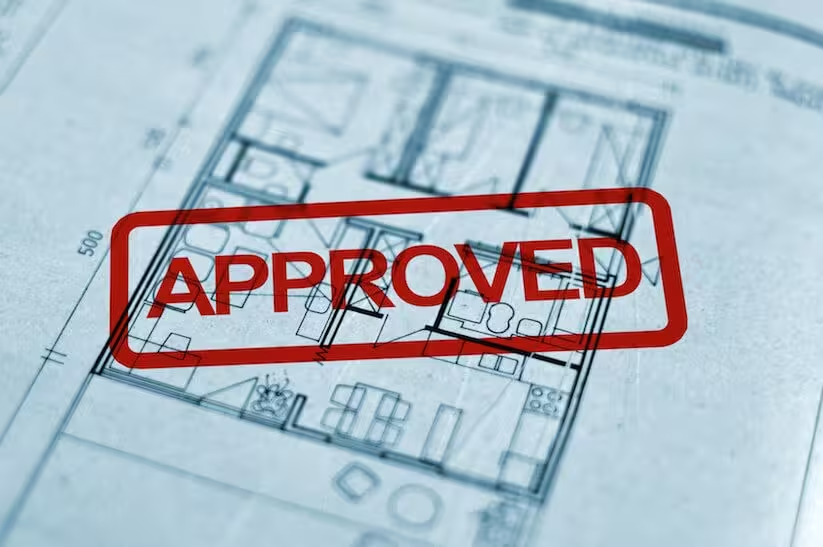
- Site Evaluation: Determine zoning classification, soil stability, flood risk, and access to utilities.
- Prepare Plans: Submit detailed architectural and engineering plans that meet local codes and snow load requirements.
- Submit Application: Pay applicable fees and include site maps, surveys, and engineering reports.
- Review Period: Authorities check compliance with zoning, environmental regulations, and safety codes.
- Inspections: At various stages of construction — foundation, framing, insulation, and final occupancy — inspectors ensure work meets standards.
Zoning Rules in Remote & Rural Alaska
Zoning Classifications
Zoning determines how land can be used — residential, agricultural, commercial, or mixed use. In rural Alaska, zoning may be less restrictive, but it’s still essential to verify land use designations before purchasing or building.
Setbacks and Lot Size Requirements
Even in remote areas, there are often minimum lot sizes, setback distances from property lines, and height restrictions. These rules help manage fire risk, maintain open space, and preserve environmental quality.
Access to Roads and Easements
Zoning also influences how you access your property. In many parts of Alaska, easements for access roads, utility corridors, or pipelines must be respected. Building without proper access can result in landlocked parcels with no legal way to bring in materials or emergency services.
Special Districts and Overlays
Some rural areas fall under special management districts related to wildlife habitat, mining, or cultural heritage. In these zones, additional restrictions on building footprint, construction timing, or material usage may apply.
Building Regulations Unique to Alaska
Snow Load Requirements
One of the most significant differences between building codes in Alaska and other states is the snow load requirement. Roofs, decks, and support structures must be engineered to withstand heavy snow accumulation.
Permafrost and Soil Considerations
In the Interior and Arctic regions, permafrost and unstable soils present challenges. Builders often need special foundation designs, such as adjustable piers or elevated structures, to prevent frost heave and settlement.
Wind and Seismic Standards
Alaska experiences strong winds and is seismically active. Local building codes incorporate requirements for lateral bracing, anchoring, and seismic load resistance to ensure structures remain safe during earthquakes and storms.
Energy Efficiency Codes
Cold climates require high insulation levels, air sealing, and energy-efficient windows. Some jurisdictions enforce strict energy codes to reduce heating demand and ensure homes are livable in subzero temperatures.
Navigating Permits for Off-Grid and Remote Homes
Water and Waste Systems
Off-grid homes often rely on wells, rainwater collection, or hauling systems for water, and septic tanks or composting systems for wastewater. Permits typically regulate these systems to protect groundwater and public health.
Power Generation and Fuel Storage
If you plan to install solar, wind, or diesel generators, additional permits may be necessary, especially for fuel storage tanks over certain capacities. Safety and environmental regulations govern tank placement and containment measures.
Airstrips and Boat Access
In extremely remote areas accessible only by air or water, constructing private airstrips, docks, or boat launches may trigger additional federal or state permits.
Wildlife and Environmental Protections
Remote Alaska is rich in wildlife and sensitive ecosystems. Building activities may be restricted during certain seasons to protect spawning fish or nesting birds. Clearing land or altering wetlands without approval can result in significant penalties.
Timeline and Seasonal Considerations
Short Construction Seasons
In much of Alaska, the practical building season lasts from late spring to early fall. Permitting delays can push projects into the next year. Applying early and submitting complete plans helps avoid seasonal bottlenecks.
Inspection Scheduling
Remote sites may require special arrangements for inspectors to visit. This can add time and cost to the project but is often unavoidable to maintain compliance.
Winter Preparations
If your build spans winter, temporary measures like heated enclosures or frost-protection blankets may be required. Planning for these contingencies in advance saves money and stress.
Tips for Smoother Permitting and Compliance
- Research Early: Before buying land, review zoning maps, access rights, and environmental restrictions.
- Plan for Extra Time: In rural areas, paperwork, inspections, and communication can take longer due to distance and limited staff.
- Work with Qualified Designers: Architects or engineers familiar with Alaska’s climate and codes can prevent costly mistakes.
- Document Everything: Keep copies of permits, inspections, and correspondence. This record will be valuable for insurance and resale.
- Engage with Local Authorities: Even in remote areas, local knowledge can help navigate unwritten rules and seasonal considerations.
- Budget for Logistics: Transporting materials and inspectors to remote sites adds cost. Include these in your project plan.
- Prioritize Energy Efficiency: Meeting or exceeding insulation and air-sealing requirements reduces heating load and makes regulatory approval easier.
Balancing Freedom and Responsibility in Rural Alaska
One of the appeals of rural Alaska is its sense of freedom — vast spaces, few neighbors, and more self-reliance. However, with that freedom comes responsibility. Permits and building regulations are designed not to limit creativity but to ensure safety, sustainability, and fairness in land use. Understanding and respecting these rules helps protect Alaska’s unique environment while allowing you to create a lasting, comfortable home.
Future Trends in Alaska’s Building Regulations
Increasing Focus on Sustainability
With rising energy costs and environmental awareness, expect more stringent energy codes and incentives for renewable energy systems.
Digital Permit Applications
Some boroughs are moving toward online permit applications and remote inspections. This could simplify the process for remote builders but may also introduce new documentation requirements.
Climate Change Adaptation
Melting permafrost, changing precipitation patterns, and more intense storms are prompting updates to building codes to address new risks. Staying ahead of these changes ensures your home remains safe and compliant for decades.
Conclusion
Building a home in remote or rural Alaska is both an adventure and a serious undertaking. Permits, zoning laws, and building regulations may seem like obstacles, but they are, in fact, vital tools to protect your investment, your safety, and the environment. By researching requirements early, preparing detailed plans, and respecting local rules, you can streamline the approval process and build a home that stands the test of time.
Whether you’re planning an off-grid cabin, a family retreat, or a full-time residence, understanding Alaska’s permitting and regulatory landscape is the first step toward success. With careful planning and compliance, you’ll be ready to break ground on your dream home — and do it the right way.
