
Building a home in Alaska comes with a different set of priorities than most places in the U.S. It’s not just about the floor plan, the view, or the finishes—it’s about making sure your property works year-round in real conditions. And if you’re building outside of city limits or in a more remote area, one of the biggest “must-plan” systems isn’t the kitchen or the heating… It’s your wastewater setup.
For many rural properties, a septic system in Alaska isn’t optional—it’s the default. But it’s also one of the most misunderstood parts of building a home. A septic system is not something you want to treat like a last-minute add-on, because your soil, lot layout, access, and even your home design can impact what’s possible and what it will cost to build correctly.
This guide breaks down what homeowners need to know before building on rural land: how septic systems work, what affects feasibility, what to consider during site planning, and how to avoid issues that lead to expensive corrections later. If you want a home that feels easy to live in—not a home that requires constant troubleshooting—your septic plan should be handled early and correctly.
Why Septic Planning Is a Big Deal in Alaska
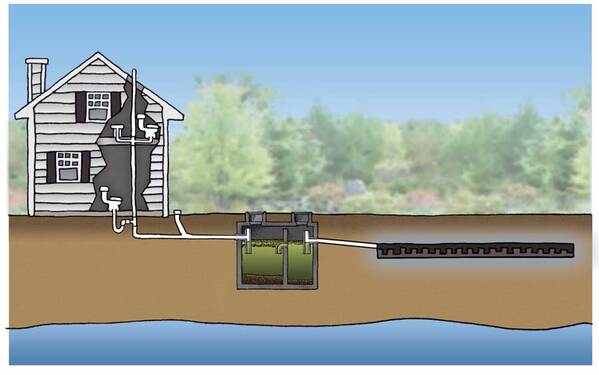 In many states, septic systems are relatively predictable. In Alaska, they can vary widely depending on the property location, ground conditions, and weather patterns. That’s why you’ll see huge differences between one build and another, even if the home size is similar.
Septic matters because it impacts:
- Where can you place your house on the lot
- Whether the lot is even buildable
- How much excavation and prep is needed
- Long-term reliability during freeze/thaw cycles
- Future resale confidence (buyers ask about septic condition more than you’d expect)
Most importantly, if septic is installed incorrectly, the “fix” can be disruptive, expensive, and stressful. Planning it properly is far easier than repairing it after construction.
How a Septic System Works (Simple Breakdown)
A septic system is a self-contained wastewater treatment setup used when there’s no access to municipal sewer.
Here’s the basic flow:
- Wastewater leaves your home through the main drain line.
- It enters the septic tank, where solids settle at the bottom and oils rise to the top.
- The remaining liquid (effluent) flows into a drainfield / leach field, where it filters into the soil and is naturally treated.
- The soil absorbs and cleans the effluent over time.
In other words, your septic system depends heavily on the soil doing its job. That’s why site conditions matter so much when building in Alaska.
Septic vs Sewer: How to Know What You’re Working With
Before you fall in love with rural land, confirm whether the property is connected to a sewer system. In many cases, rural lots won’t have sewer access, which means septic becomes part of your home’s required infrastructure.
If sewer is available nearby, it may still not be connected to the property—so you’ll want to verify:
- Is there an existing sewer line connection?
- Is it at the street, or do you need to extend it?
- Are there any connection fees?
- Are there timing restrictions for connecting?
If sewer isn’t available, then septic planning is non-negotiable.
Why Soil and Site Conditions Control Everything
The biggest factor in whether a septic system will work well is the soil’s ability to absorb and filter wastewater. On rural Alaska properties, soil conditions can vary dramatically even within the same area.
Common factors that affect septic viability include:
Soil Drainage
Some soils drain well; others hold water. Poor drainage can lead to slow absorption and system stress.
Water Table Level
If groundwater is too close to the surface, it can limit how deep a drainfield can be placed.
Lot Slope
A slope can be helpful or harmful depending on how it’s managed. Drainage patterns matter a lot.
Seasonal Freeze/Thaw
Alaska’s climate can create freeze risks and shifting ground conditions, especially when systems aren’t properly protected.
If you’re serious about building, don’t assume a septic system will automatically be easy. You want the lot evaluated early so you know what’s feasible.
The Biggest Mistake: Picking a House Plan Before the Septic Layout
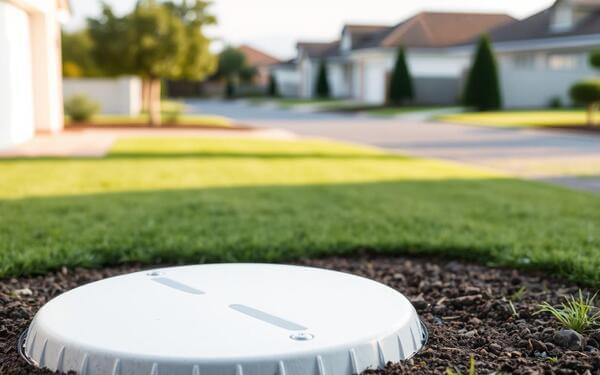 This happens all the time. Buyers choose a home design first, then try to fit septic in later. But septic needs space, placement strategy, and long-term access.
Your septic layout affects:
- House placement
- Driveway positioning
- Garage orientation
- Future additions or outbuildings
- Tree placement and landscaping
- Property drainage design
That’s why smart builders treat septic as part of the overall site plan—not a separate decision.
Ideal approach: plan septic and driveway access first, then position the home for the best layout, sunlight, and views.
Where Septic Systems Usually Go Wrong (And How to Avoid It)
Septic failure isn’t always dramatic. Sometimes it starts as “minor issues” that grow into expensive problems later. Here are the common causes:
1) Poor system sizing
A septic tank and drainfield must match the home’s expected usage. A home built for a family needs a different setup than a cabin used seasonally.
2) Bad placement
Septic components need correct spacing from wells, property lines, and the home itself. Placement should also support future maintenance access.
3) Improper drainage management
A septic system can be stressed if surface water flows toward it or pools near the drainfield.
4) Lack of long-term access
If the tank is placed where it’s hard to reach, servicing becomes harder and more costly.
5) Landscaping mistakes
Planting trees too close or driving heavy vehicles over the drainfield can cause damage.
Septic works best when it’s treated like a system you’ll maintain—not a buried object you forget exists.
Septic Tank Size: What Homeowners Should Understand
While exact sizing depends on design standards and local requirements, the main point is this:
Septic sizing is typically based on:
- number of bedrooms
- expected daily water use
- whether the home will be occupied full-time
- number of bathrooms and fixtures
Even if your home is “just two people,” a 4-bedroom home is still designed for higher potential usage—which affects sizing assumptions.
Pro tip: Always plan septic based on the home’s design capacity, not just your current lifestyle.
That protects you long-term and helps resale.
Drainfields in Alaska: Why They Need Extra Attention
The drainfield is the part of the system that requires the most careful planning, because it’s where wastewater gets treated naturally.
Drainfield performance depends on:
- soil absorption
- depth and layering
- drainage direction
- long-term moisture management
- proper installation
In Alaska’s climate, drainfields need to handle seasonal shifts. The goal is a system that stays stable, drains reliably, and doesn’t freeze or saturate under real-world conditions.
Access, Maintenance, and Winter Reality
A septic system isn’t something you “install and forget.” Proper maintenance keeps it healthy and prevents backups or long-term damage.
Homeowners should plan for:
- pump access (tank must be serviceable)
- clear marking of tank location
- winter access strategy if servicing is ever needed
- responsible water use habits
- regular maintenance schedule based on household size
One of the most overlooked details in Alaska builds is winter practicality. You want everything—from access routes to service points—to be manageable even when conditions aren’t perfect.
Septic and Well Together: The Spacing Matters
Many rural Alaska homes use both septic systems and private wells. If your property will have a well, you must plan septic placement carefully to protect water quality.
Your well placement affects:
- where septic can go
- how the lot is oriented
- how drainage should be handled
- where future expansions are possible
This is why site planning is so important. The lot needs to work as a complete system, not just as a blank piece of land.
Seasonal Use vs Full-Time Living: Your Septic Needs Might Change
Some Alaska homeowners build cabins, weekend homes, or seasonal properties. Septic planning should match how the home will truly be used.
For seasonal homes, septic considerations include:
- periods of low use
- winterization strategy if not occupied
- water usage spikes during holidays or visits
- maintenance timing
For full-time homes, the system should be designed for reliable daily use with long-term durability.
The key is to be honest about how you’ll live in the home—because septic is designed around real usage patterns.
What to Ask Before Buying Rural Land in Alaska
If you’re still in the land-buying phase, these questions can save you from choosing a lot that becomes a headache later.
Ask:
- Has the property ever had a septic system before?
- Is there an existing system or tank on site?
- Has the soil been tested for septic feasibility?
- Is there a clear area suitable for a drainfield?
- Are there drainage issues on the lot?
- Where would the well be placed (if needed)?
- Are there any limitations on building placement?
Even if the property looks perfect, septic feasibility should be confirmed early.
Practical Tips for a Smooth Septic Build Plan
Here’s what typically makes septic planning easier and more successful:
✅ Plan septic early in the build process
✅ Choose home placement based on site conditions, not only the view
✅ Keep service access in mind (you will need it later)
✅ Manage surface drainage so water doesn’t collect near the drainfield
✅ Avoid building driveways or parking over septic areas
✅ Think long-term: future additions, garage expansions, outbuildings
The best septic system is the one you barely think about because it simply works.
Signs of Septic Issues (What Owners Should Watch For Later)
If you already own a septic home or buy a property with an existing system, it helps to know the early warning signs of problems.
Watch for:
- slow drains throughout the home
- sewage odors inside or outside
- unusually green grass patches above the drainfield
- soggy ground near septic areas
- gurgling pipes
- backups in lower-level drains
Catching problems early is always easier than letting them build up.
Septic Is One of the Most Important “Invisible” Parts of Your Alaska Home
A septic system isn’t exciting, but it has a huge impact on your home’s comfort, value, and long-term stress level. In Alaska, septic success depends on smart planning, proper placement, and building for real conditions—not best-case scenarios.
If you’re building on rural land, don’t treat septic as paperwork. Treat it as a core part of your home’s foundation planning. When it’s done right, you’ll never have to think about it. When it’s ignored, it can become the one issue that overshadows everything else.
If you’re planning a new build and want a home that’s designed to perform beautifully in Alaska from day one, a strong septic plan is one of the smartest steps you can take early.
