
Building a home in Alaska requires careful attention to structural design, and one of the most important considerations is how the roof handles heavy snow. Alaska’s long winters and significant snowfall mean that every home must be engineered to safely support snow accumulation. Understanding snow load roof design in Alaska is essential for homeowners planning to build a house that remains safe, durable, and efficient throughout the harsh winter months.
From roof pitch and framing strength to insulation and ventilation, multiple factors influence how well a roof performs in cold climates. Making informed design decisions early in the building process can prevent costly structural issues and ensure your home withstands Alaska’s demanding weather conditions.
What Is Snow Load and Why It Matters
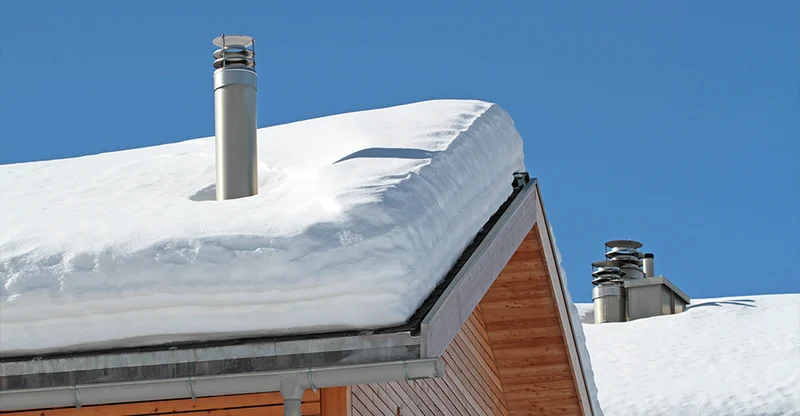
Snow load refers to the weight of accumulated snow and ice on a roof. In regions like Alaska, snow accumulation can become extremely heavy during winter storms, placing significant stress on the roof structure.
Unlike light, powdery snow, dense or wet snow can weigh much more. Over time, layers of snow and ice may build up, increasing the load placed on the roof. Without proper structural design, excessive snow weight can lead to roof damage or structural failure.
For this reason, building codes across Alaska include strict requirements for roof strength and snow load capacity.
Building Codes and Snow Load Requirements
Every municipality in Alaska follows building codes that establish minimum snow load requirements for residential structures. These requirements are based on historical weather data and typical snowfall patterns for each region.
Snow loads can vary depending on location. Areas that experience heavier snowfall require stronger roof structures and higher load capacity.
Local building departments determine the specific requirements for each area, and structural engineers typically incorporate these standards into the design process. Meeting these requirements ensures that a home can safely support expected snow loads during winter.
Roof Pitch: One of the Most Important Design Factors
Roof pitch refers to the steepness of a roof’s slope. In Alaska, roof pitch plays a major role in how snow accumulates and sheds.
Steeper Roofs
Steep roofs are common in cold climates because they allow snow to slide off more easily. This reduces the amount of snow weight that remains on the roof for long periods.
Benefits of steeper roof pitches include:
- Reduced snow accumulation
- Improved water drainage during melting periods
- Lower risk of ice dams forming along the roof edge
However, steep roofs can be more expensive to construct and may require additional safety measures during maintenance.
Moderate Roof Slopes
Some homes use moderate roof slopes that balance snow shedding with construction cost and design aesthetics. With proper structural support and insulation, these roofs can perform well in Alaska’s climate.
Flat or Low-Slope Roofs
Flat roofs are generally less common in regions with heavy snowfall. When used, they require extremely strong structural framing and careful snow management to prevent excessive accumulation.
Structural Framing and Roof Strength
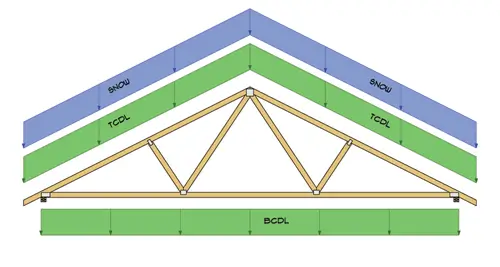 The framing system is the backbone of any roof structure. When designing a roof for heavy snow loads, engineers carefully calculate the strength needed to support accumulated weight.
Typical structural components include:
- Roof trusses
- Rafters
- Load-bearing walls
- Support beams
Roof trusses are commonly used in modern construction because they distribute weight evenly across the structure. Proper spacing and reinforcement ensure that the roof can handle significant snow loads without bending or weakening over time.
Builders also use stronger framing materials and additional supports when constructing homes in areas with heavy snowfall.
Ice Dams and Their Impact on Roof Performance
Ice dams are another concern in cold climates. They form when heat escapes through the roof, causing snow to melt. The melted water flows downward until it reaches colder areas near the roof edge, where it refreezes.
Over time, this process creates a barrier of ice that prevents additional melting snow from draining properly. Water may back up under shingles, potentially leading to leaks and interior damage.
Preventing ice dams is a key part of effective snow load roof design in Alaska.
Strategies for reducing ice dam formation include:
- High-quality insulation
- Proper attic ventilation
- Continuous vapor barriers
- Air sealing around ceiling penetrations
By keeping the roof surface consistently cold, these measures reduce uneven melting and help prevent ice buildup.
Insulation and Energy Efficiency
Insulation plays an important role in both structural protection and energy efficiency. A well-insulated roof prevents heat from escaping through the attic and melting snow unevenly.
Cold-climate homes often use higher insulation values than homes in warmer regions. Advanced insulation systems help maintain consistent indoor temperatures while protecting the roof from heat loss.
In addition to improving comfort, proper insulation reduces heating costs and helps maintain the structural integrity of the roof.
Roof Ventilation in Cold Climates
Ventilation is another key element of cold-climate roof design. Without adequate airflow, warm air trapped in the attic can cause snow to melt unevenly, contributing to ice dam formation.
Effective ventilation systems allow cold air to circulate through the attic, maintaining a uniform roof temperature.
Common ventilation components include:
- Ridge vents along the roof peak
- Soffit vents near the eaves
- Attic ventilation channels
These features work together to regulate temperature and moisture levels within the attic space.
Roofing Materials for Snowy Climates
The materials used on the roof surface also affect how snow behaves.
Some roofing materials allow snow to slide off more easily, while others may hold snow in place longer.
Common roofing materials for Alaska homes include:
Metal Roofing
Metal roofs are popular in snowy climates because snow slides off easily. This reduces long-term snow accumulation and minimizes structural stress.
Metal roofs are also durable and resistant to moisture damage.
Asphalt Shingles
Asphalt shingles are widely used and cost-effective. While they may not shed snow as easily as metal roofing, proper roof pitch and insulation can still make them effective in cold climates.
Composite Roofing
Some homeowners choose composite materials designed for durability and weather resistance. These materials often offer a balance between performance and aesthetics.
Snow Retention Systems
In certain situations, homeowners install snow retention systems to control how snow slides off the roof.
These systems include small barriers or brackets that hold snow in place temporarily, allowing it to melt gradually rather than sliding off suddenly.
Snow guards can be especially helpful above entryways, walkways, or driveways where falling snow could pose safety risks.
Maintenance and Snow Removal
Even well-designed roofs may occasionally require snow removal during exceptionally heavy winters.
Professional snow removal services can safely remove excess snow from roofs when accumulation becomes extreme.
Homeowners should avoid climbing onto roofs themselves during winter, as icy conditions create significant safety hazards.
Regular inspections during spring and summer can also help identify potential roof issues before the next winter season begins.
Designing for Long-Term Durability
A properly designed roof should last for decades, even in Alaska’s harsh climate.
Long-term durability depends on several factors:
- Structural engineering
- Material selection
- Insulation and ventilation quality
- Professional construction practices
Working with experienced builders and engineers ensures that every aspect of the roof system is designed to withstand local weather conditions.
Why Early Planning Matters
Many homeowners begin thinking about roof design late in the planning process, but structural decisions should be made early.
Roof pitch, framing systems, insulation, and ventilation must all be coordinated during the design phase. Making changes later in construction can be expensive and difficult.
Discussing roof design with builders and engineers early ensures the home meets both safety requirements and energy efficiency goals.
Snow Load Roof Design in Alaska
Designing a home in Alaska requires careful attention to climate-specific challenges, and the roof is one of the most critical components. Understanding snow load roof design in Alaska helps homeowners make informed decisions that protect their investment and ensure long-term structural safety.
From choosing the right roof pitch to installing proper insulation and ventilation, every detail contributes to how well a home performs during winter. By planning ahead and working with experienced professionals, homeowners can create roofs that safely handle snow loads while maintaining comfort and efficiency.
A well-designed roof does more than keep snow out—it protects the entire home, ensuring that Alaska’s beautiful winters remain something to enjoy rather than worry about.
