
Building a custom home in Alaska is an exciting journey, and for many people, it represents the chance to craft a space perfectly suited to their lifestyle, climate, and long-term goals. However, the true cost to build a house in Alaska extends far beyond simple square-foot pricing. While most future homeowners focus on floor plans, finishes, and aesthetics, the biggest financial surprises often come from less glamorous yet essential elements—site preparation, logistics, engineering requirements, and Alaska-specific challenges that don’t appear in standard construction guides.
To help you plan with greater clarity, this comprehensive guide breaks down the 10 hidden costs of building a home in Alaska—items that belong in your budget from the very beginning. Whether you’re planning your first custom home or comparing options across Anchorage, the Mat-Su Valley, or rural areas, understanding these costs can protect your investment and reduce stress throughout the building process.
1. Pre-Build Costs: Land Preparation, Lot Evaluations, and Environmental Assessments
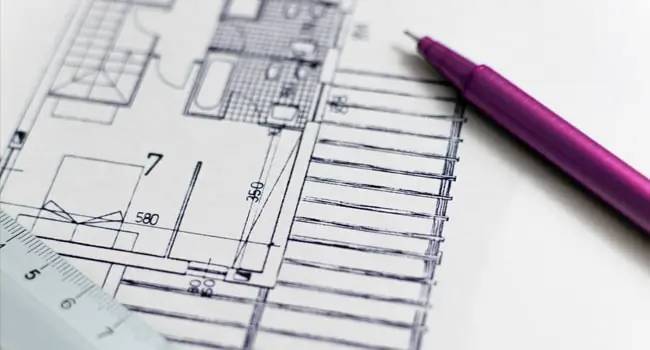 Before a single foundation is poured, you’re likely to face several pre-construction expenses that can significantly influence the total home construction cost in Alaska.
Key budget items include:
- Lot clearing and vegetation removal
- Soil testing and geotechnical evaluations
- Slope correction or drainage planning
- Environmental or wetland assessments
- Access road improvements or clearing
- Surveying and boundary verification
Because Alaska’s terrain varies widely—from rocky hillsides and glacial soils to forested lots and wetlands—these steps ensure your land can support the home you envision. They also help avoid unexpected excavation issues, water pooling, or foundational instability. In some regions, this stage alone can add several thousand dollars to your overall project.
Tip: Budget a contingency for this stage, especially if your lot is heavily wooded or on uneven terrain.
2. Site Access and Transportation Costs Unique to Alaska
One of the most overlooked factors in the cost to build a house in Alaska is the logistical reality of delivering materials, equipment, and labor to the site. The more remote your property, the more expensive your build will likely become.
Common transportation-related costs include:
- Heavy equipment transport
- Material delivery fees
- Access upgrades for large trucks
- Seasonal restrictions that cause delays
- Fuel surcharges due to distance and terrain
Even properties that appear accessible on a map may present challenges such as narrow roadways, steep driveways, or limited turnaround space. In winter, icy conditions can make transport even more complex. Because Alaska is spread across vast distances, each delivery must be carefully planned—and priced accordingly.
3. Permitting, Engineering, and Regulatory Requirements
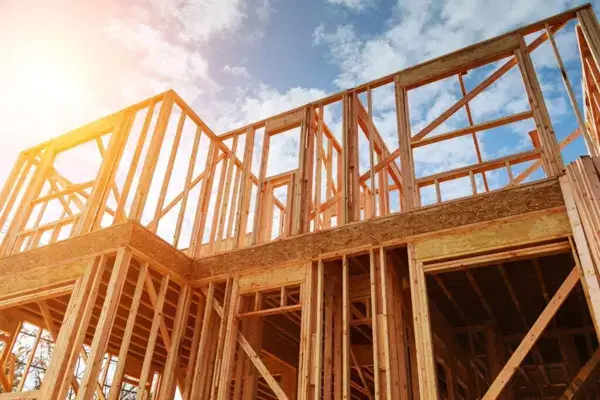 Alaska’s building regulations are designed to ensure structural safety and weather resilience, but these requirements also increase the total cost of your project.
Expenses often include:
- Building permits
- Structural engineering
- Energy compliance testing
- Mechanical inspections
- Environmental impact verification
- Septic or water system permits
These professional services help verify that your home can withstand heavy snow loads, seismic activity, strong winds, and extreme temperatures. They’re not optional—and they’re not cheap. For many homeowners, these administrative costs feel invisible until they arrive as line items in estimates.
4. Foundation and Excavation Challenges in Alaska’s Climate
The foundation is one of the most expensive parts of custom home building in Alaska, especially because local soil conditions can dramatically affect construction.
Potential additional costs include:
- Deeper excavation due to frost lines
- Compaction or backfill for unstable soils
- Additional reinforcement to support snow loads
- Frost-protected shallow foundation systems
- Drainage systems to manage runoff and freeze/thaw cycles
Building on permafrost, clay, or saturated soils often requires specialized engineering, which increases costs. Even within urban or suburban areas, the wrong type of soil can significantly increase your foundational budget.
5. Utility Access, Water Solutions, and Off-Grid Infrastructure
Connecting your new home to utilities can be more costly in Alaska than in other states, especially outside major cities. Depending on your location, you may need to budget for:
- Well drilling
- Septic system installation
- Electrical extensions
- Propane or fuel storage tanks
- Backup power systems
- Off-grid heating solutions
- Internet and communication line installation
Each of these components has multiple options, and many homeowners don’t realize the total price until they start getting quotes. Even a standard well or septic system can drastically alter the overall Alaska home construction cost, especially in areas with challenging terrain or deep frost levels.
6. Weather Delays and Seasonal Construction Limitations
Alaska’s climate affects everything—from excavation timing and concrete curing to roofing, siding, and installation of exterior materials. Seasonal timing can bring additional costs you’ll want to prepare for:
- Extended rental periods for equipment
- Temporary heating during construction
- Additional labor hours due to icy or snowy conditions
- Storage or staging fees for materials
- Weatherproofing materials or temporary shelters
Building during the wrong season can lead to delays that add thousands of dollars to your timeline. Some regions also have short “build seasons,” which increase labor demand and, consequently, labor pricing.
7. High-Performance Insulation and Cold-Weather Building Materials
Energy efficiency is not optional in Alaska—it’s essential. While the upfront cost of high-performance materials is higher, the long-term savings on energy bills and maintenance make them well worth the investment. However, it’s important to plan for the higher price tag early in your budgeting.
You may need to allocate extra funds for:
- Advanced insulation systems
- Triple-pane or cold-climate rated windows
- Air-sealing and vapor barrier solutions
- Specialized wall assemblies
- High-efficiency heating systems
- Additional ventilation and moisture control
This category of hidden costs directly affects both comfort and cost-of-living. While these materials increase the initial cost to build a home in Alaska, they contribute to long-term energy efficiency and lower operating expenses.
8. Snow Load Engineering and Roof Reinforcement
Snow loads are a defining factor of Alaskan home design. Roofing structures must withstand heavy, wet snow accumulation, high winds, and freeze-thaw cycles. That’s why you’ll often face additional expenses such as:
- Reinforced trusses
- Increased roof insulation
- Ice dam prevention systems
- Steeper roof pitches
- Snow management systems
Variations in local climate zones across Alaska—coastal, interior, and arctic—also influence the engineering standards required for your new home. Budgeting for these structural upgrades ensures long-term durability.
9. Exterior Considerations: Weatherproofing, Siding, and Climate-Smart Finishes
Exterior materials in Alaska must withstand:
- High winds
- Driving rain or snow
- Ice buildup
- UV exposure during long summer days
- Rapid temperature fluctuations
Weatherproof siding, additional layers of house wrap, corrosion-resistant fasteners, and durable roofing products often add to your total construction costs. Many homeowners underestimate how necessary these exterior upgrades are for protection and long-term maintenance.
10. Contingency Funds for Unplanned Challenges
Even the most carefully planned projects in Alaska encounter unexpected issues. Common late-stage surprises include:
- Last-minute changes to plans
- Material price fluctuations
- Additional site work
- Unexpected soil or drainage problems
- Delays due to weather or permits
A smart budget includes a contingency fund—typically 10–20% of the overall construction cost. In Alaska’s climate, closer to 20% is often more realistic. Having this buffer allows you to navigate challenges without the stress of reworking your finances midway through the build.
Final Thoughts: Plan Ahead to Avoid Budget Surprises
The total cost to build a house in Alaska is shaped by more than the structure itself. From logistics and terrain to weather and engineering, Alaska’s unique conditions introduce hidden costs that many future homeowners do not anticipate. Planning for these expenses upfront gives you a more accurate budget, reduces stress during construction, and helps you make confident decisions along the way.
While building in Alaska requires careful preparation, those who take the time to understand these hidden costs often enjoy a smoother process and a more durable, efficient home that truly fits the Alaskan lifestyle.
If you’re ready to explore your options, planning early and building a detailed budget is the best place to start. With the right guidance, your dream of owning a custom home in Alaska can become a reality—built to withstand the elements and designed for long-term enjoyment.
