by alaskahome | Jan 15, 2026 | Uncategorized
When you’re building in Alaska, windows aren’t just a design feature — they’re a major part of your comfort, energy performance, and everyday quality of life. The right windows can fill your home with natural light during the darker months, keep drafts and cold spots out during long winters, and prevent moisture problems that cause fogging, mold, or even long-term damage. The wrong windows? They can make a brand-new home feel chilly, increase your heating bills, and leave you constantly battling condensation and ice buildup.
If you’re planning a custom build or comparing options with Alaska home builders, this guide will help you understand what actually matters when choosing windows for Alaska homes. We’ll cover the most important performance factors, how to maximize daylight without sacrificing warmth, and the real-world details that keep condensation under control. Because in a cold climate, the “best” window isn’t the one with the prettiest frame — it’s the one that performs flawlessly year after year.
Why Windows Matter More in Alaska Than Anywhere Else
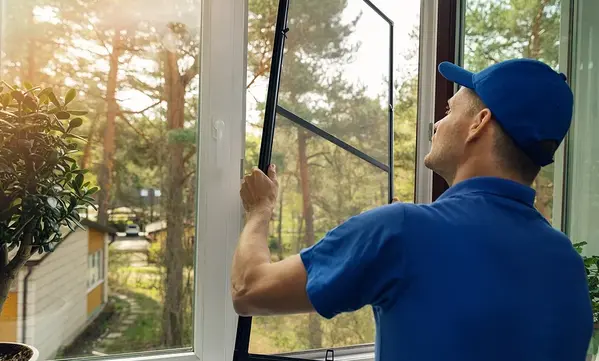 In many parts of the U.S., windows are often chosen based on looks and budget. In Alaska, windows affect far more than curb appeal. They influence:
- Heat retention and drafts
- Interior comfort near walls and seating areas
- Moisture control and indoor air quality
- Daylight and mood during darker seasons
- Long-term durability in extreme temperature shifts
The combination of cold temperatures, strong winds in many regions, and long heating seasons creates pressure on the entire building envelope. Windows are one of the most vulnerable parts of that envelope because glass is naturally less insulating than a framed wall. That’s why Alaska homeowners need to think about windows as a performance system, not an afterthought.
What “Good Window Performance” Really Means in Alaska
When people say they want “good windows,” they usually mean one of two things:
- They want their home to feel warm and comfortable near the windows
- They want their windows to stay clear and dry (no condensation or frost)
In Alaska, the best windows do both. They hold heat in and moisture out while still letting light in. To get that result, your window selection should focus on three performance priorities:
1) Insulation (cold-climate thermal performance)
A window should slow heat transfer as much as possible.
2) Airtightness (draft prevention)
Even a high-rated window can feel cold if air leaks around it.
3) Condensation resistance (moisture control)
A window can be “efficient” and still fog up if it’s not designed for cold climates.
The Window Ratings You Actually Need to Pay Attention To
When choosing windows for an Alaska home, you’ll run into a lot of numbers. Some matter more than others. Here are the most important ones, explained in plain language.
U-Factor (the most important rating in cold climates)
U-factor measures how well a window prevents heat from escaping. The lower the number, the better the window insulates.
For Alaska homes, you generally want a low U-factor because heating season is long and temperatures can be extreme. A better U-factor means:
- warmer glass surfaces
- less draft-like discomfort
- lower energy use
- improved condensation resistance
SHGC (Solar Heat Gain Coefficient)
SHGC measures how much solar heat comes through the glass.
In Alaska, this number matters because sunlight can be your friend — especially on south-facing walls. In some designs, you can intentionally use the sun to offset heating costs by choosing glass that allows more solar gain where it makes sense.
Air Leakage Rating
This is one of the most overlooked specs, and it matters a lot in Alaska. Air leakage measures how much air passes through the window assembly.
Lower air leakage = fewer drafts, less cold air infiltration, and better overall comfort.
Even the best glass package won’t save you if the window leaks air.
Visible Transmittance (VT)
VT tells you how much light the window lets in. A higher VT means a brighter interior — which is valuable in Alaska during long dark periods.
However, very high VT sometimes means less protective coatings, so it’s about balance.
Double Pane vs Triple Pane: What Alaska Buyers Should Choose
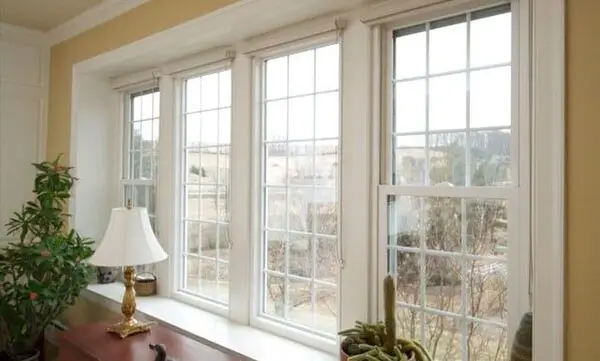 One of the most common questions is whether triple-pane windows are “worth it” in Alaska. In many cases, yes — but it depends on the home design and your expectations.
Double-pane windows
Double-pane windows have two layers of glass with a sealed airspace between them. They’re common, widely available, and can perform well in moderate cold climates.
However, in Alaska, double-pane windows can still feel cold to the touch in winter, and they can be more prone to condensation depending on indoor humidity levels.
Triple-pane windows
Triple-pane windows add a third layer of glass, which increases insulation and helps keep the inner glass surface warmer.
Benefits of triple-pane windows in Alaska:
- better thermal performance and comfort
- less condensation risk
- less temperature swing near windows
- quieter interior (more sound reduction)
Triple-pane windows can cost more, but they often deliver noticeable comfort improvements—especially in homes with larger window areas, vaulted ceilings, or open layouts where drafts stand out more.
If your goal is long-term comfort in an Alaska build, triple-pane is typically the smarter choice.
Gas Fills and Coatings: The Quiet Features That Make a Big Difference
Many window buyers focus on frame color and style, but performance comes from what you can’t easily see.
Gas Fill (Argon or Krypton)
Windows are often filled with insulating gas between panes rather than just air.
- Argon is the most common and offers a good balance of performance and cost.
- Krypton can offer better performance in thinner spaces, but it tends to be more expensive.
Gas fills reduce heat transfer and help the interior pane stay warmer.
Low-E Coatings
Low-E is a thin coating on the glass that reflects heat. In cold climates, this coating helps keep heat inside during winter while still allowing daylight.
A well-chosen Low-E configuration can:
- reduce heat loss
- improve comfort
- limit UV fading on furniture
- help manage condensation by warming the interior surface
Low-E coatings are not all the same. Some are designed for more solar gain, others for more heat retention, and the right choice depends on window orientation and your design goals.
Condensation: Why It Happens and How to Prevent It in Alaska Homes
If you’ve lived in a cold climate, you’ve probably seen window condensation — foggy glass, water droplets, or even frost at the bottom of the window. It’s frustrating, and it’s one of the top complaints in winter.
Condensation happens when warm, moist indoor air meets a cold surface. When the glass surface temperature drops below the dew point, moisture forms.
In Alaska, condensation is common because:
- indoor air is warm and humid (from showers, cooking, laundry, breathing)
- outdoor air is extremely cold
- glass surfaces can become very cold, especially with lower-quality windows
Why is condensation more than just annoying
Condensation isn’t only a visibility issue. If it’s consistent, it can lead to:
- water damage around sills and trim
- peeling paint or stained wood
- mold growth in window frames
- long-term rot if moisture gets trapped
How to reduce condensation risk
The best approach is a combination of window performance and home systems:
Choose windows with better thermal performance
Triple-pane, low U-factor windows keep the interior pane warmer, which reduces condensation risk.
Improve ventilation
A well-designed ventilation system helps remove moisture from the indoor air instead of letting it linger.
Manage indoor humidity
In winter, many homeowners unknowingly keep humidity levels too high. It feels nice for skin and comfort, but it can increase condensation.
Ensure airtight installation
Air leakage around the window frame can bring cold air into contact with interior surfaces, making condensation worse.
Window Frames in Alaska: Vinyl, Fiberglass, Wood, or Aluminum-Clad?
The frame matters more than many buyers realize, because it affects durability, maintenance, insulation, and how stable the window remains over time.
Vinyl
Vinyl windows are common and budget-friendly. They can perform well, but quality varies widely.
Best for:
- value-focused builds
- smaller window sizes
- homeowners who want low maintenance
Potential downside in Alaska:
- lower-end vinyl can feel less rigid in extreme cold and over time
- color choices may be more limited
Fiberglass
Fiberglass windows are known for strength and stability. They tend to handle extreme temperature swings better and remain more rigid over time.
Best for:
- larger windows and expansive glass
- cold-climate durability
- long-term performance builds
Wood (often with exterior cladding)
Wood interiors offer a warm, high-end look. Many are protected externally with aluminum cladding.
Best for:
- premium custom homes
- architectural style projects
homeowners who love natural interiors
Consideration:
- wood requires more care and attention long-term
- higher cost is common
Aluminum (and aluminum-clad)
Pure aluminum frames conduct heat easily, which can be a disadvantage in cold climates. However, modern aluminum-clad designs often pair aluminum exteriors with insulated interiors for better performance.
Best for:
- modern architecture
- durability against the elements
- higher-end builds with proper thermal breaks
Window Orientation: The Key to Daylight Without Losing Heat
In Alaska, daylight is valuable. But maximizing light doesn’t mean “add more windows everywhere.” It means smart placement and sizing.
Here’s how to think about orientation:
South-facing windows (your daylight advantage)
South-facing windows can bring in more consistent light and potentially solar warmth. Many Alaskans intentionally place larger windows on the south side to improve brightness and comfort.
North-facing windows (soft light, higher heat loss)
North-facing windows bring in cooler, softer light but don’t offer solar heat gain. In cold climates, these windows are more likely to feel chilly and may be better kept smaller.
East-facing windows (morning light)
Great for kitchens and breakfast areas if you love bright mornings.
West-facing windows (afternoon light + glare risk)
West windows can be gorgeous at sunset, but they can also create glare and overheating on sunny days, even in cool climates.
A balanced design uses larger window areas where the light and solar gain help, and smaller windows where heat loss outweighs benefits.
Bigger Windows vs Better Windows: What’s Smarter in Alaska?
Modern homes often feature big glass walls and tall window designs. They look beautiful and feel open—but in Alaska, the glass area needs to be handled strategically.
If you want larger windows, the key is to upgrade performance so the home stays comfortable.
When large windows make sense:
- the view is a major part of the home’s value
- you want maximum daylight in the main living spaces
- the window orientation supports it (often south-facing)
What you should do if you go big:
- choose triple-pane glass
- prioritize low air leakage rating
- upgrade installation and sealing details
- consider window coverings for nighttime insulation
A well-designed Alaska home can absolutely have large windows—without turning into a cold, drafty space. You just need the right window package.
Installation Matters as Much as the Window Itself
This is the part many homeowners don’t realize: you can buy excellent windows and still end up uncomfortable if installation quality is poor.
A window should be installed as a complete air-and-water management system. If the sealing, flashing, and insulation around the window aren’t handled correctly, you can get:
- drafts and cold spots
- moisture intrusion
- condensation issues
- reduced performance, even with high-end glass
In Alaska, this matters even more because temperature differences create pressure and moisture movement. Proper installation protects the home long-term.
The Best Window Features for Alaska Home Comfort
If you want a quick checklist of what most Alaska homeowners benefit from, here’s the simple “smart window package” idea:
✅ Triple-pane glass for comfort and condensation resistance
✅ Low U-factor for better thermal performance
✅ Low air leakage rating to prevent drafts
✅ Cold-climate Low-E coating choices
✅ Argon gas fill (or high-performance equivalent)
✅ Strong frame material (fiberglass or high-quality vinyl often performs well)
✅ Professional installation with airtight sealing and flashing
It’s not about choosing the most expensive option—it’s about choosing the right combination of performance and durability.
Windows Should Make Your Alaska Home Feel Better Every Day
The best windows for Alaska homes aren’t just about saving energy — they’re about how your home feels to live in. Warmer indoor comfort, fewer drafts, clearer glass, less condensation, and brighter natural light all add up to a home that feels calm, cozy, and easy to maintain. When you make window decisions early and strategically, you avoid the costly regrets that come from picking based only on looks or price.
If you’re planning a custom build and want a home designed for Alaska’s climate from the ground up, window selection is one of the smartest places to invest. It’s one of those decisions that pays you back every single winter—quietly, consistently, and comfortably.
by alaskahome | Jan 15, 2026 | Uncategorized
Building a home in Alaska comes with a different set of priorities than most places in the U.S. It’s not just about the floor plan, the view, or the finishes—it’s about making sure your property works year-round in real conditions. And if you’re building outside of city limits or in a more remote area, one of the biggest “must-plan” systems isn’t the kitchen or the heating… It’s your wastewater setup.
For many rural properties, a septic system in Alaska isn’t optional—it’s the default. But it’s also one of the most misunderstood parts of building a home. A septic system is not something you want to treat like a last-minute add-on, because your soil, lot layout, access, and even your home design can impact what’s possible and what it will cost to build correctly.
This guide breaks down what homeowners need to know before building on rural land: how septic systems work, what affects feasibility, what to consider during site planning, and how to avoid issues that lead to expensive corrections later. If you want a home that feels easy to live in—not a home that requires constant troubleshooting—your septic plan should be handled early and correctly.
Why Septic Planning Is a Big Deal in Alaska
 In many states, septic systems are relatively predictable. In Alaska, they can vary widely depending on the property location, ground conditions, and weather patterns. That’s why you’ll see huge differences between one build and another, even if the home size is similar.
Septic matters because it impacts:
- Where can you place your house on the lot
- Whether the lot is even buildable
- How much excavation and prep is needed
- Long-term reliability during freeze/thaw cycles
- Future resale confidence (buyers ask about septic condition more than you’d expect)
Most importantly, if septic is installed incorrectly, the “fix” can be disruptive, expensive, and stressful. Planning it properly is far easier than repairing it after construction.
How a Septic System Works (Simple Breakdown)
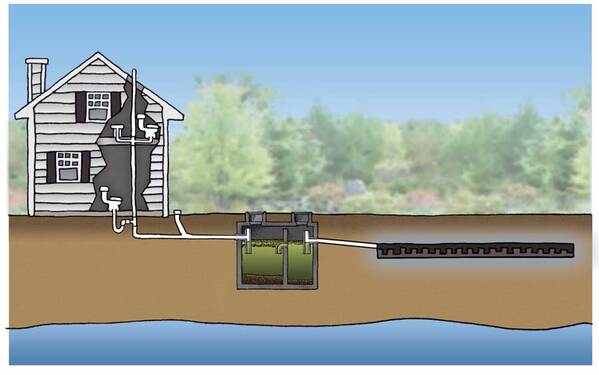
A septic system is a self-contained wastewater treatment setup used when there’s no access to municipal sewer.
Here’s the basic flow:
- Wastewater leaves your home through the main drain line.
- It enters the septic tank, where solids settle at the bottom and oils rise to the top.
- The remaining liquid (effluent) flows into a drainfield / leach field, where it filters into the soil and is naturally treated.
- The soil absorbs and cleans the effluent over time.
In other words, your septic system depends heavily on the soil doing its job. That’s why site conditions matter so much when building in Alaska.
Septic vs Sewer: How to Know What You’re Working With
Before you fall in love with rural land, confirm whether the property is connected to a sewer system. In many cases, rural lots won’t have sewer access, which means septic becomes part of your home’s required infrastructure.
If sewer is available nearby, it may still not be connected to the property—so you’ll want to verify:
- Is there an existing sewer line connection?
- Is it at the street, or do you need to extend it?
- Are there any connection fees?
- Are there timing restrictions for connecting?
If sewer isn’t available, then septic planning is non-negotiable.
Why Soil and Site Conditions Control Everything
The biggest factor in whether a septic system will work well is the soil’s ability to absorb and filter wastewater. On rural Alaska properties, soil conditions can vary dramatically even within the same area.
Common factors that affect septic viability include:
Soil Drainage
Some soils drain well; others hold water. Poor drainage can lead to slow absorption and system stress.
Water Table Level
If groundwater is too close to the surface, it can limit how deep a drainfield can be placed.
Lot Slope
A slope can be helpful or harmful depending on how it’s managed. Drainage patterns matter a lot.
Seasonal Freeze/Thaw
Alaska’s climate can create freeze risks and shifting ground conditions, especially when systems aren’t properly protected.
If you’re serious about building, don’t assume a septic system will automatically be easy. You want the lot evaluated early so you know what’s feasible.
The Biggest Mistake: Picking a House Plan Before the Septic Layout
 This happens all the time. Buyers choose a home design first, then try to fit septic in later. But septic needs space, placement strategy, and long-term access.
Your septic layout affects:
- House placement
- Driveway positioning
- Garage orientation
- Future additions or outbuildings
- Tree placement and landscaping
- Property drainage design
That’s why smart builders treat septic as part of the overall site plan—not a separate decision.
Ideal approach: plan septic and driveway access first, then position the home for the best layout, sunlight, and views.
Where Septic Systems Usually Go Wrong (And How to Avoid It)
Septic failure isn’t always dramatic. Sometimes it starts as “minor issues” that grow into expensive problems later. Here are the common causes:
1) Poor system sizing
A septic tank and drainfield must match the home’s expected usage. A home built for a family needs a different setup than a cabin used seasonally.
2) Bad placement
Septic components need correct spacing from wells, property lines, and the home itself. Placement should also support future maintenance access.
3) Improper drainage management
A septic system can be stressed if surface water flows toward it or pools near the drainfield.
4) Lack of long-term access
If the tank is placed where it’s hard to reach, servicing becomes harder and more costly.
5) Landscaping mistakes
Planting trees too close or driving heavy vehicles over the drainfield can cause damage.
Septic works best when it’s treated like a system you’ll maintain—not a buried object you forget exists.
Septic Tank Size: What Homeowners Should Understand
While exact sizing depends on design standards and local requirements, the main point is this:
Septic sizing is typically based on:
- number of bedrooms
- expected daily water use
- whether the home will be occupied full-time
- number of bathrooms and fixtures
Even if your home is “just two people,” a 4-bedroom home is still designed for higher potential usage—which affects sizing assumptions.
Pro tip: Always plan septic based on the home’s design capacity, not just your current lifestyle.
That protects you long-term and helps resale.
Drainfields in Alaska: Why They Need Extra Attention
The drainfield is the part of the system that requires the most careful planning, because it’s where wastewater gets treated naturally.
Drainfield performance depends on:
- soil absorption
- depth and layering
- drainage direction
- long-term moisture management
- proper installation
In Alaska’s climate, drainfields need to handle seasonal shifts. The goal is a system that stays stable, drains reliably, and doesn’t freeze or saturate under real-world conditions.
Access, Maintenance, and Winter Reality
A septic system isn’t something you “install and forget.” Proper maintenance keeps it healthy and prevents backups or long-term damage.
Homeowners should plan for:
- pump access (tank must be serviceable)
- clear marking of tank location
- winter access strategy if servicing is ever needed
- responsible water use habits
- regular maintenance schedule based on household size
One of the most overlooked details in Alaska builds is winter practicality. You want everything—from access routes to service points—to be manageable even when conditions aren’t perfect.
Septic and Well Together: The Spacing Matters
Many rural Alaska homes use both septic systems and private wells. If your property will have a well, you must plan septic placement carefully to protect water quality.
Your well placement affects:
- where septic can go
- how the lot is oriented
- how drainage should be handled
- where future expansions are possible
This is why site planning is so important. The lot needs to work as a complete system, not just as a blank piece of land.
Seasonal Use vs Full-Time Living: Your Septic Needs Might Change
Some Alaska homeowners build cabins, weekend homes, or seasonal properties. Septic planning should match how the home will truly be used.
For seasonal homes, septic considerations include:
- periods of low use
- winterization strategy if not occupied
- water usage spikes during holidays or visits
- maintenance timing
For full-time homes, the system should be designed for reliable daily use with long-term durability.
The key is to be honest about how you’ll live in the home—because septic is designed around real usage patterns.
What to Ask Before Buying Rural Land in Alaska
If you’re still in the land-buying phase, these questions can save you from choosing a lot that becomes a headache later.
Ask:
- Has the property ever had a septic system before?
- Is there an existing system or tank on site?
- Has the soil been tested for septic feasibility?
- Is there a clear area suitable for a drainfield?
- Are there drainage issues on the lot?
- Where would the well be placed (if needed)?
- Are there any limitations on building placement?
Even if the property looks perfect, septic feasibility should be confirmed early.
Practical Tips for a Smooth Septic Build Plan
Here’s what typically makes septic planning easier and more successful:
✅ Plan septic early in the build process
✅ Choose home placement based on site conditions, not only the view
✅ Keep service access in mind (you will need it later)
✅ Manage surface drainage so water doesn’t collect near the drainfield
✅ Avoid building driveways or parking over septic areas
✅ Think long-term: future additions, garage expansions, outbuildings
The best septic system is the one you barely think about because it simply works.
Signs of Septic Issues (What Owners Should Watch For Later)
If you already own a septic home or buy a property with an existing system, it helps to know the early warning signs of problems.
Watch for:
- slow drains throughout the home
- sewage odors inside or outside
- unusually green grass patches above the drainfield
- soggy ground near septic areas
- gurgling pipes
- backups in lower-level drains
Catching problems early is always easier than letting them build up.
Septic Is One of the Most Important “Invisible” Parts of Your Alaska Home
A septic system isn’t exciting, but it has a huge impact on your home’s comfort, value, and long-term stress level. In Alaska, septic success depends on smart planning, proper placement, and building for real conditions—not best-case scenarios.
If you’re building on rural land, don’t treat septic as paperwork. Treat it as a core part of your home’s foundation planning. When it’s done right, you’ll never have to think about it. When it’s ignored, it can become the one issue that overshadows everything else.
If you’re planning a new build and want a home that’s designed to perform beautifully in Alaska from day one, a strong septic plan is one of the smartest steps you can take early.
by alaskahome | Dec 19, 2025 | Uncategorized
Designing a custom home is one of the most exciting parts of building a new house — especially in Alaska, where lifestyle, climate, and unique living conditions shape every design choice. From mudroom entryways to oversized storage for outdoor gear, an Alaska home should reflect not just your aesthetic taste but how you live, play, and thrive in a northern environment.
In this guide, we’ll explore the essential custom home design features, functional layouts, and planning strategies that matter most to homeowners building in Alaska. Whether you’re a first-time buyer or upgrading to a forever home, these insights will help you design a space that feels right for your needs and your environment — without compromising comfort or performance.
Why Alaska Custom Home Design Is Different
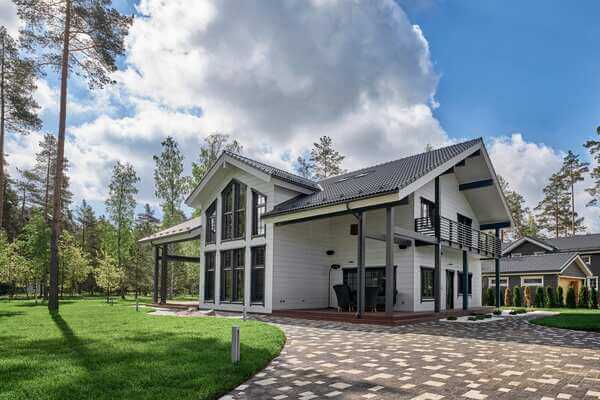 “Custom home design” is a broad term, but in Alaska it goes beyond paint samples and kitchen islands. It means thinking about daily routines, seasonal living patterns, and multi-use spaces that adapt to long winters, outdoor hobbies, storage needs, and family circulation.
Unlike many homes in the Lower 48, Alaska custom homes often prioritize:
- Functional zones for gear and mud
- Durable materials that survive heavy use
- Flexible spaces for remote work and hobbies
- Most-used-first layouts that reduce unnecessary travel through the home
These aren’t trends — they’re necessities rooted in how people actually live in Alaska.
Custom Home Layouts That Work for Alaska Lifestyles
When people search for “custom home layout ideas” or “functional home design,” they’re usually looking for inspiration that balances flow, comfort, and everyday usefulness. Here are the most effective Alaska-focused layout strategies:
1. Efficient Entryways & Mudrooms
In Alaska, a proper entryway or mudroom isn’t a luxury — it’s essential. Your design should anticipate snow gear, boots, dog leashes, winter coats, and dry storage.
Key features in great mudroom design:
- Built-in bench seating for putting on boots
- Dedicated cubbies and hooks for coats, hats, gloves, and scarves
- Boot dryers or ventilated storage for wet gear
- Easy access to laundry and utility areas
A well-planned mudroom improves daily life and helps keep your living areas clean and organized.
2. Open Concept Living That Still Feels Cozy
Alaska homes often balance an open floor plan with cozy zones. Open concepts are great for social connection, but thoughtful placement of gathering spaces, fireplaces, and sightlines can make large rooms feel intimate — perfect for evenings with family or hosting guests.
When designing open living spaces:
- Anchor the area with a central hearth or fireplace
- Use area rugs and lighting to define sub-zones
- Orient windows to showcase scenic views while minimizing heat loss
This approach supports both everyday living and entertaining.
3. Kitchen Design for Everyday Use and Entertaining
The kitchen is the heart of many homes, and in Alaska, it often serves multiple purposes — from preparing hearty meals for a big family to hosting friends after outdoor adventures.
Key kitchen design priorities:
- Plenty of counter space for meal prep
- Durable surfaces that resist wear
- Thoughtful storage for large-format cookware
- A layout that supports multiple cooks
Designing with both utility and aesthetics in mind helps your kitchen become a space you love rather than tolerate.
Planning for Storage: The Alaska Advantage
One of the most common searches from prospective homeowners is “home storage ideas” — and Alaska living gives this topic special importance. With outdoor equipment for hiking, skiing, boating, hunting, or fishing, storage is not an afterthought — it’s a design priority.
1. Over-Sized Storage Areas
Think beyond closets:
- Floor-to-ceiling shelving in pantry or garage
- Wall space designed for gear storage
- Hidden bins or pull-out drawers under stairs
These solutions help keep your home uncluttered while making gear easy to access.
2. Garage and Workshop Zoning
Your garage isn’t just for cars — it’s a functional extension of your life.
Smart garage design features:
- Racks and overhead storage for kayaks, skis, bikes
- Mudroom access directly into the garage
- Workbench area for tools and repairs
- Durable flooring options that handle snow and ice
This kind of planning makes your garage function like a utility room with purpose.
3. Seasonal Storage Planning
Alaska’s extreme seasons mean gear rotates throughout the year.
Plan for:
- Space for winter ski and snowmobile storage
- Shelving for summer hiking and fishing gear
- Climate-appropriate storage to preserve expensive equipment
A custom home should have a “gear home” built into its design — not retrofitted later.
Flexible Rooms for Changing Needs
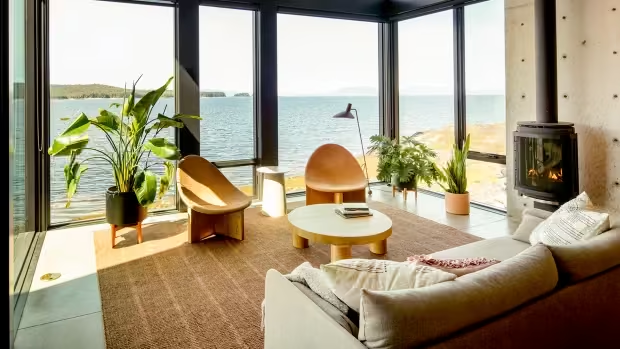 Alaska families often use rooms for more than one purpose — and custom design should support that.
Home Offices
Remote work is mainstream. Integrating a well-designed home office early helps avoid the pitfalls of retrofitting later.
Home office essentials:
- Natural light and outdoor views
- Quiet location — separated from main living noise
- Storage built into walls to reduce clutter
- Multiple outlet placements and connectivity planning
Guest Rooms or Second-Use Spaces
Many Alaska homeowners want rooms that double as:
- Guest bedrooms
- Hobby studios
- Playrooms
- Fitness spaces
Use flexible layouts and custom cabinetry that allow transformation without sacrificing design.
Natural Light and Views: Designing With the Landscape
Alaska’s landscapes are dramatic — and your home should reflect that. Most homeowners search for “custom home with big windows” or “design for views.”
Design with Purpose
- Maximize south-facing windows for daylight and solar gain
- Frame scenic views with large glazing clusters
- Use window placement strategically to balance light and energy control
But planning for views shouldn’t overshadow thermal comfort or privacy — so work with your builder to strike the right balance.
Circulation and Daily Routines
A beautiful home is only as good as how it feels to live in every day.
Great custom home layout principles include:
- Logical pathways between kitchen, dining, and outdoor spaces
- Easy access from car to mudroom to kitchen
- Clear sightlines for everyday flow
This is where functional planning meets lifestyle design — and where thoughtful choices make everyday living more seamless.
Durable, Livable Finishes for Alaska Families
While this article focuses on layout and planning, it’s worth noting that material selection — especially flooring, cabinetry, and hardware — plays a huge role in longevity.
Consider finishes that:
- Can handle high traffic
- Are easy to clean
- Stand up to moisture fluctuations
- Coordinate with overall home design
Durability doesn’t mean boring — it means smart design that looks great and functions well for years.
Integrating Outdoor Living Into Everyday Design
Alaska’s outdoor lifestyle is part of its culture — whether it’s summer hikes or winter sports. Truly great custom homes treat outdoor spaces as extensions of interior living.
Outdoor design ideas that work:
- Covered porches and decks
- Outdoor gear rinse stations
- Patio connections from kitchen or living area
- Views integrated into main gathering spaces
These features are highly searched by “Alaska home design inspiration” seekers and help your home connect with its environment.
Working With a Custom Home Designer in Alaska
Designing a custom home that suits your lifestyle requires collaboration with professionals who understand:
- Alaska climate challenges
- Daily flow needs of families
- How to balance aesthetics with function
- How to plan for growth and change over time
A skilled custom home designer becomes your partner — not just a plan drawer. They help translate your lifestyle into effective floor plans, storage solutions, and livable spaces.
Common Mistakes in Custom Home Planning — and How to Avoid Them
Even experienced homeowners make design mistakes. Here are the top pitfalls and how to avoid them:
- Underplanning storage:
Every Alaska home needs more storage than you think — plan extra.
- Ignoring circulation:
Poor traffic flow leads to frustration. Use real-life walk-throughs with your designer.
- Forgetting seasonal needs:
Design for winter and summer gear, not just one season.
- Treating rooms as single-use:
Flexible spaces increase long-term home value.
Avoiding these mistakes improves comfort and resale value while making daily life genuinely better.
Final Thoughts: Custom Home Planning That Enhances Life
Designing a custom home for Alaska isn’t about following trends or copying magazine pictures. It’s about understanding how you live, what you value, and how your spaces support connection, comfort, and functionality.
A custom home should:
✅ Fit your daily routines
✅ Support your hobbies and lifestyle
✅ Adapt as your life changes
✅ Celebrate Alaska’s natural beauty
With thoughtful planning — and a trusted Alaska builder — your custom home can be both beautiful and purpose-built for the way you live.
FAQs
What is functional home design?
Functional home design prioritizes how spaces are used day-to-day, including flow, storage, and adaptability to lifestyle needs.
How do you plan storage in a custom home?
Start with an inventory of gear and plan dedicated areas (mudrooms, garages, closets) to keep items organized and accessible.
What layout works best for Alaskan homes?
Layouts that centralize living spaces, maximize views and natural light, and provide logical pathways between key zones offer the best balance of comfort and function.
How important are mudrooms in Alaska homes?
Extremely — they protect interior spaces from outdoor elements and provide organized transition zones for seasonal gear.
by alaskahome | Dec 19, 2025 | Uncategorized
Building a home in Alaska comes with unique opportunities—and unique challenges that don’t exist in most parts of the United States. One of the most critical factors that affects residential construction in Alaska is permafrost. Whether you are planning a custom home in Anchorage, Fairbanks, or a more remote region, understanding how permafrost impacts home design and construction is essential for long-term stability, safety, and performance.
This guide explains what permafrost is, how it affects residential construction, and what homeowners need to consider when designing a home in Alaska. If you’re researching Alaska home construction, this is foundational knowledge that will help you make informed decisions before breaking ground.
What Is Permafrost and Why It Matters for Home Construction
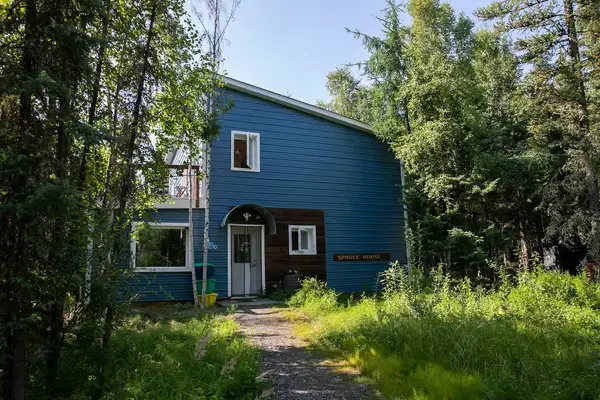 Permafrost is ground that remains frozen for at least two consecutive years. In many parts of Alaska, permafrost extends deep below the surface and can vary significantly from one property to another—even within the same neighborhood.
From a construction perspective, permafrost is not simply “frozen soil.” It is a dynamic ground condition that reacts to temperature changes, moisture levels, and human activity. When disturbed or improperly managed, permafrost can thaw unevenly, leading to ground movement that affects a home’s structural integrity.
This is why permafrost home construction requires specialized planning, experienced builders, and site-specific design strategies.
Where Permafrost Is Found in Alaska
Permafrost is widespread across Alaska, but its depth and stability vary by region.
- Interior Alaska (including Fairbanks) has extensive, continuous permafrost
- Southcentral Alaska often has discontinuous or isolated permafrost
- Coastal and southern regions may have minimal or no permafrost, depending on elevation and soil conditions
Because permafrost distribution is not uniform, site evaluation is critical. Two adjacent lots can have entirely different subsurface conditions, which is why professional assessment is always the first step in Alaska home building.
How Permafrost Affects Residential Construction
Building on permafrost is less about fighting nature and more about working with it intelligently. The biggest risk comes from thawing, which can cause:
- Uneven settling
- Foundation shifting
- Cracked walls and floors
- Structural misalignment over time
These issues are rarely the result of permafrost alone—they usually stem from design decisions that fail to account for ground conditions. Proper planning significantly reduces these risks.
Foundation Strategies Used for Homes Built on Permafrost
Foundation design is one of the most important aspects of Alaska home construction. Homes built on permafrost typically use foundation systems designed to minimize heat transfer and ground disturbance, helping maintain long-term stability.
Common Foundation Approaches in Permafrost Regions
Elevated Foundations
Raising the home above ground allows air circulation beneath the structure, reducing the chance of thawing. This approach is common in areas with continuous permafrost.
Pile or Post Foundations
Deep piles extend below the active layer of soil into more stable ground. This method transfers the load of the home to deeper, more reliable layers.
Adjustable Foundation Systems
Some modern designs incorporate systems that allow for minor adjustments over time, accommodating natural ground movement without structural damage.
The right foundation depends on site conditions, home design, and long-term use plans.
Site Planning and Lot Selection Considerations
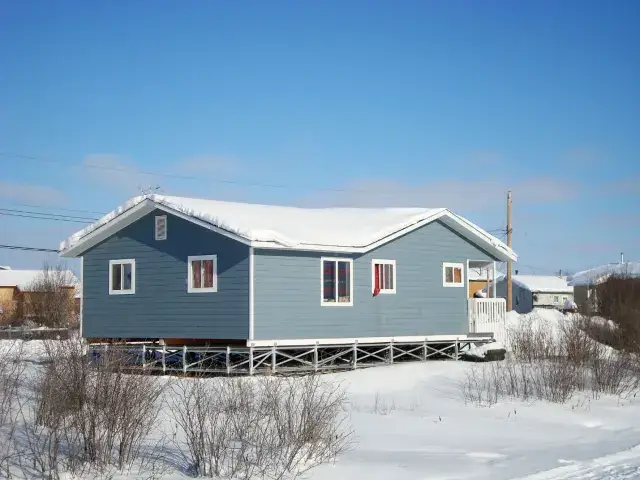 Before finalizing a home design, Alaska homeowners should pay close attention to site planning. The way a home is positioned on a lot can significantly influence how permafrost behaves over time.
Key considerations include:
- Natural drainage patterns
- Vegetation preservation
- Sun exposure
- Existing soil composition
Disturbing the land as little as possible during construction helps maintain permafrost stability. Experienced Alaska builders prioritize thoughtful site preparation to reduce long-term risks.
Designing a Home That Works With Alaska’s Ground Conditions
Successful Alaska home design balances aesthetics, functionality, and environmental realities. Homes built in permafrost regions are often designed with flexibility and durability in mind.
Design Principles for Long-Term Stability
- Simple, well-balanced layouts that distribute weight evenly
- Structural systems designed to handle seasonal movement
- Thoughtful placement of utilities to avoid ground disruption
- Exterior designs that accommodate elevation when required
These design choices are not about compromise—they are about creating homes that perform reliably in Alaska’s environment for decades.
Utilities and Infrastructure Planning
Utility planning is another critical aspect of building on permafrost. Water lines, sewer systems, and other infrastructure must be designed to function reliably without causing ground thaw.
In many cases, utilities are routed in ways that allow for access, monitoring, and future maintenance. This proactive planning helps protect both the home and the surrounding ground conditions.
The Importance of Working With an Experienced Alaska Home Builder
Permafrost construction is not an area for trial and error. Builders with Alaska-specific experience understand:
- How to evaluate permafrost conditions
- Which foundation systems work best in different regions
- How to plan sites responsibly
- How to design homes for long-term performance
An experienced Alaska home builder brings local knowledge that cannot be replicated by generic construction approaches used in other states.
Common Misconceptions About Building on Permafrost
Many homeowners unfamiliar with Alaska construction assume that permafrost makes building risky or impractical. In reality, thousands of successful homes across Alaska are built on permafrost.
The key difference lies in planning and execution. When permafrost is properly accounted for during design and construction, homes can remain stable and comfortable for generations.
Long-Term Performance and Maintenance Considerations
Homes built on permafrost benefit from periodic monitoring to ensure continued stability. This does not mean constant repairs—it simply involves being aware of how the home interacts with its environment over time.
Experienced builders design homes with longevity in mind, reducing the need for future intervention and preserving structural integrity.
Why Permafrost Knowledge Should Shape Your Home Design From Day One
One of the biggest mistakes homeowners make is treating permafrost as a secondary concern. In Alaska, it should be part of the conversation from the very beginning.
By integrating permafrost considerations early, homeowners gain:
- Better design outcomes
- Improved long-term stability
- Fewer unexpected issues
- Greater confidence in their investment
Building a Home in Alaska With Confidence
Building on permafrost is not a limitation—it’s simply part of what makes Alaska home construction unique. With the right knowledge, planning, and builder expertise, homeowners can create beautiful, durable homes that perform exceptionally well in Alaska’s environment.
Understanding permafrost is one of the most important steps in the Alaska home-building journey. When addressed properly, it becomes just another element of thoughtful design rather than a source of concern.
by alaskahome | Nov 17, 2025 | Uncategorized
Building a custom home in Alaska requires a deeper level of planning and technical understanding than almost anywhere else in the United States. The extreme climate, long winters, unpredictable temperatures, and unique moisture conditions demand that every homeowner think far beyond aesthetics and square footage. Nowhere is this more important than in choosing the best insulation for Alaska homes and selecting the most efficient heating systems for Alaska’s cold climate. The decisions made in these two categories ultimately define how comfortable, efficient, and durable your home will be for decades to come.
This guide explores the heating and insulation considerations that matter most when building in Alaska. It also breaks down which systems are worth the investment, which features deliver the biggest long-term savings, and which common mistakes homeowners should avoid. Whether you’re building in Anchorage, the Mat-Su Valley, Fairbanks, the Kenai Peninsula, or a remote location, the principles of building a warm, efficient home remain the same: insulate thoughtfully, heat smartly, and design for the climate from the ground up.
Why Insulation and Heating Matter More in Alaska Than Anywhere Else
 While insulation and heating are essential in every state, Alaska presents conditions that demand more resilience and precision:
- Long heating seasons that can last 7–9 months.
- Rapid temperature swings, especially in interior regions.
- Deep frost lines that influence foundations and crawlspaces.
- High moisture exposure from snow, rain, and frost.
- High heating costs, making energy efficiency financially essential.
- Wind exposure, particularly in coastal or elevated areas.
Ignoring these factors leads to uncomfortable interiors, condensation and mold issues, skyrocketing utility bills, and even long-term structural degradation. That’s why every successful Alaska home build starts with an envelope—walls, roof, foundation, windows, and doors—that is engineered to maintain warmth and manage moisture in extreme conditions.
Choosing the Best Insulation for Alaska Homes: Materials That Truly Perform
The insulation you choose will determine your home’s energy efficiency, durability, and long-term comfort. In Alaska, insulation isn’t an optional upgrade—it is the backbone of the building envelope.
Here are the materials most commonly used in Alaska home building, with their benefits, ideal applications, and considerations:
1. Spray Foam Insulation: High Performance for Harsh Climates
Spray foam is widely considered one of the strongest performers in Alaska due to its:
- High R-value per inch
- Excellent air sealing
- Moisture resistance
- Ability to fill irregular shapes and tight spaces
Because it creates an airtight barrier, spray foam helps prevent conditioned air from escaping—critical in a climate where even tiny gaps can cause frost, drafts, or ice buildup behind walls.
Best uses:
- Roof assemblies
- Rim joists
- Crawlspaces
- Areas requiring continuous air sealing
Considerations:
It has a higher upfront cost but often pays for itself through reduced heating bills, especially in cold regions.
2. Rigid Foam Board: Durable, Moisture-Friendly, and Ideal for Exterior Walls
 Rigid foam board is excellent for improving thermal performance while reducing thermal bridging—energy loss through framing components.
Benefits include:
- Strong moisture resistance
- High compressive strength
- Versatility in foundations, walls, and roofs
- Ability to wrap a home’s exterior for continuous insulation
Best uses:
- Exterior wall sheathing
- Foundations and slabs
- Cold basements
- Roof systems needing added R-value
Considerations:
For Alaska, rigid foam is often used in combination with another insulation type to create a hybrid system.
3. Blown-In Insulation: Great for Attics and Retrofit Conditions
Blown-in cellulose or fiberglass offers excellent coverage and is ideal for adding depth in areas where thick insulation layers are necessary.
Benefits:
- Flexible installation depth
- Good sound reduction
- Even coverage in attic spaces
Best uses:
- Attics needing high R-values
- Between floors for acoustic insulation
- Complex cavities that are hard to reach by hand
Considerations:
It must be paired with proper air sealing to prevent moisture migration.
4. Batt Insulation: The Most Common but Requires Expert Installation
Batt insulation is economical and widely available, but in Alaska it must be installed perfectly to perform well.
Common issues include:
- Gaps
- Compression
- Air leaks
- Poor fit around wiring or plumbing
Best uses:
- Interior walls
- Non-exterior partitions
- Supplementary insulation
Considerations:
Not recommended as a stand-alone solution for exterior walls in extremely cold climates.
Understanding R-Values in Alaska Construction
The colder the region, the higher the recommended R-value. In many parts of Alaska, standards often include:
- R-38 to R-60 for roofs
- R-21 to R-30 for walls
- R-10 to R-20 for foundations
- R-30 for crawlspaces or basements
It’s not just about hitting a number—it’s about making sure the entire building envelope works together without cold spots or moisture traps. That’s where strategies like thermal breaks, vapor barriers, and continuous insulation become essential.
Heating Systems for Alaska Homes: What Actually Works in the Extreme Cold
While insulation keeps heat in, your heating system does the heavy lifting of generating warmth. Selecting the right heating system for Alaska can make a dramatic difference in comfort, monthly energy costs, and long-term home performance.
Here are the most reliable heating systems for Alaska, along with their strengths and ideal applications.
1. Forced-Air Heating Systems: Quick Heat and Broad Coverage
Forced-air systems are extremely common because they offer fast heating, easy temperature control, and compatibility with air-filtration or humidity systems.
Benefits:
- Heats rooms quickly
- Works well with zoning for different areas
- Easy thermostat control
- Compatible with fresh-air ventilation systems
Best for:
- Families who want fast and responsive heating
- Homes with open layouts
Considerations:
Ductwork must be insulated exceptionally well in Alaska to avoid heat loss.
2. Hydronic Radiant Floor Heating: Comfortable, Efficient, and Quiet
Radiant floor heating is a favorite in many custom Alaska homes because it creates consistent, even warmth without drafts or hot/cold pockets.
Benefits:
- Heat rises naturally, warming evenly
- No duct losses
- Very energy-efficient in cold climates
- Exceptionally comfortable underfoot
Best for:
- Main living areas
- Bathrooms
- Basements
- Slab-on-grade homes
Considerations:
Upfront installation costs are higher, but the comfort level and efficiency are unmatched.
3. High-Efficiency Boilers and Hydronic Baseboards
Many Alaska homes rely on hydronic systems with radiators or baseboards.
Benefits:
- Reliable in extreme cold
- Low maintenance
- Consistent heat output
- Quiet operation
Best for:
- Multi-level homes
- Homes with smaller, separated rooms
Considerations:
Baseboard layout must be planned early to avoid furniture placement issues.
4. Heat Pumps for Alaska: Yes, They Can Work—With the Right Specs
There is growing interest in high-performance heat pumps as part of energy-efficient homes in Alaska, especially in regions with milder temperatures. Modern cold-climate heat pumps can operate at surprisingly low outdoor temperatures.
Benefits:
- High efficiency
- Can provide both heating and cooling
- Lower operating costs than many traditional systems
Best for:
- Coastal or southern Alaska areas
- Homes with excellent insulation
- Supplemental heating systems
Considerations:
May not be sufficient as the sole heating source in interior or high-arctic regions.
Designing a Heating System That Matches Your Alaska Home’s Envelope
Selecting the right heating system goes far beyond choosing a single unit. The entire system must work in harmony with the home’s insulation, layout, and climate exposure.
Key design considerations include:
- Zoning:
Different levels or wings of a home often require separate heating zones for maximum efficiency.
- Air sealing:
Even the best heating system struggles in a drafty house.
- Ventilation:
Alaska’s tightly sealed homes require controlled ventilation to manage indoor air quality.
- Backup heating:
In remote areas or during extreme cold spells, secondary heating sources may be necessary.
- Window quality:
Poorly insulated windows can overwhelm a heating system’s capacity.
In short, the heating system cannot be designed in isolation. It must be integrated with the home’s insulation strategy from day one.
Smart Home Technology and Heating Efficiency in Alaska
Modern Alaska homes increasingly use smart thermostats and automated heating controls to:
- Reduce energy waste
- Monitor temperature swings
- Prevent over-heating or under-heating
- Balance zones throughout the home
- Reduce long-term heating expenses
These systems allow homeowners to optimize heating schedules, monitor performance, and respond quickly to extreme weather variations.
Common Insulation and Heating Mistakes to Avoid in Alaska
Even when homeowners choose excellent materials and systems, some common errors can undermine performance.
1. Ignoring air sealing
R-value doesn’t matter if warm air escapes through cracks and gaps.
2. Underinsulating the roof
Heat rises, and roofs are one of the biggest sources of heat loss.
3. Forgetting about foundation insulation
Cold crawlspaces and slabs lead to cold floors and high heating bills.
4. Using incompatible materials
Some insulation types trap moisture if used incorrectly in Alaska’s climate.
5. Oversizing or undersizing the heating system
Proper load calculations are essential to avoid inefficiency and discomfort.
6. Skipping ventilation planning
A tight home without ventilation becomes a moisture trap.
7. Choosing the wrong windows
Poor window insulation undermines walls with high R-values.
Final Thoughts: Build Warm, Build Smart, Build for Alaska
Choosing the right insulation and heating systems for a custom home in Alaska is not just a technical decision—it’s an investment in long-term comfort, efficiency, and resilience. Every detail of your home’s thermal envelope plays a role in how well it stands up to the winter season. The best-performing Alaska homes are ones where insulation, air sealing, heating systems, and design all work together as a single, well-engineered unit.
When you invest wisely in insulation and heating from the start, you gain far more than warmth. You gain lower utility bills, healthier indoor air, fewer moisture problems, stronger durability, and a home that feels comfortable every day of the year—no matter what the Alaskan climate brings.