by alaskahome | May 8, 2024 | Uncategorized
As you dive into the home building process, understanding the timeline is essential for managing expectations, staying organized, and ensuring a smooth construction experience. Here’s a guide to help you navigate the various stages of the home building timeline:
Pre-Construction Phase:
Design and Planning: The pre-construction phase begins with the design and planning stage, where you work closely with architects, engineers, and designers to create your dream home‘s blueprint. This stage involves conceptualizing the layout, selecting architectural styles, choosing materials, and finalizing the design details.
Permitting and Approvals: Once the design is finalized, the next step is obtaining necessary permits and approvals from local authorities and regulatory agencies. This process may involve submitting building plans, environmental assessments, and zoning approvals before construction can commence.
Site Preparation and Foundation:
Site Clearing and Excavation: With permits in hand, site preparation begins with clearing vegetation, grading the land, and excavating the foundation footprint. Heavy machinery is used to prepare the site for construction, ensuring a level and stable foundation.
Foundation Construction: Once the site is prepared, the foundation is constructed, typically using concrete or reinforced masonry. This critical step sets the stage for the structural integrity of your home, providing a solid base for the walls, floors, and framework to come.
Building the Structure:
Frame Construction: With the foundation in place, the framing stage begins, where the skeletal structure of your home takes shape. Framing involves erecting walls, floors, and roofs using lumber or steel, creating the framework for the interior and exterior spaces.
Enclosure and Roofing: Once the frame is complete, the next step is enclosing the structure with walls, windows, doors, and roofing materials. This stage protects the interior from the elements and allows for interior work to proceed.
Interior Finishes and Systems Installation:
Interior Finishes: With the structure enclosed, attention turns to interior finishes such as drywall installation, flooring, cabinetry, countertops, and trim work. These finishing touches transform the space into a livable home, reflecting your personal style and preferences.
Mechanical, Electrical, and Plumbing (MEP): Concurrently, MEP systems are installed, including wiring, plumbing, heating, ventilation, and air conditioning (HVAC). These essential systems provide comfort, functionality, and safety throughout your home.
Final Touches and Inspections:
Trim, Paint, and Fixtures: As interior finishes and MEP systems near completion, final touches such as painting, trim work, and installation of fixtures, appliances, and lighting fixtures are added. These details add personality and functionality to your home, bringing your vision to life.
Inspections and Quality Assurance: Throughout the construction process, inspections are conducted to ensure compliance with building codes, safety standards, and quality control measures. These inspections verify that construction meets regulatory requirements and industry best practices before finalizing the project.
Completion and Closing:
Final Walk-Through: Before closing, a final walk-through is conducted to inspect the completed home and address any remaining issues or deficiencies. This allows you to identify and resolve any concerns before taking possession of your new home.
Closing and Handover: Once all inspections are passed and final payments are made, the keys to your new home are handed over, and the closing process is completed. You’re now the proud owner of a brand-new custom-built home, ready to make cherished memories for years to come.
Navigating the home building timeline requires patience, collaboration, and careful coordination of various stakeholders and processes. By understanding each stage of the construction journey and working closely with experienced professionals, you can navigate the process with confidence and turn your dream home into a reality.
by alaskahome | May 8, 2024 | Uncategorized
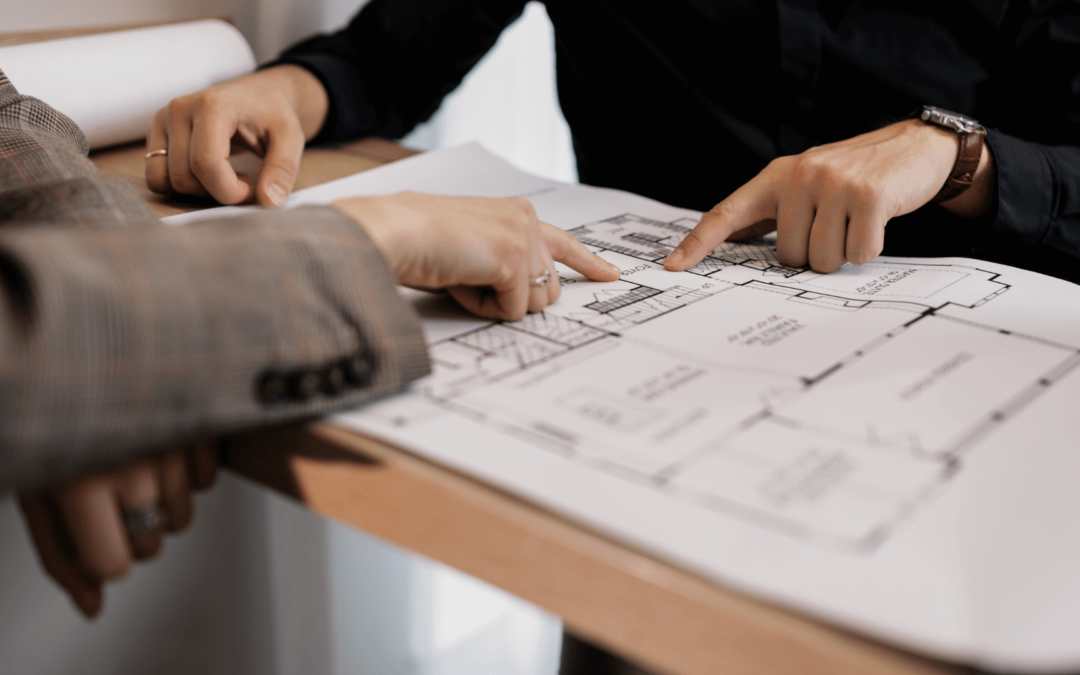
Your home’s floor plan is more than just a layout—it’s the blueprint for your daily life, reflecting your needs, preferences, and lifestyle. Whether you’re building a new home or remodeling an existing one, selecting the right floor plan is essential for creating a space that suits your family’s unique dynamics and activities. In this blog, we’ll explore valuable tips to help you find the perfect floor plan for your lifestyle. Here are some tips to help you find the perfect layout:
Assess Your Needs: Before diving into floor plan options, take time to assess your needs, preferences, and priorities. Consider factors such as family size, daily routines, entertaining habits, and future plans. Do you prefer open-concept living or defined spaces? How many bedrooms and bathrooms do you need? Understanding your lifestyle and requirements will guide your floor plan selection process.
Prioritize Functionality: Focus on functional spaces that align with your lifestyle and activities. Identify must-have features such as a spacious kitchen for cooking and entertaining, a dedicated home office or study area, ample storage for belongings, and flexible living spaces that accommodate various uses. Prioritizing functionality ensures that your home supports your daily routines and enhances your quality of life.
Consider Flow: Pay attention to the flow and circulation of spaces within the floor plan. Seek layouts that promote seamless movement between rooms and create logical pathways throughout the home. Consider how you’ll navigate the space on a daily basis and ensure that traffic flow is intuitive and unobstructed, enhancing convenience and comfort for occupants.
Plan Long-Term: When choosing a floor plan, think beyond your immediate needs and consider how your lifestyle may evolve over time. Will your family grow or shrink in the future? Do you anticipate aging in place or accommodating multigenerational living arrangements? Selecting a flexible floor plan that can adapt to changing needs ensures that your home remains functional and relevant for years to come.
Balance Privacy and Connectivity: Strike a balance between privacy and connectivity within the floor plan. While open-concept layouts promote social interaction and connectivity, they may lack privacy for certain activities. Evaluate the need for private spaces such as bedrooms, bathrooms, and quiet retreats, while also ensuring that communal areas facilitate interaction and connection among family members and guests.
Maximize Natural Light and Views: Optimize natural light and views throughout the home by strategically placing windows, doors, and skylights. Choose floor plans that maximize exposure to natural daylight and capitalize on scenic views of the surrounding landscape. Well-lit spaces not only enhance aesthetics but also promote health, productivity, and energy efficiency.
Customize to Your Taste: Don’t be afraid to customize the floor plan to suit your taste and lifestyle preferences. Many builders offer flexible floor plan options that allow for customization and personalization. Whether it’s expanding living spaces, adding bonus rooms, or modifying room layouts, tailor the floor plan to meet your specific needs and create a home that truly reflects your style and personality.
Explore Virtual Tours: Take advantage of technology by exploring virtual tours and 3D floor plan renderings to visualize potential layouts and configurations. Virtual tours allow you to experience the flow and spatial relationships of the floor plan firsthand, helping you make informed decisions and envision yourself living in the space before construction begins.
Trust Your Instincts: Ultimately, trust your instincts and intuition when selecting a floor plan. Listen to your gut feelings and emotional responses as you explore different layouts and envision yourself living in the space. Choose a floor plan that resonates with you on a personal level and reflects the lifestyle and values that are most important to you and your family.
By following these tips, you can find a floor plan that perfectly suits your lifestyle, creating a home where you’ll make cherished memories for years to come.
by alaskahome | May 8, 2024 | Uncategorized
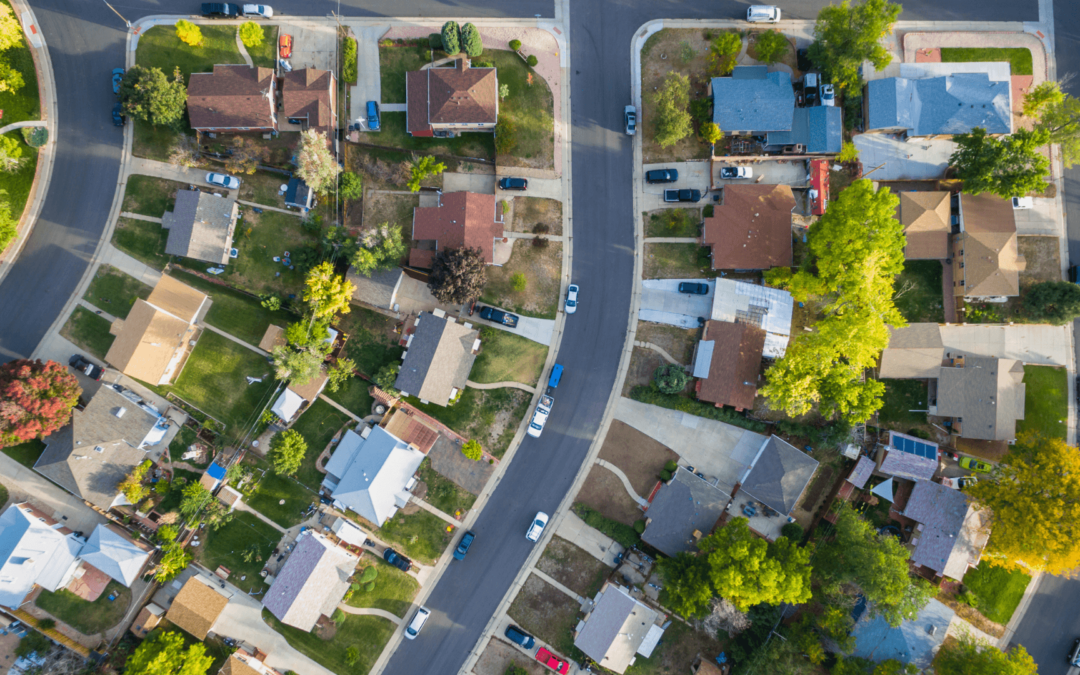
When selecting a new construction home, it’s not just about the house itself—it’s also about the neighborhood and community that surrounds it. Neighborhood amenities play a crucial role in shaping the quality of life for residents, offering convenience, recreation, and opportunities for social interaction. In this blog, we’ll explore key factors to consider when choosing a new construction community with desirable amenities.
1. Location, Location, Location:
The first consideration when evaluating neighborhood amenities is the location of the community. Look for neighborhoods that are conveniently situated near essential services such as grocery stores, schools, healthcare facilities, and public transportation. Proximity to major highways and employment centers can also impact commute times and overall convenience for residents.
2. Recreation and Leisure Facilities:
Community amenities that promote recreation and leisure are highly desirable for homeowners. Look for neighborhoods with parks, playgrounds, walking trails, and green spaces where residents can enjoy outdoor activities and connect with nature. Other amenities such as community pools, sports courts, and fitness centers provide opportunities for exercise and socialization close to home.
3. Education and Schools:
For families with children, the quality of nearby schools is a crucial factor to consider when choosing a new construction community. Research the reputation and performance of local schools, as well as any educational amenities such as preschools, daycare centers, and enrichment programs available within the neighborhood or nearby.
4. Shopping and Dining Options:
Access to shopping and dining amenities is essential for convenience and quality of life. Look for neighborhoods with retail centers, grocery stores, restaurants, and cafes within close proximity, offering a variety of options for dining, entertainment, and everyday necessities. Walkable communities with retail and dining destinations enhance the overall living experience for residents.
5. Community Events and Activities:
Community events and activities foster a sense of belonging and camaraderie among residents. Look for neighborhoods that host regular events such as farmers’ markets, festivals, concerts, and holiday celebrations, providing opportunities for social interaction and community engagement. Active homeowners’ associations (HOAs) or community centers may organize these events and activities to promote a vibrant community atmosphere.
6. Safety and Security:
Safety and security are paramount considerations when choosing a new construction community. Evaluate factors such as crime rates, lighting, sidewalks, and traffic patterns to ensure the neighborhood is safe and conducive to peaceful living. Gated communities, neighborhood watch programs, and security patrols may offer additional peace of mind for residents.
7. Pet-Friendly Features:
For pet owners, amenities that cater to furry friends are important considerations. Look for neighborhoods with dog parks, pet-friendly trails, and pet grooming stations where residents can exercise and socialize with their pets. Proximity to veterinary clinics, pet supply stores, and pet-friendly establishments adds convenience for pet owners and enhances the overall pet-friendly atmosphere of the community.
8. Environmental Sustainability:
Increasingly, homeowners are seeking neighborhoods that prioritize environmental sustainability and green living. Look for communities with green spaces, conservation areas, and sustainable design features such as energy-efficient homes, water conservation measures, and eco-friendly landscaping practices. Neighborhoods that embrace sustainability contribute to a healthier environment and promote a more sustainable way of life for residents.
9. Long-Term Appreciation Potential:
Finally, consider the long-term appreciation potential of the neighborhood amenities when choosing a new construction community. Well-maintained amenities, strong community engagement, and desirable location factors can contribute to the appreciation of property values over time, making the investment in a new construction home a sound financial decision for the future.
Neighborhood amenities play a significant role in shaping the desirability and livability of a new construction community. By considering factors such as location, recreation, education, shopping, safety, culture, pet-friendliness, sustainability, and long-term appreciation potential, prospective homeowners can make informed decisions and choose a neighborhood that aligns with their lifestyle, preferences, and aspirations.

by alaskahome | May 8, 2024 | Uncategorized
When it comes to purchasing a home, buyers are often faced with the choice between existing properties and new construction homes. While both options have their merits, new construction homes offer a host of unique benefits that make them worth considering. In this blog, we’ll delve into the advantages of buying new and why it’s an attractive option for prospective homeowners.
1. Customization and Personalization:
One of the most significant advantages of buying a new construction home is the opportunity for customization and personalization. From floor plans and finishes to fixtures and features, buyers have the freedom to tailor their home to their exact specifications and preferences, creating a living space that reflects their unique style and needs.
2. Modern Design and Features:
New construction homes are built with the latest design trends and features, incorporating modern amenities and technologies that enhance comfort, convenience, and efficiency. From open-concept layouts and high ceilings to energy-efficient appliances and smart home systems, new homes offer a contemporary lifestyle that meets the demands of today’s homeowners.
3. Energy Efficiency and Sustainability:
Advancements in building materials and construction techniques have made new homes more energy-efficient and environmentally friendly than ever before. From enhanced insulation and high-performance windows to solar panels and geothermal heating, new construction homes are designed to minimize energy consumption, reduce utility costs, and lower environmental impact, offering long-term savings and sustainability.
4. Warranty and Peace of Mind:
New construction homes typically come with warranties that provide peace of mind to buyers. Builders often offer structural warranties covering the home’s foundation, roof, and other major components, as well as warranties for workmanship and materials. These warranties protect buyers against defects and issues that may arise after move-in, providing assurance and financial protection.
5. Reduced Maintenance and Repairs:
Unlike older homes that may require extensive maintenance and repairs, new construction homes are built with durable materials and modern systems that require less upkeep over time. With brand-new appliances, plumbing, electrical, and HVAC systems, buyers can enjoy a lower maintenance burden and fewer unexpected expenses, allowing them to focus on enjoying their home rather than worrying about repairs.
6. Community Amenities and Lifestyle:
Many new construction developments offer desirable amenities and lifestyle features that enhance the overall living experience. From community parks and playgrounds to fitness centers and walking trails, these amenities promote community engagement, social interaction, and an active lifestyle, creating a sense of belonging and camaraderie among residents.
7. Move-In Ready Convenience:
With a new construction home, buyers can enjoy the convenience of a move-in ready property without the need for extensive renovations or updates. Everything from the paint color to the flooring is brand new and ready for immediate occupancy, allowing buyers to settle in and start making memories in their new home right away.
Ultimately, buying a new construction home offers a myriad of benefits, from customization and energy efficiency to peace of mind and move-in ready convenience. With modern design, advanced features, and warranty protection, new homes provide an opportunity to build the future and create a living space that meets the needs and aspirations of today’s homeowners. If you’re in the market for a home, consider the many advantages of buying new construction—it may be the perfect option for you.

by alaskahome | May 8, 2024 | Uncategorized
In today’s world, sustainability is no longer just a buzzword—it’s a guiding principle shaping the way we design, build, and live in our homes. As awareness of environmental issues grows, so does the demand for eco-friendly and energy-efficient housing solutions. In this blog, we’ll explore the latest green building trends and sustainable features that prospective buyers should look for when considering new construction homes.
1. Energy-Efficient Design:
One of the hallmarks of green building is energy efficiency. Look for homes that incorporate passive solar design principles, such as orientation to maximize natural light and heat gain in the winter while minimizing heat gain in the summer. Energy-efficient windows, insulation, and HVAC systems are also key components to reducing energy consumption and lowering utility bills.
2. Renewable Energy Sources:
Many new construction homes are integrating renewable energy sources such as solar panels, wind turbines, or geothermal heating and cooling systems. These technologies harness natural resources to generate clean, sustainable energy, reducing reliance on fossil fuels and decreasing carbon emissions.
3. High-Performance Building Materials:
Opting for environmentally friendly building materials is another important consideration in green construction. Look for homes constructed with sustainable materials such as recycled steel, reclaimed wood, bamboo flooring, and low-VOC paints and finishes. These materials minimize environmental impact while promoting indoor air quality and occupant health.
4. Water Conservation Features:
Water efficiency is a crucial aspect of green building. Seek out homes with water-saving fixtures and appliances, such as low-flow toilets, showerheads, and faucets. Additionally, landscaping designed with native, drought-tolerant plants and rainwater harvesting systems can further reduce water usage and promote sustainable landscaping practices.
5. Smart Home Technology:
Integrating smart home technology into new construction homes enhances both comfort and efficiency. Look for features such as programmable thermostats, smart lighting systems, and energy monitoring tools that allow homeowners to optimize energy usage, reduce waste, and lower utility costs with the touch of a button.
6. Passive House Principles:
Passive house design principles prioritize energy efficiency, comfort, and indoor air quality through a combination of insulation, air sealing, and mechanical ventilation. Homes built to passive house standards achieve ultra-low energy consumption and provide superior thermal comfort year-round, making them a desirable option for environmentally conscious buyers.
7. Green Roofing and Insulation:
Green roofing systems, which incorporate living vegetation into the roof structure, offer numerous environmental benefits, including improved insulation, stormwater management, and air quality. Additionally, eco-friendly insulation materials such as recycled denim, cellulose, or spray foam provide effective thermal performance while minimizing environmental impact.
8. Indoor Air Quality Enhancements:
Indoor air quality is a critical consideration for health and comfort. Look for new construction homes equipped with advanced ventilation systems, air filtration, and materials that emit low levels of volatile organic compounds (VOCs). These features help maintain a healthy indoor environment by reducing allergens, pollutants, and toxins.
9. LEED and Energy Star Certification:
Seek out new construction homes that are certified by reputable green building programs such as LEED (Leadership in Energy and Environmental Design) and Energy Star. These certifications validate a home’s performance, sustainability, and energy efficiency, providing assurance to buyers that their home meets rigorous environmental standards.
10. Sustainable Landscaping Practices:
Lastly, consider the outdoor environment when evaluating green features in new construction homes. Sustainable landscaping practices such as xeriscaping, native plantings, permeable paving, and efficient irrigation systems promote water conservation, biodiversity, and habitat preservation while enhancing curb appeal and outdoor living spaces.
In conclusion, green building trends and sustainable features are revolutionizing the way we approach home construction, offering eco-friendly solutions that benefit both homeowners and the planet. By prioritizing energy efficiency, renewable resources, indoor air quality, and environmental stewardship, new construction homes can offer a greener, healthier, and more sustainable living environment for generations to come.