
by alaskahome | May 8, 2024 | Uncategorized
Selecting the right builder is one of the most crucial decisions you’ll make in this journey. Your builder will not only construct the physical structure of your home but also play a significant role in shaping your overall experience throughout the building process.
Here are some essential tips to help you choose the perfect builder for your dream home:
Do Your Research: Begin by researching builders in your area who specialize in the type of home you envision. Explore their portfolios, read client testimonials, and visit homes they’ve built to assess the quality of their workmanship and design style. Look for builders with a solid reputation, extensive experience, and a track record of delivering exceptional results.
Define Your Needs and Budget: Before looking for builders, clearly define your needs, preferences, and budget for your dream home. Consider factors such as size, layout, architectural style, and desired amenities. Being able to communicate your vision and budget upfront will help prospective builders provide accurate estimates and tailor their services to meet your specific requirements.
Verify Credentials and Licenses: Ensure that any builder you consider is properly licensed, bonded, and insured to perform residential construction in your area. Verify their credentials with local regulatory agencies and professional associations to confirm their qualifications and compliance with industry standards and regulations. Your New Construction Guide will be a great help with this piece!
Schedule Consultations: Once you’ve narrowed down your list of potential builders, your New Construction Guide will schedule consultations to discuss your project in detail. Use this opportunity to ask questions, share your vision, and assess the builder’s communication style, responsiveness, and willingness to listen to your ideas and concerns. Pay attention to how well you connect with the builder on a personal level, as a strong rapport is essential for a successful partnership.
Evaluate Past Projects and References: Request references from past clients and ask builders to provide examples of similar projects they’ve completed. Take the time to visit these homes and speak with homeowners about their experiences working with the builder. Inquire about the builder’s professionalism, reliability, craftsmanship, and ability to stay within budget and timeline constraints.
Review Contracts and Warranties: Before signing any contracts, carefully review all terms and conditions, including payment schedules, project timelines, change order procedures, and warranty coverage. Ensure that the contract clearly outlines all aspects of the project, including materials, specifications, and responsibilities of both parties, to avoid misunderstandings or disputes later on. Again, your New Construction Guide will be able to help tremendously with this step.
Seek Transparency and Communication: Choose a builder who prioritizes transparency and open communication throughout the building process. Establish clear channels of communication and set expectations for regular progress updates, onsite meetings, and decision-making procedures. A builder who keeps you informed and involved every step of the way will help alleviate stress and ensure a smoother construction experience.
Trust Your Instincts: Ultimately, trust your instincts when selecting a builder for your dream home. Choose someone who shares your vision, values your input, and inspires confidence with their expertise, professionalism, and integrity. Building a home is a significant investment, both financially and emotionally, so it’s essential to choose a builder you trust to bring your dream to life.
By following these tips and conducting thorough research and due diligence, you can confidently select the perfect builder to partner with you in building your dream home. With the right builder by your side, you’ll embark on an exciting journey towards creating a place where you’ll make cherished memories for years to come.

by alaskahome | Apr 13, 2024 | Uncategorized
Congratulations on your decision to build a new home! One of the most exciting aspects of the home-building process is selecting the upgrades that will transform your house into a personalized sanctuary. However, with countless options available, it can be overwhelming to determine which upgrades are worth the investment. Fear not! In this guide, we’ll walk you through the steps to choosing the perfect upgrades for your new home.
Prioritize Your Needs and Wants:
Start by making a list of must-have features and desirable upgrades. Consider your lifestyle, preferences, and budget constraints. Are you an avid chef who dreams of a gourmet kitchen? Do you crave a spa-like bathroom retreat? Prioritize upgrades that will enhance your daily life and add value to your home.
Set a Realistic Budget:
Establishing a budget is essential to avoid overspending on upgrades. Determine how much you’re willing to allocate for upgrades and stick to it. Keep in mind that some upgrades may have a higher return on investment than others, so allocate your budget wisely.
Focus on Functionality:
When choosing upgrades, prioritize functionality over aesthetics. Invest in upgrades that improve the functionality and efficiency of your home. This could include energy-efficient appliances, upgraded insulation, or smart home technology. Functional upgrades not only enhance your quality of life but also contribute to long-term savings on utility bills.
Consider Resale Value:
While you’re building your dream home, it’s sometimes hard to imagine ever leaving it. There may come a time when you need to upgrade or relocate again in the future. It’s wise to consider the potential resale value of your selections. Opt for timeless finishes and designs that will withstand the test of time and can be appreciated by a potential buyer in the future.
Consult with Your Builder:
Your builder is a valuable resource when selecting upgrades for your new home. They can provide insight into the latest trends, quality of materials, and cost-effective options. Schedule a consultation with your builder to discuss upgrade possibilities and get expert advice on making the best choices for your home.
Research and Compare Options:
Do your homework before making any upgrade decisions. Research different materials, brands, and pricing options to ensure you’re getting the best value for your investment. Don’t be afraid to shop around and compare quotes from multiple vendors to find the right balance of quality and affordability.
Be Selective:
While it may be tempting to splurge on every upgrade available, be selective in your choices. Focus on upgrades that align with your priorities and add genuine value to your home. Remember, you can always add more upgrades in the future as your budget allows.
In conclusion, choosing upgrades for your new home is an exciting opportunity to personalize your space and enhance its functionality. By prioritizing your needs, setting a realistic budget, and consulting with your builder, you can make informed decisions that will transform your house into the home of your dreams. Happy upgrading!
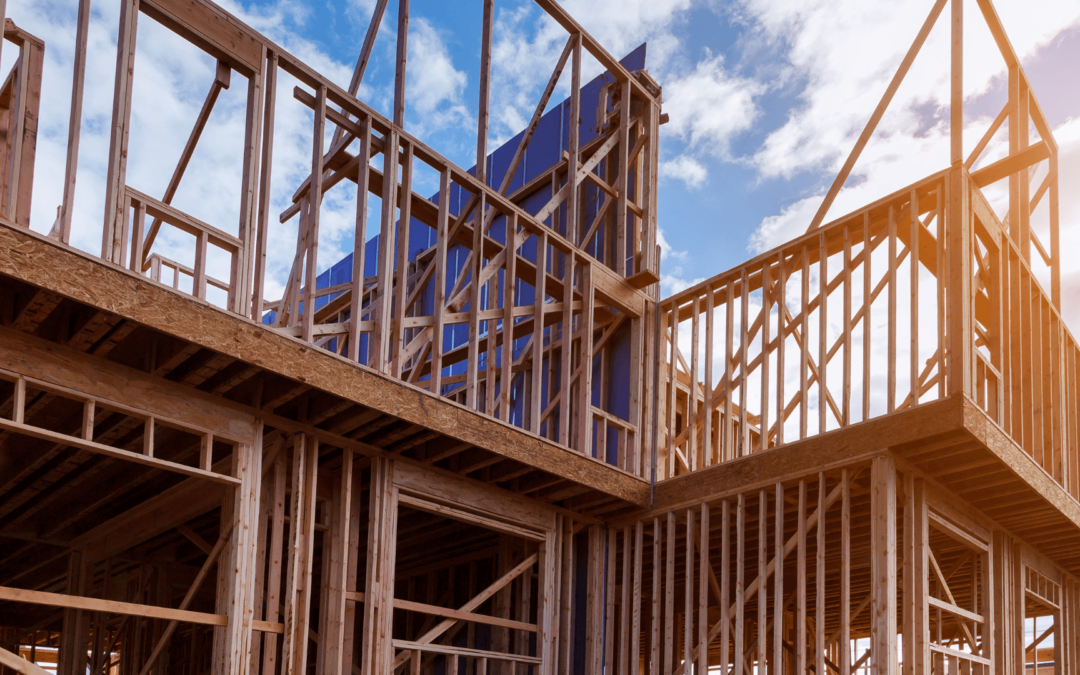
by alaskahome | Apr 13, 2024 | Uncategorized
Building a home is an exciting journey that offers the opportunity to create a space that truly reflects your lifestyle and preferences. However, it’s also a complex process that requires careful planning and consideration. Whether this is your first time building a home, or if you’re a seasoned professional, here are some essential things you should know before embarking on your home-building adventure.
Define Your Needs and Wants:
As with any home purchase, it’s advisable to create a wishlist of items that your dream home has to have. Define the “must-have” features and desirable amenities to guide your decision-making process. When you meet with your builder, share this list so you can work together to create a space that fits your vision. Consider factors such as location, size, layout, and design style.
Set a Realistic Budget:
Knowing your budget is crucial when building a home. Determine how much you’re willing to spend on construction costs, land acquisition, permits, and upgrades. Be sure to account for unexpected expenses and buffer your budget accordingly.
Choose the Right Location:
Location is key when building a home. Consider factors such as proximity to schools, work, amenities, and community resources. Research zoning regulations, neighborhood restrictions, and property taxes in your desired area to ensure it aligns with your lifestyle and long-term goals.
Find the Right Builder:
Selecting the right builder is perhaps the most important decision you’ll make during the home-building process. Do your research, ask for recommendations, and interview multiple builders before making a decision. Look for a reputable builder with experience, expertise, and a track record of delivering quality craftsmanship.
Understand the Timeline:
Building a home is a time-consuming process that requires patience and flexibility. Understand that construction timelines can vary depending on factors such as weather, permit approvals, and contractor availability. Work closely with your builder to establish realistic expectations and milestones for completion.
Consider Energy Efficiency:
Incorporating energy-efficient features into your home can save you money on utility bills and reduce your environmental footprint. Consider upgrades such as high-performance insulation, energy-efficient windows, and solar panels to enhance the efficiency of your home.
Plan for Future Needs:
When designing your home, think long-term and consider how your needs may evolve over time. Incorporate flexible spaces, universal design features, and aging-in-place considerations to ensure your home remains functional and comfortable for years to come.
Stay Involved and Communicate:
Building a home is a collaborative process that requires open communication between you and your builder. Stay involved in the decision-making process, ask questions, and provide feedback throughout the construction process. Regular communication will help ensure that your vision is realized and that any issues are addressed promptly.
Building a home is a significant investment of time, money, and effort, but with careful planning and preparation, it can also be a rewarding experience. By understanding these key considerations and working closely with your builder, you can turn your dream home into a reality that you’ll cherish for years to come.

by alaskahome | Apr 13, 2024 | Uncategorized
Interior design is more than just arranging furniture and choosing paint colors; it’s about creating a space that reflects your personality, enhances functionality, and evokes happiness. Whether you’re decorating a new home or refreshing an existing space, interior design offers endless opportunities for creativity and self-expression. In this blog, we’ll dive into the world of interior design and explore tips, trends, and inspiration for transforming your space into an atmosphere of style and comfort.
Start with a Vision:
Before diving into the design process, take the time to envision the look and feel you want to achieve for your space. Consider factors such as your personal preferences, lifestyle, and the function of the room. Browse design magazines, websites, and social media platforms for inspiration. Pinterest is a really great tool to pin your favorite looks to an organized vision board.
Focus on Functionality:
While aesthetics are important, functionality should always be a top priority in interior design. Consider how you use the space and tailor the design to meet your needs and lifestyle. Arrange furniture to encourage smooth traffic flow and create functional zones for different activities. Incorporate storage solutions to keep clutter at bay and maximize space utilization.
Choose a Cohesive Color Palette:
Color sets the tone for your space and can significantly impact its ambiance and mood. Choose a cohesive color palette that reflects your personal style and complements the overall aesthetic of your home. Consider factors such as natural light, room size, and existing decor when selecting colors. Experiment with different shades and tones to create depth and visual interest.
Layer Textures and Patterns:
Texture and pattern add depth and dimension to your space, making it visually interesting. Mix and match different textures such as wood, metal, glass, and fabric to add warmth and character to your space. Experiment with patterns such as stripes, florals, and geometrics to inject personality and personality into your design.
Balance Proportion and Scale:
Achieving balance in interior design is essential for creating a harmonious and visually pleasing space. Pay attention to proportion and scale when selecting furniture and decor items. Choose pieces that are appropriately sized for the room and avoid overcrowding or overwhelming the space.
Pay Attention to Lighting:
Lighting plays a crucial role in interior design, influencing both the functionality and ambiance of your space. Incorporate a mix of natural and artificial lighting to create layers of illumination and enhance the mood of your space. Consider factors such as task lighting, ambient lighting, and accent lighting to provide adequate illumination for different activities to create the desired atmosphere.
Add Personal Touches:
Make your space truly your own by adding personal touches and meaningful decor items that reflect your personality and interests. Display family photos, artwork, and treasured mementos to infuse your space with warmth and character. Incorporate elements that tell your story and evoke memories, creating a space that feels uniquely yours.
Embrace Sustainability:
Incorporating sustainable and eco-friendly design practices into your interior design can help reduce your environmental footprint and create a healthier, more sustainable home. Choose eco-friendly materials such as reclaimed wood, recycled glass, and low-VOC paints to minimize environmental impact and promote indoor air quality. Consider energy-efficient appliances, lighting, and insulation to reduce energy consumption and lower utility bills.
In conclusion, interior design is a powerful tool for transforming your space and creating a home that reflects your personality, lifestyle, and values. By starting with a clear vision, focusing on functionality, and incorporating elements of balance, texture, and personalization, you can create a space that is both stylish and functional. With creativity, inspiration, and a little bit of imagination, the possibilities for interior design are endless.

by alaskahome | Apr 13, 2024 | Uncategorized
Embarking on a new construction project is an exciting endeavor, but it’s not without its challenges. Delays are a common occurrence in the construction industry and can arise due to a variety of factors, ranging from weather conditions to unforeseen site issues. In this blog, we’ll explore some of the common delays in new construction projects and offer insights on how to navigate them effectively.
Permitting and Regulatory Approvals:
One of the first hurdles in any new construction project is obtaining the necessary permits and regulatory approvals. Delays in the permitting process can occur due to bureaucratic red tape, zoning restrictions, or changes in building codes. To avoid delays, it’s essential to start the permitting process early and work closely with local authorities to ensure that all requirements are met in a timely manner.
Weather Conditions:
Weather conditions play a significant role in construction timelines, especially for outdoor projects. Rain, snow, extreme temperatures, and high winds can all impact construction progress and lead to delays. While it’s impossible to control the weather, builders can mitigate the impact of adverse conditions by incorporating weather contingency plans into their schedules and taking proactive measures to protect the work site during inclement weather.
Material and Supply Chain Issues:
Delays in the delivery of materials and supplies can disrupt construction schedules and cause project delays. Supply chain disruptions, manufacturing delays, and shortages of key materials can all contribute to delays in new construction projects. Builders endeavor to minimize the risk of material delays by sourcing materials from reliable suppliers, maintaining open lines of communication with vendors, and having backup plans in place for sourcing alternative materials if needed.
Labor Shortages and Skill Gaps:
The construction industry is facing a shortage of skilled labor in many regions, which can lead to delays in new construction projects. Shortages of skilled workers such as carpenters, plumbers, and electricians can slow down progress and extend construction timelines. Builders can address labor shortages by investing in training and development programs, offering competitive wages and benefits, and fostering a positive work environment to attract and retain skilled workers.
Design Changes:
Design changes, additions, and revisions can impact construction schedules. Some changes require additional permits, material, and labor, all of which can extend the build timeline. To minimize delays, it’s essential to finalize the design before construction begins. It’s best to ask questions, conduct research and collect enough information to make informed decisions before the build has begun.
Site Conditions and Unforeseen Issues:
Unforeseen site conditions, such as unstable soil, environmental hazards, or underground utilities, can present challenges during construction and lead to delays. Site surveys, soil testing, and thorough site assessments can help identify potential issues early in the process.
Coordination and Communication Challenges:
Prompt communication between the builder and the buyer are crucial in avoiding delays. Just as the builder should be receptive to the client’s concerns, the client should promptly address any matters needing attention. For example, if there’s a fixture out of stock, the buyer will need to make an alternative selection quickly in order to prevent a halt. The builder’s responsibility is also to maintain a consistent flow between their subcontractors and suppliers. Any delays or shortages should find alternative solutions quickly. Additionally, regular progress meetings, clear project documentation, and open lines of communication can help prevent misunderstandings and ensure that everyone is aligned on project goals and timelines.
In conclusion, while delays are an inevitable part of the construction process, they can be managed and mitigated with careful planning, proactive communication, and a collaborative approach among all parties. By understanding the common causes of delays in new construction projects and taking proactive measures to address them, builders can minimize disruptions and keep construction projects moving forward smoothly and efficiently.