
by alaskahome | Apr 13, 2024 | Uncategorized
Choosing the right builder is one of the most important decisions you’ll make when building your dream home. To ensure a successful construction process, it’s essential to ask your builder the right questions upfront. Before asking the builder questions, conduct some research in advance. If you already have a location or a design in mind for your home, interview a builder who aligns with your vision. View their portfolio, do they build the style of home that you’re looking for? Are they currently building in your desired area? When you find these answers, look for reviews from past clients to assess the quality of their workmanship. Once you have your options narrowed down, it’s time to interview the builder. From experience and qualifications to timelines and warranties, here are some top questions to ask your builder before starting your home-building journey.
What is your experience and qualifications?
Inquire about your builder’s experience and qualifications in the industry. Ask about their credentials, certifications, and memberships in professional organizations. A builder with a solid track record and a long history of experience is more likely to deliver a successful construction project.
What is included in the contract and pricing?
Review the contract carefully and clarify any questions or concerns before signing. Ask your builder to provide a detailed breakdown of costs, including materials, labor, permits, and any additional fees. Be sure to inquire about allowances for finishes and upgrades and how change orders will affect the price and timeline.
How do you handle change orders and customization requests?
Discuss how your builder handles change orders and customization requests during the construction process. Ask about the process for requesting changes, the associated costs, and any implications for the project timeline. Clear communication and transparency are key to avoiding misunderstandings and delays.
What is the estimated timeline for completion?
Understanding the timeline for your construction project is essential for planning purposes and managing expectations. Ask your builder for an estimated timeline for completion, including key milestones and deadlines. Be sure to inquire about potential factors that could affect the timeline, such as weather delays or permit approvals.
How do you handle communication and project management?
Clear communication and effective project management are crucial for a smooth construction process. Ask your builder how they handle communication with clients, subcontractors, and suppliers. Inquire about their project management practices, timelines, and scheduling procedures to ensure that your project stays on track.
Do you offer warranties and post-construction support?
Inquire about warranties for materials and workmanship and ask for details on post-construction support and maintenance. A reputable builder should stand behind their work and offer warranties to protect your investment. Be sure to understand the terms and duration of any warranties provided.
What is your approach to sustainability and energy efficiency?
If sustainability and energy efficiency are important to you, inquire about your builder’s approach to green building practices. Ask about energy-efficient features, sustainable materials, and environmentally friendly construction techniques that can help reduce your home’s environmental footprint and lower utility bills.
In conclusion, asking the right questions is essential for selecting the right builder and ensuring a successful home-building experience. By discussing key considerations such as experience, qualifications, timelines, pricing, warranties, and sustainability practices, you can make an informed decision and embark on your home-building journey with confidence and peace of mind.

by alaskahome | Apr 13, 2024 | Uncategorized
Embarking on the journey of building a new home is an exciting endeavor filled with endless possibilities and the promise of creating a space that is uniquely yours. To some, the new construction process can be overwhelming without proper guidance. In this blog, we’ll walk you through the step-by-step process of building a new home to help you navigate each stage with confidence and clarity.
Establishing Your Vision and Budget:
The first step in the new construction process is to establish your vision for your dream home and determine your budget. Consider factors such as architectural style, layout, size, and desired features. Work closely with your builder, architect, or design professional to create a plan that aligns with your vision and budget constraints.
Finding the Right Location:
Once you have a clear vision for your new home, the next step is to find the perfect location. Consider factors such as neighborhood amenities, school districts, proximity to work, and land availability. Work with a real estate agent or land developer to explore potential sites and identify the ideal location for your new home.
Securing Financing:
Before construction can begin, you’ll need to secure financing for your new home. Meet with lenders to explore mortgage options, pre-approval requirements, and financing terms. Be sure to provide all necessary documentation and information to streamline the financing process and ensure a smooth transition to construction.
Designing Your Home:
With financing in place, it’s time to start designing your new home. Work closely with your architect, builder, or design professional to develop detailed plans and blueprints that bring your vision to life. Consider factors such as layout, floor plan, architectural style, and interior finishes. Be open to feedback and revisions to ensure that your design meets your needs and exceeds your expectations.
Obtaining Permits and Approvals:
Before construction can commence, you’ll need to obtain the necessary permits and approvals from local authorities. Your builder or general contractor will handle the permitting process on your behalf, ensuring that all necessary permits are obtained and inspections are scheduled according to local regulations and building codes.
Breaking Ground and Construction:
With permits in hand, it’s time to break ground and begin construction on your new home. This phase of the process typically involves site clearing, foundation pouring, framing, roofing, plumbing, electrical work, insulation, drywall installation, and interior finishes. Your builder will oversee the construction process and keep you informed of progress every step of the way.
Final Inspections and Walk-Through:
As construction nears completion, your builder will schedule final inspections to ensure that your new home meets all quality and safety standards. This is the time to have an independent home inspection if you would like to have one completed. Once inspections are passed and any necessary corrections are made, you’ll have the opportunity to conduct a final walk-through of your home with your builder. During the walk-through, inspect every detail of your home and address any questions or concerns with your builder.
Closing and Move-In:
After final inspections and walk-throughs are complete, it’s time to close on your new home and move in! Work with your lender, real estate agent, and closing attorney to finalize paperwork, sign closing documents, and transfer ownership of the property. Once closing is complete, you’ll receive the keys to your new home and can begin the exciting process of settling in and making it your own.
In conclusion, building a new home is a rewarding and fulfilling experience that requires careful planning, coordination, and attention to detail. By following these steps and working closely with your builder, architect, and design professionals, you can navigate the new construction process with confidence and clarity, ensuring that your dream home becomes a reality that you’ll cherish for years to come.

by alaskahome | Apr 13, 2024 | Uncategorized
Congratulations on your new home! Now that you’ve settled into your dream space, it’s important to keep it in pristine condition to protect your investment and ensure long-term enjoyment. From routine maintenance tasks to proactive care, here are some essential tips for maintaining your new home and preserving its beauty and functionality for years to come.
Establish a Regular Maintenance Schedule:
Create a maintenance schedule to stay organized and ensure that important tasks are completed on time. Divide tasks into monthly, quarterly, bi-annual, and annual categories to address both routine and seasonal maintenance needs. Be sure to include tasks such as HVAC filter replacement, gutter cleaning, and lawn care to keep your home in top condition year-round.
Perform Routine Inspections:
Regular inspections are key to identifying potential issues early and addressing them before they escalate into costly repairs. Conduct visual inspections of your home’s exterior and interior components, including roofing, siding, windows, doors, plumbing, and electrical systems. Look for signs of damage, wear and tear, or pest infestations, and address any issues promptly to prevent further damage.
Keep Up with Cleaning:
Maintaining a clean and tidy home not only enhances its appearance but also helps prevent damage and deterioration. Develop a cleaning routine that includes dusting, vacuuming, mopping, and disinfecting surfaces on a regular basis. Pay special attention to high-traffic areas, kitchens, bathrooms, and frequently used appliances to keep them clean and sanitary. Clean up spills or wet areas promptly to preserve the integrity of the flooring and prevent mold.
Preserve Your Landscaping:
Maintaining your landscaping is essential for curb appeal and property value. Regularly mow the lawn, trim shrubs and trees, and remove weeds to keep your yard looking neat and well-maintained. Consider investing in a seasonal landscaping plan to address fertilization, irrigation, and pest control needs throughout the year.
Address Maintenance Issues Promptly:
Don’t procrastinate when it comes to addressing maintenance issues in your home. Whether it’s a leaky faucet, a malfunctioning heating system, or a cracked window, address problems promptly to prevent them from worsening and causing further damage. Regularly check for signs of water damage, mold growth, and structural issues, and consult with professionals as needed to resolve issues effectively.
Plan for Seasonal Maintenance:
Seasonal maintenance tasks are essential to prepare your home for changing weather conditions and protect it from seasonal hazards. In the fall, clean gutters, inspect the roof, and disconnect hoses from spouts. In the spring, clean outdoor spaces, service HVAC systems, and if you have a crawlspace, regularly make sure there’s no standing water. By staying ahead of seasonal maintenance tasks, you can ensure that your home is prepared for whatever the weather brings.
Invest in Preventative Maintenance:
Consider investing in preventative maintenance programs, home warranties, or service contracts to protect your home’s major systems and appliances. Many providers offer plans that cover routine maintenance, inspections, and repairs for HVAC, plumbing, electrical, and appliance systems, helping to prevent unexpected breakdowns and costly repairs.
Stay Educated and Informed:
Stay informed about your home’s maintenance needs by reading owner’s manuals, attending educational workshops, and consulting with professionals as needed. Take advantage of online resources, community seminars, and homeowner associations to stay up-to-date on best practices and industry trends. By staying educated and informed, you can make informed decisions and effectively maintain your home for years to come.
In conclusion, maintaining your new home requires diligence, dedication, and attention to detail. By establishing a regular maintenance schedule, performing routine inspections, and addressing issues promptly, you can keep your home in pristine condition and ensure that it remains a comfortable and inviting space for you and your family to enjoy for years to come.

by alaskahome | Apr 13, 2024 | Uncategorized
In the quest for the perfect home, buyers often find themselves weighing the benefits and drawbacks of new construction properties. New builds offer a unique set of advantages and challenges. Let’s delve into the pros and cons of new construction homes to help you make an informed decision.
Pros:
Modern Amenities: New construction homes often come equipped with the latest features and amenities, from energy-efficient appliances to smart home technology. This ensures convenience and financial savings for homeowners from day one.
Customization Options: Building a new home allows for greater customization, enabling buyers to tailor the design and layout to their preferences. From selecting finishes to floor plans, you have the opportunity to create a space that is uniquely yours.
Warranty Protection: Most new construction homes come with warranties that cover structural defects and major systems, providing peace of mind for buyers. Additionally, you have the option to purchase a supplemental home warranty from a third party that can cover any discrepancies in the builder warranty. This protection can save buyers from unexpected repair costs in their first years of home ownership.
Energy Efficiency: New homes are built with energy-efficient materials and construction techniques, resulting in lower utility bills and reduced environmental impact. From enhanced insulation to high-efficiency HVAC systems, new builds prioritize sustainability.
Cons:
Cost: New construction homes often come with a higher price tag compared to existing properties. Factors such as land acquisition, construction materials, and labor costs contribute to the overall expense. Buyers should carefully consider their budget and financing options before committing to a new build.
Timeline: Building a home from the ground up can take nearly a year or more. Have honest conversations with your builder to fully understand their estimated commitment for the timeline of your home. If you’re on a shorter timeline, look for available homes already under construction. There still may be time to make selections to finishes, allowing you to still include your personal flare.
Construction Delays: Building a new home can be subject to delays due to weather, material shortages, or contractor scheduling conflicts. Delays in the construction timeline can disrupt moving plans and lead to frustration for buyers.
Limited Location Options: New construction developments are typically found in emerging or suburban areas, limiting options for buyers who prefer established neighborhoods or urban settings. Consider whether the location aligns with your lifestyle and preferences before committing to a new build.
Potential for Unknown Issues: Despite thorough inspections and quality control measures, new construction homes may still encounter unforeseen issues or defects, as with any home purchase. Although the homes are built to code, we recommend still having a residential home inspection. The home inspector will be another set of qualified eyes on the home. They can provide recommendations to protect buyer’s interests, ensuring the longevity of their investment.
In conclusion, new construction homes offer a range of benefits, from modern amenities to customization options, but they also come with considerations such as cost and potential construction delays. Ultimately, the decision to pursue a new build should be based on your individual priorities, budget, and long-term goals. By weighing the pros and cons carefully, you can make an informed choice that aligns with your vision of homeownership.
by alaskahome | Apr 13, 2024 | Uncategorized
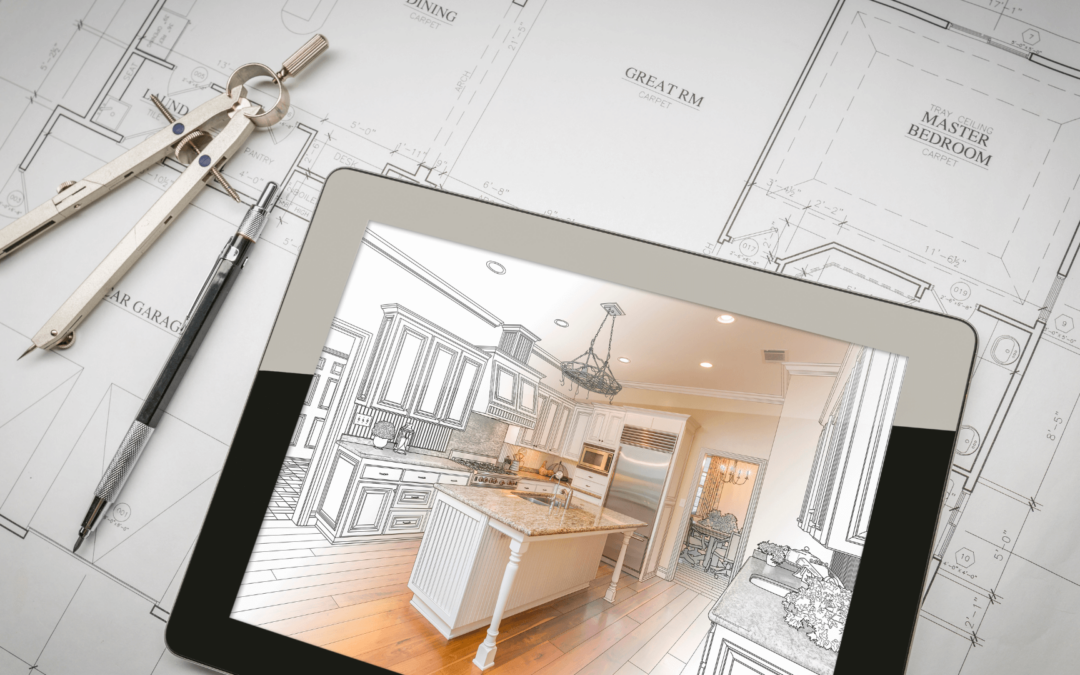
When embarking on a new construction project or renovating an existing home, incorporating upgrades can add value, functionality, and personalization to your space. From luxurious finishes and modern amenities to energy-efficient features and smart technology, there are endless possibilities for enhancing your home with upgrades. In this blog, we’ll explore some common upgrades and pricing considerations to help you make informed decisions and create the home of your dreams.
Kitchen Upgrades:
The kitchen is often the heart of the home and a focal point for both entertaining and everyday living. Common kitchen upgrades include high-end appliances, custom cabinetry, granite or quartz countertops, and designer fixtures. Pricing for kitchen upgrades can vary widely depending on the quality of materials, size of the space, and level of customization. Budget-conscious options such as laminate countertops and standard appliances can offer cost savings without compromising on style or functionality.
Bathroom Upgrades:
Bathrooms are another area where upgrades can make a significant impact on both aesthetics and functionality. Popular bathroom upgrades include walk-in showers, soaking tubs, double vanities, and heated floors. Pricing for bathroom upgrades can range from moderate to high depending on the complexity of the project and the quality of materials chosen. Opting for durable and low-maintenance materials such as fiberglass shower inserts and solid-surface countertops can help maximize value and longevity.
Flooring Upgrades:
Upgrading flooring is a surefire way to enhance the look and feel of your home while adding durability and value. Common flooring upgrades include hardwood flooring, ceramic or porcelain tile, luxury vinyl plank, and natural stone. Pricing for flooring upgrades can vary depending on the type of material, installation method, and size of the space. While hardwood flooring tends to be more expensive upfront, it can add timeless elegance and resale value to your home.
Energy-Efficient Features:
Incorporating energy-efficient features into your home can help reduce utility costs and minimize your environmental footprint. Common energy-efficient upgrades include insulated windows, high-efficiency HVAC systems, LED lighting, and programmable thermostats. While the upfront cost of energy-efficient upgrades may be higher, the long-term savings on utility bills can offset the initial investment, making them a smart choice for homeowners looking to maximize value and sustainability.
Smart Home Technology:
Integrating smart home technology into your construction project can enhance convenience, security, and comfort. Common smart home upgrades include smart thermostats, video doorbells, smart locks, and whole-home automation systems. Pricing for smart home technology can vary depending on the complexity of the system and the number of devices installed. While smart home upgrades may require an upfront investment, they can add convenience and peace of mind while increasing the resale value of your home.
Outdoor Living Spaces:
Creating inviting outdoor living spaces can extend your home’s living area and enhance its curb appeal. Common outdoor upgrades include patio or deck installations, outdoor kitchens, fire pits, and landscaping enhancements. Pricing for outdoor living upgrades can vary depending on the size of the space, choice of materials, and scope of the project. Investing in low-maintenance landscaping and durable outdoor furniture can help maximize enjoyment and minimize upkeep.
In conclusion, incorporating upgrades into your construction project can enhance the beauty, functionality, and value of your home while reflecting your personal style and preferences. By carefully considering common upgrades and pricing considerations, you can make informed decisions that align with your budget and lifestyle goals. Whether you’re renovating an existing home or building a new one, upgrading key areas of your home can create a space that you’ll love for years to come.