by alaskahome | Feb 10, 2025 | Uncategorized
Alaska is a land of vast opportunities and stunning landscapes, making it an attractive place for homebuyers and investors. Whether you are a first-time home buyer in Alaska, considering purchasing land, or simply curious about how much property in Alaska costs, understanding the Alaskan real estate market is essential. The process of how to buy property in Alaska requires careful consideration of several factors, such as climate adaptability, financing options, and infrastructure accessibility. Since Alaska’s market differs significantly from the lower 48 states, prospective buyers must conduct thorough research to determine the best investment opportunities. Buyers must also be prepared for unique challenges, including seasonal fluctuations in property availability and the need for specialized home features like high insulation and efficient heating systems.
One of the key aspects to consider when purchasing property in Alaska is its remoteness. Many parts of the state lack access to traditional infrastructure, making off-grid living a common necessity. This can mean additional costs for installing power sources, water systems, and transportation logistics. Can you buy land in Alaska? Yes, but buyers must consider legal factors such as title status, zoning restrictions, and state or federal land ownership regulations to avoid potential legal challenges in the future.
Another crucial consideration is lifestyle adaptability. While urban areas like Anchorage and Fairbanks provide more amenities and job opportunities, remote areas offer a quieter, nature-focused lifestyle that can be both rewarding and challenging. Factors like access to healthcare, emergency services, and grocery supplies should also be factored into the decision-making process. Some buyers might be attracted to Alaska’s recreational opportunities, such as fishing, hunting, and hiking, which make certain properties more appealing for outdoor enthusiasts. However, properties in these locations might require additional maintenance due to exposure to harsh environmental elements.
This guide covers how to buy property in Alaska, explores how much property in Alaska costs, and provides insights to help you make an informed decision. By understanding the nuances of the Alaskan real estate market, buyers can better position themselves for a successful and rewarding purchase experience. Proper planning and knowledge will ensure that buying a property in Alaska becomes an opportunity rather than a challenge, allowing homeowners to fully embrace the unique experience of living in the Last Frontier.
How to Buy Property in Alaska

Purchasing property in Alaska follows a structured process similar to other states but comes with unique considerations due to the state’s geography and climate. Here are the essential steps:
1. Determine Your Budget
Before beginning your property search, assess your financial situation and consider getting pre-approved for a mortgage, especially if you are a first-time home buyer in Alaska. The real estate market offers a range of options, from affordable homes in rural areas to high-end properties in Anchorage and Fairbanks. Knowing how much you can afford upfront can streamline the buying process, help you focus on suitable listings, and improve your chances of securing a competitive mortgage rate.
It’s important to account for additional costs such as heating expenses, snow removal, and transportation costs, especially in remote areas where infrastructure is limited. Heating costs in Alaska can be substantial due to long, cold winters, and energy efficiency should be a top priority when choosing a home. Properties with wood-burning stoves, solar panels, or energy-efficient insulation can help reduce monthly utility costs.
Buyers should also be aware of financing challenges, as mortgage rates and requirements for rural properties may differ significantly from urban areas. Lenders often have stricter guidelines for off-grid homes or properties located far from essential services. Additionally, government-backed loan programs, such as VA loans, FHA loans, and USDA rural development loans, may provide financial assistance for qualified buyers.
Be prepared for insurance costs, as premiums may be higher in certain areas prone to extreme weather conditions such as heavy snowfall, avalanches, or flooding. Property taxes also vary based on location and property type, and in some cases, rural landowners may need to pay for private road maintenance, septic tank upkeep, or additional safety measures. Maintenance expenses, including roof repairs, water filtration systems, and driveway plowing, can add up over time, so factoring these costs into your budget is crucial.
If you plan to build a home, consider the cost of permits, labor, and construction materials, which may be higher due to limited local resources and long transportation times. Factoring in long-term affordability—including ongoing maintenance, energy costs, and potential lifestyle adjustments—will help ensure a financially sound investment.
2. Choose a Location
The location of your property will significantly impact how much property in Alaska costs, accessibility, and lifestyle. Urban areas like Anchorage, Juneau, and Fairbanks offer more amenities, such as healthcare facilities, shopping centers, and entertainment options, while rural regions provide larger plots and lower costs. However, moving to a remote location requires careful planning, as day-to-day conveniences may be limited or nonexistent.
Prospective buyers should consider:
- Job opportunities and income potential – Some areas have seasonal employment fluctuations, especially in industries like fishing and tourism, which could affect long-term financial stability.
- Schooling options and proximity to medical facilities – If you have children or require frequent medical care, you’ll want to be near quality schools and hospitals. Some rural areas have limited educational resources and telehealth services may be necessary for medical care.
- Infrastructure and road access, especially in winter months – Many roads in Alaska are not maintained year-round, and some remote locations are accessible only by boat or plane, making emergency preparedness essential.
- Environmental factors such as permafrost and wildlife activity – Permafrost can affect foundation stability, and local wildlife such as bears and moose may pose safety concerns, requiring special fencing and food storage solutions.
For those seeking a self-sufficient lifestyle, off-grid properties might be ideal, but they come with higher transportation costs, limited emergency services, and challenges in accessing fuel, food, and medical supplies. Before choosing a location, evaluate weather patterns, daylight hours, and the availability of natural resources to ensure long-term livability and comfort.
3. Find a Real Estate Agent
Working with an experienced Alaskan real estate agent is essential when navigating local property laws, zoning regulations, and market trends. Can you buy land in Alaska without an agent? Yes, but doing so increases the risk of overpaying, encountering legal issues, or missing out on essential property insights.
Agents can assist with:
- State land lease options – Some properties are on leased land rather than privately owned land, which can affect long-term value and resale potential.
- Property taxes and hidden costs – Taxes vary significantly between urban and rural areas, and special assessments for infrastructure improvements may apply.
- Challenges associated with owning land in remote locations – Understanding road access rights, water availability, and power sources is crucial before purchasing a rural property.
Having an agent who understands Alaska’s seasonal property fluctuations can help you find properties better suited for extreme weather conditions. Additionally, an agent can provide insight on grants and incentive programs, such as Alaska’s energy rebate program for home improvements.
A skilled agent can also negotiate better deals, recommend trustworthy home inspectors, and guide you through the legal paperwork to ensure a smooth transaction.
4. Research Zoning and Land Use Regulations
Before purchasing, ensure that the property complies with zoning laws and environmental regulations, especially if you plan to develop land.
Buyers must check for:
- Land use restrictions for recreational, agricultural, or residential purposes – Some properties may have strict limitations on how the land can be used.
- Special permits required for building in protected areas – If your property is near national parks, rivers, or wildlife reserves, you may need additional permits.
- Limited access to utilities, requiring additional investment in septic systems, wells, and alternative energy sources – In some areas, water wells may be difficult to drill due to rocky terrain or permafrost.
Understanding state and local regulations beforehand helps avoid legal issues, fines, or delays in construction projects. Additionally, researching any future infrastructure developments in your area can impact property values over time.
5. Conduct a Property Inspection
Due to Alaska’s extreme weather conditions, properties must be inspected for structural integrity, insulation, and heating systems.
Key considerations include:
- Foundation stability and permafrost impact – Homes built on permafrost must have special foundations to prevent shifting and cracking.
- Roof durability and energy efficiency – Snow buildup can cause roof collapse, so choosing a well-insulated home with a reinforced roof is essential.
- Plumbing and electrical system conditions – Some rural properties rely on off-grid power sources, requiring alternative heating and electrical solutions.
Hiring an inspector familiar with Alaskan properties ensures potential concerns are addressed before finalizing the purchase. Be sure to ask for maintenance records, check for mold or pest infestations, and verify property accessibility during different seasons.
6. Finalize the Purchase
Once you have found the right property, work with a real estate attorney or agent to close the deal, transfer the title, and secure financing if needed.
Closing costs may include:
- Title insurance and appraisal fees – These protect buyers from disputes over land ownership.
- Local property taxes – Rates vary significantly between urban, suburban, and rural areas.
- Road maintenance agreements in rural areas – Some private roads require annual fees for upkeep, which should be factored into your budget.
By reviewing all legal and financial documents, buyers can ensure a smooth transition into property ownership without unexpected complications. Additionally, securing homeowners insurance, setting up utilities, and understanding any property deed restrictions will simplify the moving process.
Conclusion
Buying property in Alaska is an exciting opportunity, whether for a home, investment, or recreational use. Understanding how to buy property in Alaska, financing options, and logistical challenges can help buyers make well-informed decisions.
For those seeking a unique lifestyle, Alaska offers an unparalleled experience, from breathtaking natural beauty to a close-knit community atmosphere. Whether you’re looking for a rural homestead, modern urban dwelling, or off-grid retreat, can you buy land in Alaska? Absolutely! However, understanding the implications of living in remote areas is essential, as access to essential services may be limited and additional logistical planning is required.
Additionally, being aware of Alaska’s economic trends can benefit buyers when investing in real estate. The state’s economy is heavily influenced by oil, fishing, tourism, and government employment, which can impact property values over time.
Another key factor for long-term property ownership in Alaska is sustainability. Many homeowners invest in renewable energy sources like solar panels and wind turbines to reduce reliance on traditional energy grids, especially in remote locations.
In conclusion, purchasing property in Alaska requires thorough planning, financial consideration, and an understanding of local challenges. However, for those willing to embrace the Alaskan lifestyle, it offers a rewarding and fulfilling experience. By taking advantage of available resources, seeking expert guidance, and preparing adequately, buyers can confidently invest in one of the most unique and captivating real estate markets in the United States.

by alaskahome | Feb 10, 2025 | Uncategorized
Navigating probate in Alaska and understanding the state’s inheritance laws can seem overwhelming, but having a solid grasp of the key regulations will help individuals and families plan effectively for the future. Whether you’re preparing an estate, dealing with Alaska probate rules, or considering a transfer on death deed in Alaska, knowing the legal framework ensures a smooth process and minimizes stress during difficult times. This guide explores Alaska’s inheritance tax policies, probate regulations, and estate planning tools to help you make informed decisions that protect your assets and your loved ones.
Inheritance Laws in Alaska: What You Need to Know
Inheritance laws in Alaska are relatively straightforward, but they have unique elements that distinguish them from other states. Below are some of the most important aspects to consider when planning your estate or managing an inheritance.
No State Inheritance Tax
A major advantage of Alaska’s inheritance tax policy is that the state does not impose an inheritance or estate tax. This means heirs and beneficiaries do not have to worry about paying additional state taxes on inherited assets, making the estate settlement process much more cost-effective. In contrast to states with high inheritance taxes, Alaska’s tax-free inheritance allows families to pass down wealth with fewer financial burdens, particularly benefiting those inheriting significant assets such as property, businesses, or investment portfolios. However, while there is no Alaska inheritance tax, federal estate tax laws may still apply to very large estates exceeding the federal exemption threshold.
Spousal Inheritance Rights
Alaska has unique marital property laws that provide strong inheritance rights for surviving spouses. The state follows community property rules but allows couples to enter into an optional community property agreement, which designates all jointly owned assets as community property. This agreement can simplify estate distribution and ensure a seamless transfer of ownership. If no agreement is in place, Alaska’s inheritance laws default to equitable asset distribution, meaning the surviving spouse is entitled to a significant portion of the estate while other heirs may receive a share based on the family structure. Spouses also have legal protections against disinheritance unless a valid will explicitly states otherwise.
Intestate Succession
If a person dies without a will (intestate), Alaska probate rules dictate how the estate is divided. Typically:
- The spouse inherits the entire estate if there are no children or parents.
- If there are children, the spouse receives part of the estate, with the remaining portion distributed among the children.
- If there are no children but surviving parents, the estate is split between the spouse and parents.
- If there is no spouse, the estate passes to children, then parents, siblings, and more distant relatives as necessary.
Intestate succession ensures assets remain within the family, but it can also lead to unintended outcomes, which is why having a legally binding will is crucial for ensuring your assets go to your chosen beneficiaries.
Rights of Children and Other Heirs
Under Alaska probate rules, biological and legally adopted children automatically qualify as heirs. However, stepchildren and foster children do not inherit automatically unless specifically named in a will. Minors or dependents with disabilities have additional legal protections to ensure their financial security. Alaska law also allows for posthumous children (those conceived before but born after a parent’s death) to inherit as long as paternity is established.
Understanding Probate in Alaska
Probate in Alaska is the legal process of administering a deceased person’s estate, ensuring assets are distributed correctly and debts are paid. The probate process varies depending on the estate’s complexity and whether a valid will exists.
Is Probate Always Required?
Not all estates require formal probate. Alaska probate rules allow small estates to bypass the lengthy probate process under certain conditions:
- If the estate is valued at less than $50,000 in personal property and $100,000 in real estate, heirs may use a simplified probate process or small estate affidavit to claim property without court intervention.
- If the deceased’s assets were jointly owned (e.g., a home owned with a spouse), those assets transfer automatically without probate.
How Long Does Probate Take?
The duration of probate in Alaska depends on the estate’s complexity. Simple cases may take only a few months, while estates with disputes, multiple heirs, or outstanding debts can take over a year to settle. The presence of a well-drafted will significantly expedites the process.
Executor’s Role
The executor (or personal representative) oversees probate, including notifying heirs, settling debts, and distributing assets. If the deceased did not name an executor, the court appoints one—typically a close family member or an attorney.
Avoiding Probate
Many Alaskans take steps to avoid probate altogether by using estate planning tools such as:
- Living trusts, which allow assets to transfer outside of probate.
- Joint ownership of property, which ensures automatic transfer upon death.
- Beneficiary designations on financial accounts and life insurance policies.
- Transfer on death deeds in Alaska, which allow real estate to pass directly to heirs without probate.
Alaska Probate Rules: Key Regulations

Informal vs. Formal Probate
- Informal probate applies when a valid will exists, and no disputes arise. It allows for a quicker and less costly legal process.
- Formal probate is required if there are contested wills, missing heirs, or disputes over assets. While it provides legal certainty, it can be a lengthy and expensive process.
Creditor Claims
Under Alaska probate rules, creditors must be notified and given a deadline to file claims against the estate. The executor is responsible for ensuring all valid debts are paid before distributing remaining assets to heirs.
Small Estate Affidavits
For estates below Alaska’s small estate threshold, heirs can use a small estate affidavit to claim assets without undergoing formal probate. This simplifies the inheritance process and reduces legal fees.
The Role of Transfer on Death Deeds in Alaska
A transfer on death deed in Alaska (TODD) allows property owners to designate a beneficiary for their real estate, ensuring an automatic transfer upon death. This tool helps avoid probate and provides a fast, cost-effective way to pass down property.
How a TODD Works
- The property owner records a TODD, naming a beneficiary.
- Upon the owner’s death, the property transfers automatically to the beneficiary without probate.
- The deed can be revoked or updated anytime before the owner’s passing.
TODDs are a powerful estate planning tool that ensures a smooth property transfer while maintaining flexibility.
Estate Planning Tips for Alaskans
- Create a Will – Prevent intestate succession and ensure assets go to intended beneficiaries.
- Establish a Living Trust – Avoid probate and control asset distribution.
- Use Beneficiary Designations – Financial accounts, life insurance, and retirement plans should have named beneficiaries.
- Consider a Transfer on Death Deed in Alaska – Easily pass real estate to heirs without probate.
- Consult an Estate Planning Attorney – Get expert guidance tailored to your needs.
Conclusion
Understanding Alaska’s inheritance tax policies, probate rules, and estate planning strategies is essential for protecting your assets and ensuring a seamless transition for your heirs. Whether you need to create a will, handle probate in Alaska, or set up a transfer on death deed in Alaska, proactive planning is the best way to safeguard your legacy. By utilizing Alaska probate rules effectively, you can minimize legal hurdles, avoid unnecessary taxes, and ensure your estate is managed according to your wishes.
Estate planning is more than just deciding who inherits what—it’s about providing financial security, reducing stress for your loved ones, and preventing legal complications. Without proper planning, even a relatively simple estate can become entangled in costly legal disputes and lengthy probate proceedings. Taking the time to outline your assets, designate beneficiaries, and establish trusts or TOD deeds can make the inheritance process smooth and efficient.
For those looking to avoid probate in Alaska, options like living trusts, joint ownership of assets, and transfer on death deeds offer legal avenues to bypass the formal probate process while ensuring heirs receive their inheritance quickly. These strategies help maintain privacy, reduce administrative costs, and provide heirs with immediate access to their inheritance without unnecessary delays.
Additionally, consulting with an experienced estate planning attorney is one of the most valuable steps you can take. Laws surrounding probate, inheritance, and estate taxes can change, and a professional can help tailor a plan that meets your specific needs. From ensuring your will is legally sound to advising on tax-saving strategies, a qualified attorney provides essential guidance to secure your estate’s future.
Ultimately, estate planning in Alaska is about peace of mind. Whether you are passing down a family home, financial assets, or business interests, having a clear and legally sound plan ensures that your loved ones are taken care of according to your wishes. By leveraging Alaska’s probate rules, tax advantages, and estate planning tools, you can protect your legacy, preserve family wealth, and create a lasting financial foundation for future generations. Taking action today can save your heirs from unnecessary challenges and provide you with the confidence that your estate is in good hands.

by alaskahome | Feb 10, 2025 | Uncategorized
Alaska is often associated with breathtaking landscapes, abundant wildlife, and a rugged outdoor lifestyle, but one common question potential residents ask is: Is Alaska cheap to live in? While the state offers incredible opportunities, the cost of living can vary significantly depending on the location. If you’re looking for the cheapest place in Alaska to live, this guide will help you explore affordable options, compare living expenses, and determine how cheap it is to live in Alaska based on housing, utilities, and everyday necessities.
Understanding the nuances of affordable living in Alaska requires a closer look at the local economy, availability of essential services, and the impact of extreme weather conditions on daily expenses. Additionally, lifestyle choices, employment opportunities, and access to local resources all play a role in determining where the cheapest place to live in Alaska might be for your needs. By considering these factors, you can find budget-friendly options while still enjoying everything the Last Frontier has to offer.
Understanding the Cost of Living in Alaska
Alaska has a reputation for being expensive, primarily due to its remote location and reliance on imported goods. The cost of groceries, fuel, and utilities can be higher than the national average, but some areas offer more affordable housing, lower property taxes, and access to subsistence living options that can help reduce expenses. Where is the cheapest place to live in Alaska? The answer depends on factors such as income opportunities, climate, and available amenities, all of which influence affordability.
Additionally, understanding seasonal fluctuations in costs, especially when it comes to food and transportation, can help residents better plan their finances. Many Alaskans adopt a frugal mindset, leveraging local resources, bulk buying, and community-supported initiatives to keep their costs down. The state also offers numerous financial incentives, including tax benefits and renewable energy grants, which can significantly impact overall affordability.
One of the biggest contributors to higher costs in Alaska is the need for heating during long and harsh winters. Many Alaskans spend a significant portion of their income on heating expenses, especially in regions with extreme cold temperatures. However, by investing in proper insulation, utilizing renewable energy sources, and taking advantage of government programs that subsidize energy-efficient home improvements, residents can mitigate some of these expenses.
Additionally, access to affordable healthcare is another key factor. Remote areas may have limited medical facilities, leading to higher travel expenses for specialized care. Understanding these logistical challenges is crucial when evaluating how cheap it is to live in Alaska in comparison to other states.
Where is the Cheapest Place to Live in Alaska?
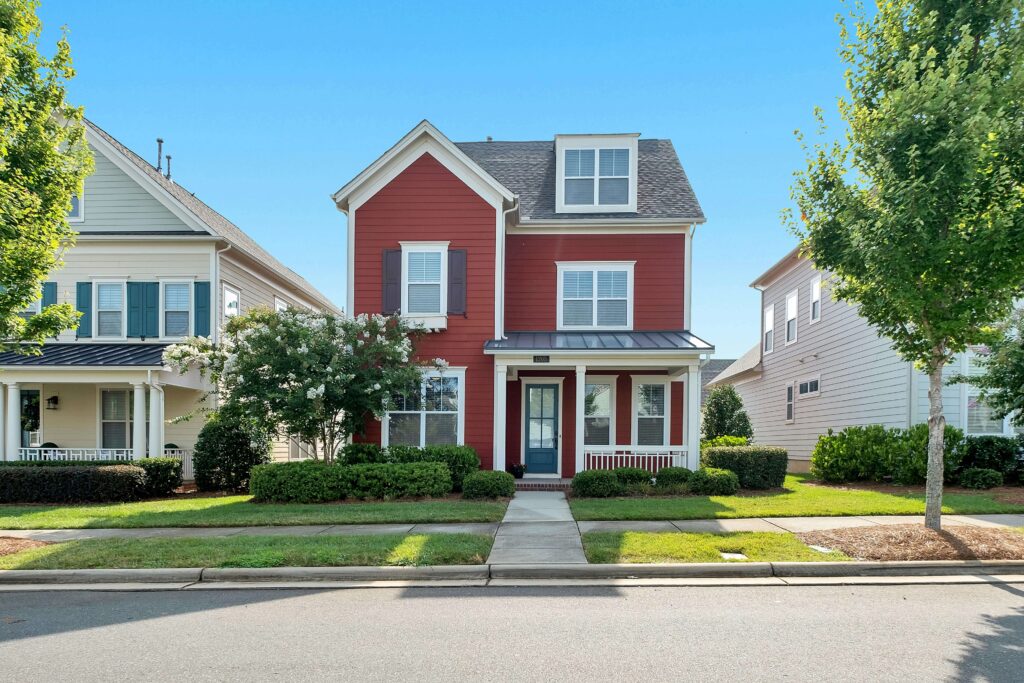
While major cities like Anchorage and Juneau tend to have higher living costs, several towns and regions in Alaska provide more affordable alternatives. Below are some of the best budget-friendly places to consider when looking for the cheapest place in Alaska to live:
1. King Cove
King Cove is a small fishing town with a cost of living significantly lower than in larger Alaskan cities. Housing is relatively affordable, and many residents take advantage of subsistence hunting and fishing to offset grocery costs. The town’s economy is largely supported by the fishing industry, making it a great option for those seeking employment in this sector.
The close-knit community ensures a lower crime rate, and local government initiatives help provide basic amenities to support the town’s economy. With a strong focus on self-sufficiency, residents often trade goods and services within the community, reducing reliance on expensive imports. The strong community bonds in King Cove make it an attractive place for those seeking a more traditional and resourceful way of life.
2. Kenai
Located on the Kenai Peninsula, this town offers a more moderate climate compared to interior regions of Alaska. Kenai has lower housing costs, and its proximity to Anchorage provides access to city amenities without the high living expenses. Outdoor enthusiasts will appreciate the town’s excellent fishing and recreational opportunities.
The availability of educational institutions and healthcare facilities also makes Kenai a desirable place to live for families and retirees looking for how cheap it is to live in Alaska without sacrificing essential services. Kenai’s economy is diversified, with opportunities in fishing, tourism, and small businesses, making it a stable choice for long-term residents. Various community programs and grants also help residents reduce their overall cost of living.
3. Palmer
Palmer is known for its agricultural community and lower housing costs compared to Anchorage. Located in the Matanuska-Susitna Valley, Palmer offers a small-town atmosphere while still being within commuting distance to Alaska’s largest city.
With annual agricultural fairs, farm-to-table markets, and local co-ops, Palmer provides a sustainable and community-oriented lifestyle that helps residents save on grocery expenses. The presence of sustainability and energy efficiency programs also helps residents lower their living costs. Palmer’s scenic landscapes and outdoor recreation opportunities make it an excellent choice for those who love nature but want to keep expenses in check.
4. North Pole
Despite its festive name, North Pole is a budget-friendly suburb of Fairbanks. While Fairbanks itself can have high heating costs due to extreme winter temperatures, North Pole’s property prices and rental rates are generally lower than those in Anchorage or Juneau, making it a good option for cost-conscious residents.
The town’s seasonal economy brings various temporary job opportunities, allowing residents to earn extra income while enjoying the holiday-themed local attractions. Many residents here invest in alternative heating methods, such as wood-burning stoves, to combat high utility costs. North Pole’s affordability and community spirit make it an appealing destination for families looking for a cheapest place in Alaska to live without completely isolating themselves from urban amenities.
5. Wrangell
Wrangell is a small, picturesque town in southeastern Alaska that offers a lower cost of living compared to larger cities. While it is remote, Wrangell boasts a welcoming community, affordable housing, and ample opportunities for outdoor recreation.
The town is known for its thriving fishing industry, which provides jobs and a steady food supply for residents looking to lower grocery costs. Wrangell’s strong local arts scene and small but tight-knit population make it an excellent choice for those looking for an affordable, peaceful lifestyle with access to nature.
Conclusion
Is Alaska cheap to live in? The answer depends on where you choose to settle. Living in Alaska on a budget is not just possible but can also be a rewarding experience for those willing to embrace a self-sufficient lifestyle. The key to making Alaska affordable is choosing the right location, leveraging available state incentives, and adopting cost-saving strategies that fit the unique conditions of the region.
While the state presents challenges such as higher costs for goods and extreme weather conditions, the trade-offs include breathtaking landscapes, strong community connections, and a lifestyle unlike any other in the United States. Whether you’re drawn to a quiet fishing village, an agricultural hub, or a close-knit rural town, finding the cheapest place in Alaska to live is possible with the right approach.
If you’re considering making the move, researching each town’s unique benefits and challenges will be key to determining where you’ll thrive financially and personally. With careful planning and a strategic approach to budgeting, settling in Alaska can be both an adventure and a financially viable opportunity. The secret to success in Alaska is a mix of resourcefulness, a willingness to adapt, and an appreciation for the rugged beauty that makes the state so special. Whether you choose to live in a coastal fishing town or a more developed urban center, the possibilities for affordable living in Alaska are plentiful.

by alaskahome | Jan 20, 2025 | Uncategorized
Alaska’s stunning natural landscapes and unique communities offer more than just an idyllic place to live—they present incredible opportunities for savvy investors. Whether you’re looking to generate passive income or dive into the exciting world of property renovation, real estate investment in Alaska can yield significant rewards. From profitable rental properties in Alaska to the burgeoning market of home flipping in Alaska, this guide explores how to make the most of the Last Frontier’s real estate potential.
The Real Estate Market in Alaska: An Overview
Alaska’s real estate market is unlike any other in the United States. While the state boasts a small population, the demand for housing remains strong, particularly in urban hubs like Anchorage, Juneau, and Fairbanks. Additionally, with limited land development in some areas, properties in desirable locations can appreciate rapidly.
Key Characteristics of the Alaskan Market:
- Limited Supply, High Demand: Alaska’s geography and climate make land development challenging, keeping housing supply relatively low and demand steady. This limited supply often drives up prices, making strategic investments highly rewarding.
- Seasonal Fluctuations: The market experiences seasonal trends, with more activity during the warmer months when home inspections and renovations are easier to conduct. Investors who prepare properties in spring can capitalize on summer sales.
- Diverse Opportunities: Investors can explore opportunities in single-family rentals, multifamily housing, and vacation properties. Each of these niches caters to different demographics, from long-term residents to seasonal workers and tourists.
Understanding these nuances is critical to navigating the real estate investment in Alaska successfully. By focusing on high-demand areas and carefully timing purchases, investors can maximize their returns.
Profitable Rental Properties in Alaska: What You Need to Know
Rental properties remain one of the most reliable ways to earn a steady income in Alaska’s real estate market. With a transient population due to military bases, seasonal workforces, and tourism, demand for rental housing is consistently strong.
Why Invest in Rental Properties in Alaska?
- Stable Income: Alaska’s rental market offers attractive returns. In cities like Anchorage, the average rent for a two-bedroom apartment is around $1,200 to $1,600 per month, while larger homes can command even higher rents. For multifamily properties, landlords often benefit from diversified income streams and lower vacancy risks.
- Low Vacancy Rates: Rental demand is high in urban areas and regions with military bases, such as Fairbanks and Anchorage. Areas near universities, like the University of Alaska campuses, also experience strong demand for student housing. Investors targeting these areas often see properties occupied year-round.
- Government Programs: Alaska Housing Finance Corporation (AHFC) offers programs to assist landlords, such as low-interest loans for energy efficiency upgrades, which can increase the value and appeal of your rental property. These upgrades also help reduce tenant turnover by offering lower utility bills.
Best Locations for Profitable Rentals:
- Anchorage: The largest city in Alaska, Anchorage attracts renters due to its job opportunities, urban amenities, and diverse housing options. Downtown Anchorage and neighborhoods like Sand Lake are particularly popular.
- Fairbanks: With its military base, university, and seasonal workforce, Fairbanks boasts a stable rental market. Properties near Fort Wainwright or the university campus are excellent choices for long-term investments.
- Juneau: The state capital is popular among government employees and seasonal workers, ensuring consistent rental demand. Waterfront properties or those near downtown offer premium rental rates.
By choosing high-demand areas and providing well-maintained properties, investors can generate steady income through profitable rental properties in Alaska.
Home Flipping in Alaska: A Growing Opportunity
Home flipping in Alaska—the practice of buying, renovating, and reselling properties for a profit—has gained traction among investors. With the right strategy, flipping can yield significant returns, especially in a market where well-maintained homes are highly sought after.
Why Home Flipping Works in Alaska:
- Limited Inventory: Many homes in Alaska are older and require renovations to meet modern standards. Flipping these properties can add value and appeal to buyers seeking move-in-ready homes.
- Rising Home Prices: Cities like Anchorage and Juneau have seen steady appreciation in home values, providing opportunities for flippers to sell at a profit. Recent market trends indicate that homes with modern features and energy-efficient upgrades sell faster and at higher prices.
- Energy Efficiency Focus: Buyers in Alaska value energy-efficient homes due to high heating costs. Renovating properties with upgraded insulation, modern heating systems, and solar panels can significantly increase resale value. Flippers who incorporate these upgrades can often command premium prices.
Steps to Successful Flipping:
- Market Research: Analyze neighborhoods with strong demand and rising property values. Anchorage’s Hillside and Fairbanks’ College neighborhoods are examples of high-potential areas. Research local zoning laws to ensure planned renovations comply with regulations.
- Budgeting: Carefully calculate renovation costs, factoring in Alaska’s higher labor and material expenses due to its remote location. Setting aside a contingency fund for unexpected costs is essential.
- Timing: The best time to list a flipped home is during the summer months when the real estate market is most active. Use the winter to complete renovations, so properties are market-ready by spring.
Vacation Rentals: A Niche Market in Alaska
Alaska’s booming tourism industry provides a lucrative niche for vacation rental properties. Tourists flock to Alaska for its natural beauty, outdoor adventures, and unique experiences, making short-term rentals a profitable venture.
Why Vacation Rentals Are Profitable:
- High Demand: With millions of visitors each year, areas like Anchorage, Seward, and Denali National Park see strong demand for short-term accommodations. Many travelers prefer the comfort and privacy of vacation rentals over traditional hotels.
- Premium Rates: Vacation rentals can command nightly rates of $150–$500, depending on the location and amenities. Properties offering unique experiences, such as remote cabins or waterfront access, often achieve higher occupancy rates and premium prices.
- Tax Advantages: Investors can benefit from tax deductions on expenses related to property maintenance, management, and marketing. These deductions can significantly lower operating costs.
Tips for Managing Vacation Rentals:
- Choose the Right Location: Proximity to tourist attractions is key. Properties near Denali National Park, the Kenai Peninsula, or coastal towns like Homer and Seward are particularly popular with visitors.
- Focus on Unique Features: Rustic cabins, waterfront homes, or properties with panoramic views are highly desirable to tourists. Highlighting these features in marketing materials can attract more bookings.
- Invest in Marketing: Platforms like Airbnb and VRBO are essential for attracting renters. Professional photography, responsive communication, and positive reviews can set your listing apart in a competitive market.
Challenges and Risks of Real Estate Investment in Alaska
While real estate investment in Alaska offers incredible opportunities, it’s not without its challenges. Investors must be prepared to navigate the unique aspects of the Alaskan market.
Common Challenges:
- Seasonal Constraints: Harsh winters can delay renovations, inspections, and construction projects. Investors must plan around these limitations to avoid costly delays.
- Higher Costs: Transportation and material costs are higher in Alaska, which can eat into profit margins. Budgeting accurately and sourcing materials locally can help mitigate these expenses.
- Remote Locations: Managing properties in rural or hard-to-reach areas may require additional resources, such as hiring local property managers or frequent travel.
How to Mitigate Risks:
- Work with Local Experts: Partnering with real estate agents, contractors, and property managers who understand the Alaskan market is crucial. Their insights can help you identify high-potential opportunities and avoid pitfalls.
- Build a Contingency Budget: Set aside 10%–20% of your budget for unexpected expenses. This can include everything from repairs to weather-related delays.
- Stay Informed: Monitor market trends, local regulations, and property tax changes to make informed decisions. Being proactive can help you adapt to changing conditions and maximize returns.
Financing Options for Investors in Alaska
Financing is a critical part of any real estate venture, and Alaska offers several options for investors. Understanding these can help you secure the funds needed for profitable rental properties in Alaska or successful home flips.
Popular Financing Options:
- Conventional Loans: Offered by banks and credit unions, these are ideal for investors with strong credit and stable income. Many lenders in Alaska offer competitive rates tailored to local market conditions.
- Alaska Housing Finance Corporation (AHFC): AHFC provides low-interest loans, including options for energy-efficient upgrades. These loans make it easier for investors to improve properties and increase their value.
- Hard Money Loans: These short-term loans are often used by flippers and can cover the purchase and renovation of a property. While interest rates are higher, they provide quick access to funds for time-sensitive deals.
Wrapping Up: Investing in Alaska’s Real Estate Market
The Alaskan real estate market is ripe with opportunities for those willing to embrace its unique challenges. Whether you’re interested in earning steady income through profitable rental properties in Alaska, exploring the lucrative niche of vacation rentals, or diving into home flipping in Alaska, the state offers something for every type of investor.
By understanding the market dynamics, leveraging local resources, and planning for potential challenges, you can unlock the full potential of real estate investment in Alaska. With its growing demand and limited supply, the Last Frontier is not just a breathtaking destination—it’s a promising place to grow your financial future.

by alaskahome | Jan 20, 2025 | Uncategorized
Alaska is renowned for its stunning landscapes, thriving wildlife, and unique lifestyle. However, for families considering a move to the Last Frontier, understanding the home expenses in Alaska and creating a robust financial plan is essential. From utility bills to housing costs, living in Alaska comes with its own set of financial challenges and opportunities. This guide will break down the monthly costs for Alaskan homeowners and provide actionable advice on budget planning for Alaskan families to help ensure financial stability in this remarkable state.
Housing Costs in Alaska: What to Expect
Housing costs are the foundation of any budget, and in Alaska, they can vary dramatically depending on location. Cities like Anchorage, Juneau, and Fairbanks generally have higher housing costs compared to smaller towns like Wasilla or Palmer. However, Alaska’s unique housing challenges, such as heating requirements and maintenance in harsh weather, can affect expenses statewide.
Renting vs. Buying in Alaska
- Renting: Rental prices in Alaska are above the national average, especially in urban areas. Anchorage rents for a two-bedroom apartment range from $1,200 to $1,600 per month, while smaller towns like Palmer offer options closer to $800 to $1,200.
- Consider factors like proximity to work and school when choosing a rental. Anchorage, for instance, has neighborhoods like South Addition and Rogers Park, where rents are higher but amenities and convenience make them worth the cost.
- Buying: The median home price in Alaska is approximately $345,000. In desirable areas like Juneau, home prices can reach $450,000 or more, depending on the property size and location.
- Hidden Costs: Homeownership in Alaska comes with unique expenses such as snow removal, roof repairs from heavy snowfall, and annual property taxes. While Alaska lacks a statewide property tax, local taxes can range from 1% to 1.5% of a home’s assessed value, depending on the borough.
Housing Tips for Budget Planning:
- Energy-Efficient Homes: Consider homes with upgraded insulation or energy-efficient heating systems, as they can significantly reduce long-term heating costs.
- Homeowners Insurance: Alaska’s weather risks, including earthquakes and heavy snow, make insurance a necessity. Monthly premiums typically range from $100 to $200.
Utilities: Preparing for Alaska’s Harsh Winters
Utilities represent a substantial portion of the monthly costs for Alaskan homeowners, especially during the long, frigid winters. The state’s climate demands significant energy use, but being proactive can help families manage these costs effectively.
Average Utility Costs:
- Heating: Heating is a necessity for up to eight months of the year. Families with oil heating systems may spend $300 to $500 per month in winter. Switching to natural gas, where available, can reduce costs by as much as 30%.
- Electricity: The average electricity bill ranges from $120 to $250 per month, though solar panels or energy-efficient upgrades can help offset this.
- Water and Sewage: In urban areas, water and sewage costs average $60 to $150 monthly. Rural households relying on private wells and septic systems may face periodic maintenance costs instead.
- Internet and Cable: Reliable internet is crucial for work-from-home families, with monthly costs ranging from $80 to $150. Satellite internet may be necessary in remote areas.
Tips for Reducing Utility Bills:
- Upgrade Appliances: Energy Star-rated refrigerators, washers, and heaters can cut electricity usage.
- Insulation: Proper insulation and sealing drafts in doors and windows can lower heating bills significantly.
- Renewable Energy: Solar panels are increasingly popular, with federal tax credits available to offset installation costs.
Groceries and Food Costs: Feeding Your Family in Alaska
Groceries in Alaska are notoriously expensive due to the state’s reliance on imported goods. Shipping costs for fresh produce, meat, and dairy products from the continental U.S. are passed on to consumers, leading to higher prices.
Average Monthly Grocery Costs:
- A family of four spends approximately $1,000 to $1,800 per month on groceries, with urban areas like Anchorage slightly cheaper than remote locations.
- Specific items, like fresh fruit or imported goods, can cost double the national average. For example, a gallon of milk may cost $6–$8, and a loaf of bread can range from $4 to $6.
Strategies to Reduce Food Costs:
- Local Food Sources: Hunting, fishing, and foraging are common ways for Alaskans to supplement their food supply. Salmon fishing, berry picking, and even subsistence hunting are popular family activities.
- Community Markets: Farmers’ markets and CSAs (Community Supported Agriculture) provide affordable, fresh, locally-grown produce.
- Bulk Buying: Stores like Costco in Anchorage allow families to save by purchasing essentials in bulk.
Families should also consider meal planning and cooking at home more frequently to avoid the high cost of dining out.
Transportation Costs: Navigating Alaska’s Unique Challenges
In a state as vast as Alaska, transportation is both a necessity and a significant expense. Families living in urban areas may rely on public transit, while those in rural or remote areas often face additional costs associated with vehicle maintenance or even air travel.
Key Transportation Costs:
- Fuel: Gasoline prices range from $4.00 to $5.50 per gallon, depending on location. Rural areas often see higher prices due to transportation costs.
- Vehicle Maintenance: The climate in Alaska can be hard on vehicles. Winterizing a car (adding snow tires, anti-freeze, and engine block heaters) can cost $200 to $500 annually. Regular maintenance costs average $100 to $300 per month.
- Public Transit: Monthly bus passes in Anchorage cost about $60, making it a viable option for families living near transit routes.
Unique Transportation Needs:
- All-Wheel Drive Vehicles: For families living outside urban centers, vehicles with all-wheel or four-wheel drive are essential for navigating snow-covered or unpaved roads.
- Air Travel: In rural areas, flights may be necessary for medical appointments, education, or visiting family. A round-trip flight within Alaska can range from $200 to $600.
Childcare and Education: Investing in Your Family’s Future

For families with young children, childcare and education are critical budget considerations. Alaska offers a mix of public, private, and charter school options, but childcare costs can be particularly high.
Childcare Costs:
- Full-time daycare costs range from $1,000 to $1,500 per month per child.
- Alternative Options: Many families opt for in-home childcare providers or share nannies to reduce costs.
Education:
- Public schools in Alaska are tuition-free, but extracurricular activities like sports or music programs often require additional fees.
- Private schools charge between $5,000 and $15,000 annually, depending on the institution. Homeschooling is another popular option, with resources like the Alaska Digital Academy offering virtual education tailored to the state’s unique challenges.
Families can also take advantage of state scholarship programs for higher education, such as the Alaska Performance Scholarship, which helps cover tuition costs for in-state colleges.
Healthcare Costs: Staying Healthy in Alaska
Healthcare in Alaska is more expensive than the national average due to its remote location and limited medical facilities. Accessing specialized care may require travel to larger cities or even out of state.
Average Healthcare Costs:
- Insurance Premiums: A family health insurance plan costs $1,200 to $1,800 per month, depending on the coverage level.
- Doctor Visits: Routine checkups range from $150 to $300 without insurance, while emergency services can quickly become expensive.
- Emergency Preparedness: Air ambulance services, which may be necessary in emergencies, can cost $10,000 or more. Investing in coverage plans like LifeMed Alaska is a good precaution.
To save on healthcare, families can participate in preventative health programs and explore telemedicine options for routine consultations.
Entertainment and Recreation: Enjoying Alaska’s Natural Beauty
While Alaska’s wilderness offers countless free outdoor activities, families often spend on equipment, memberships, and seasonal events to make the most of the state’s recreational opportunities.
Recreation Costs:
- Outdoor Activities: National parks, fishing permits, and camping fees are relatively inexpensive, averaging $20 to $50 for permits or passes.
- Seasonal Gear: Families should budget $300 to $1,000 annually for items like skis, snowshoes, or fishing equipment.
- Local Events: Communities host festivals, farmers’ markets, and cultural celebrations year-round, offering affordable entertainment options.
Families who invest in quality outdoor gear and participate in community events can maximize their recreational budget.
Tips for Budget Planning for Alaskan Families
Managing monthly costs for Alaskan homeowners requires careful planning and a proactive approach. Here are some practical tips:
- Track Expenses: Use budgeting apps to monitor spending and identify areas where you can cut costs.
- Plan for Emergencies: Set aside 3–6 months’ worth of expenses for unexpected events like vehicle repairs or medical emergencies.
- Shop Smart: Take advantage of local markets, bulk shopping, and seasonal sales.
- Maximize Savings: Research tax credits, utility rebates, and local assistance programs.
Wrapping Up: Preparing for Life in Alaska
Living in Alaska offers an unparalleled experience filled with natural beauty, tight-knit communities, and unique opportunities. However, understanding the home expenses in Alaska is crucial for maintaining financial stability. From housing and utilities to groceries and recreation, each aspect of your budget requires careful consideration.
For families ready to embrace Alaska’s lifestyle, creating a detailed financial plan will ensure a smooth transition. With proper budget planning for Alaskan families, the Last Frontier can truly become a place to call home.