
by alaskahome | May 8, 2024 | Uncategorized
Embarking on the journey of building your dream home is an exciting and fulfilling endeavor. However, navigating the financial aspects of new construction can seem daunting at first. From securing funding to understanding loan options and managing construction costs, there’s a lot to consider.
Here’s a comprehensive guide to help you navigate the process of financing your new construction home:
Assess Your Financial Situation: Before diving into the world of new construction financing, take stock of your financial situation. Evaluate your savings, income, credit score, and existing debts to determine your borrowing capacity and affordability. Knowing where you stand financially will help you set realistic goals and expectations for your new home project.
Select a Trusted Loan Officer: When choosing a lender, prioritize working with a reputable loan officer who specializes in new construction financing. Look for someone with extensive experience in the industry, a thorough understanding of construction loans, and a proven track record of guiding clients through the financing process successfully. A knowledgeable and trustworthy loan officer can provide valuable guidance, personalized advice, and tailored financing solutions to meet your specific needs and goals. Take the time to research and interview potential loan officers to find the right partner for your new construction home project.
Understand Your Financing Options: When it comes to financing new construction homes, you have several options to consider. Traditional mortgage loans, construction loans, and combination loans are among the most common choices. Traditional mortgage loans are suitable for buyers who plan to purchase a newly constructed home from a builder. Construction loans, on the other hand, are designed specifically for financing the construction of a new home. Combination loans, also known as construction-to-permanent loans, combine both construction and mortgage financing into a single package, simplifying the process for borrowers. Talk with your mortgage professional to create the best plan for your financial situation.
Gather Documentation and Preapproval: To secure financing for your new construction home, you’ll need to provide documentation of your income, assets, employment history, and creditworthiness. Start by obtaining preapproval from lenders to determine how much you can borrow and at what interest rate. Preapproval demonstrates to builders that you’re a serious buyer with the financial means to proceed with the project.
Factor in Construction Costs: When budgeting for your new construction home, it’s essential to consider all associated costs beyond the purchase price of the land and construction. These may include permits, architectural and engineering fees, land development costs, landscaping, and contingency funds for unforeseen expenses. Work closely with your builder and financial advisor to develop a comprehensive budget that covers all aspects of the project.
Plan for Contingencies: Building a new home involves inherent risks and uncertainties, so it’s essential to plan for contingencies and unexpected challenges along the way. Set aside a buffer in your budget for potential cost overruns, delays, or changes to the construction plans. Having a financial safety net will provide peace of mind and help ensure that your project stays on track despite any unforeseen obstacles.
Financing a new construction home requires careful planning, research, and attention to detail. By understanding your financing options, budgeting effectively, and working closely with experienced professionals, you can successfully navigate the financial landscape and embark on the exciting journey of building your dream home. With the right financial foundation in place, you’ll be one step closer to turning your vision into reality.

by alaskahome | May 8, 2024 | Uncategorized
One common question when looking into home building that many face is whether they need to own the land before engaging with a builder. While there’s no one-size-fits-all answer, understanding the benefits and considerations of each approach can help you make an informed decision. Let’s dive into this topic:
The Case for Owning Land First:
Location, Location, Location: Owning the land first allows you to secure a desirable location that meets your needs and preferences. Whether you envision a waterfront property, a wooded retreat, or a suburban neighborhood, having control over the land ensures you can build your dream home in your desired location.
Design Flexibility: With land already in hand, you have the freedom to design your home according to the site’s topography, orientation, and other unique characteristics. This flexibility enables you to optimize your home’s layout and features to maximize views, natural light, and outdoor living spaces.
Financial Planning: Owning the land upfront allows you to incorporate the cost of land acquisition into your overall budget and financing strategy for building your home. Knowing the land’s purchase price upfront helps you accurately assess your affordability and secure financing for both land acquisition and construction costs.
Reduced Uncertainty: By owning the land before engaging with a builder, you eliminate uncertainty regarding site availability, zoning restrictions, and other potential challenges that may arise during the land acquisition process. This provides a solid foundation for planning and executing your home building project.
Engaging with a Builder Without Land:
Builder Expertise and Guidance: Engaging with a builder before owning land allows you to tap into their expertise and guidance from the outset. Builders can offer valuable insights into site selection, land suitability, and zoning regulations, helping you narrow down options and find the perfect lot for your dream home.
Customization Opportunities: Working with a builder before owning land opens up opportunities for customization and collaboration in the home design process. Builders can help you explore floor plan options, architectural styles, and design features that align with your vision and budget, tailoring the home to your specific needs and preferences.
Streamlined Process: Engaging with a builder early in the process streamlines the home building journey, as they can assist with site evaluation, land acquisition, and navigating the complexities of the construction process. Builders can help coordinate land purchase agreements, permitting, and other logistical aspects, saving you time and effort.
Integration of Costs: By involving a builder from the outset, you can integrate land acquisition costs into your overall home building budget and financing plan. Builders can provide estimates and guidance on total project costs, allowing you to make informed decisions and avoid unexpected expenses down the line.
Whether you choose to own the land before talking to a builder or engage with a builder first, both approaches have their advantages and considerations. Ultimately, the decision depends on your priorities, preferences, and individual circumstances. If you have a specific location in mind or prefer to have full control over the land acquisition process, owning land first may be the preferred route. Conversely, if you value builder expertise, customization opportunities, and a streamlined process, engaging with a builder before owning land can offer numerous benefits.
Whichever path you choose, partnering with your New Construction Guide can help you navigate the complexities of the home building process and turn your dream home vision into reality.

by alaskahome | May 8, 2024 | Uncategorized
One of the most crucial decisions you’ll make is selecting the perfect location for your new abode. With its diverse terrain, stunning vistas, and unique challenges, Alaska offers a wealth of options for your dream home’s site. Here are some essential factors to consider when picking the ideal spot:
Scenic Surroundings: Alaska is renowned for its awe-inspiring natural beauty. Whether you prefer panoramic mountain views, tranquil waterfront settings, or serene woodland retreats, there’s a location to suit every taste. Consider what type of scenery resonates with you and explore the various regions of Alaska to find your perfect backdrop.
Climate and Weather: Alaska’s climate varies significantly depending on the region. Coastal areas experience milder temperatures and higher precipitation, while inland regions contend with colder winters and drier conditions. Think about your tolerance for cold weather, snowfall, and daylight hours throughout the year, and choose a location that aligns with your preferences and lifestyle.
Accessibility and Amenities: While Alaska is known for its remote wilderness, many areas offer convenient access to amenities such as schools, healthcare facilities, shopping centers, and recreational opportunities. Consider proximity to essential services and transportation hubs when selecting your home’s location to ensure convenience without sacrificing the tranquility of your surroundings.
Land Availability and Regulations: Before breaking ground on your dream home, familiarize yourself with local zoning laws, building codes, and environmental regulations. Determine whether the land you’re considering is suitable for residential development and if any restrictions or permits apply to your building plans. Luckily for you, your home builder guide will help you through this!
Privacy and Seclusion: If privacy is a priority for you, Alaska offers countless secluded properties where you can enjoy peace and solitude amidst nature’s splendor. Consider factors such as proximity to neighbors, road traffic, and potential future development when evaluating the level of privacy your chosen location provides.
Infrastructure and Utilities: Building a home in remote areas may require additional considerations for utilities such as electricity, water, sewage, and internet access. Evaluate the availability and cost of connecting to essential infrastructure and consider alternative solutions such as renewable energy sources and off-grid living if desired.
Community and Culture: Alaska’s diverse communities offer rich cultural experiences and opportunities for connection with like-minded individuals. Explore the local culture, traditions, and recreational activities in the areas you’re considering to find a community that aligns with your interests and values.
Building your dream home in Alaska is an adventure filled with endless possibilities and opportunities to create a sanctuary that reflects your unique vision and lifestyle. By carefully considering these factors and working with experienced professionals, you can choose the perfect location to lay down roots and embark on the next chapter of your journey in the Last Frontier.

by alaskahome | May 8, 2024 | Uncategorized
As you dive into the home building process, understanding the timeline is essential for managing expectations, staying organized, and ensuring a smooth construction experience. Here’s a guide to help you navigate the various stages of the home building timeline:
Pre-Construction Phase:
Design and Planning: The pre-construction phase begins with the design and planning stage, where you work closely with architects, engineers, and designers to create your dream home‘s blueprint. This stage involves conceptualizing the layout, selecting architectural styles, choosing materials, and finalizing the design details.
Permitting and Approvals: Once the design is finalized, the next step is obtaining necessary permits and approvals from local authorities and regulatory agencies. This process may involve submitting building plans, environmental assessments, and zoning approvals before construction can commence.
Site Preparation and Foundation:
Site Clearing and Excavation: With permits in hand, site preparation begins with clearing vegetation, grading the land, and excavating the foundation footprint. Heavy machinery is used to prepare the site for construction, ensuring a level and stable foundation.
Foundation Construction: Once the site is prepared, the foundation is constructed, typically using concrete or reinforced masonry. This critical step sets the stage for the structural integrity of your home, providing a solid base for the walls, floors, and framework to come.
Building the Structure:
Frame Construction: With the foundation in place, the framing stage begins, where the skeletal structure of your home takes shape. Framing involves erecting walls, floors, and roofs using lumber or steel, creating the framework for the interior and exterior spaces.
Enclosure and Roofing: Once the frame is complete, the next step is enclosing the structure with walls, windows, doors, and roofing materials. This stage protects the interior from the elements and allows for interior work to proceed.
Interior Finishes and Systems Installation:
Interior Finishes: With the structure enclosed, attention turns to interior finishes such as drywall installation, flooring, cabinetry, countertops, and trim work. These finishing touches transform the space into a livable home, reflecting your personal style and preferences.
Mechanical, Electrical, and Plumbing (MEP): Concurrently, MEP systems are installed, including wiring, plumbing, heating, ventilation, and air conditioning (HVAC). These essential systems provide comfort, functionality, and safety throughout your home.
Final Touches and Inspections:
Trim, Paint, and Fixtures: As interior finishes and MEP systems near completion, final touches such as painting, trim work, and installation of fixtures, appliances, and lighting fixtures are added. These details add personality and functionality to your home, bringing your vision to life.
Inspections and Quality Assurance: Throughout the construction process, inspections are conducted to ensure compliance with building codes, safety standards, and quality control measures. These inspections verify that construction meets regulatory requirements and industry best practices before finalizing the project.
Completion and Closing:
Final Walk-Through: Before closing, a final walk-through is conducted to inspect the completed home and address any remaining issues or deficiencies. This allows you to identify and resolve any concerns before taking possession of your new home.
Closing and Handover: Once all inspections are passed and final payments are made, the keys to your new home are handed over, and the closing process is completed. You’re now the proud owner of a brand-new custom-built home, ready to make cherished memories for years to come.
Navigating the home building timeline requires patience, collaboration, and careful coordination of various stakeholders and processes. By understanding each stage of the construction journey and working closely with experienced professionals, you can navigate the process with confidence and turn your dream home into a reality.
by alaskahome | May 8, 2024 | Uncategorized
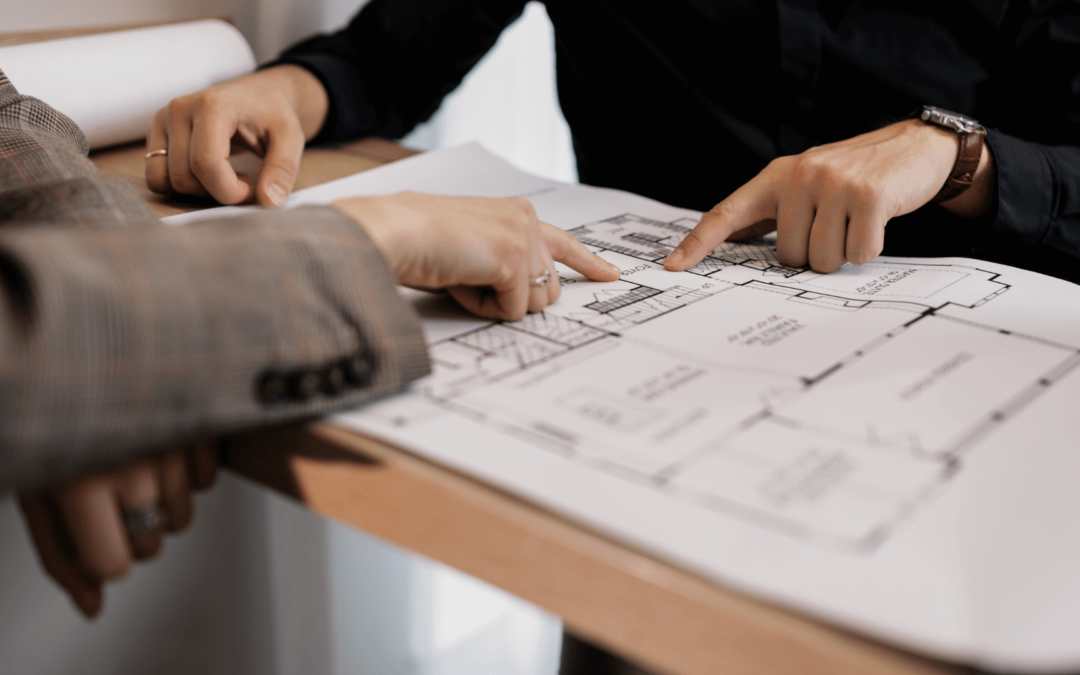
Your home’s floor plan is more than just a layout—it’s the blueprint for your daily life, reflecting your needs, preferences, and lifestyle. Whether you’re building a new home or remodeling an existing one, selecting the right floor plan is essential for creating a space that suits your family’s unique dynamics and activities. In this blog, we’ll explore valuable tips to help you find the perfect floor plan for your lifestyle. Here are some tips to help you find the perfect layout:
Assess Your Needs: Before diving into floor plan options, take time to assess your needs, preferences, and priorities. Consider factors such as family size, daily routines, entertaining habits, and future plans. Do you prefer open-concept living or defined spaces? How many bedrooms and bathrooms do you need? Understanding your lifestyle and requirements will guide your floor plan selection process.
Prioritize Functionality: Focus on functional spaces that align with your lifestyle and activities. Identify must-have features such as a spacious kitchen for cooking and entertaining, a dedicated home office or study area, ample storage for belongings, and flexible living spaces that accommodate various uses. Prioritizing functionality ensures that your home supports your daily routines and enhances your quality of life.
Consider Flow: Pay attention to the flow and circulation of spaces within the floor plan. Seek layouts that promote seamless movement between rooms and create logical pathways throughout the home. Consider how you’ll navigate the space on a daily basis and ensure that traffic flow is intuitive and unobstructed, enhancing convenience and comfort for occupants.
Plan Long-Term: When choosing a floor plan, think beyond your immediate needs and consider how your lifestyle may evolve over time. Will your family grow or shrink in the future? Do you anticipate aging in place or accommodating multigenerational living arrangements? Selecting a flexible floor plan that can adapt to changing needs ensures that your home remains functional and relevant for years to come.
Balance Privacy and Connectivity: Strike a balance between privacy and connectivity within the floor plan. While open-concept layouts promote social interaction and connectivity, they may lack privacy for certain activities. Evaluate the need for private spaces such as bedrooms, bathrooms, and quiet retreats, while also ensuring that communal areas facilitate interaction and connection among family members and guests.
Maximize Natural Light and Views: Optimize natural light and views throughout the home by strategically placing windows, doors, and skylights. Choose floor plans that maximize exposure to natural daylight and capitalize on scenic views of the surrounding landscape. Well-lit spaces not only enhance aesthetics but also promote health, productivity, and energy efficiency.
Customize to Your Taste: Don’t be afraid to customize the floor plan to suit your taste and lifestyle preferences. Many builders offer flexible floor plan options that allow for customization and personalization. Whether it’s expanding living spaces, adding bonus rooms, or modifying room layouts, tailor the floor plan to meet your specific needs and create a home that truly reflects your style and personality.
Explore Virtual Tours: Take advantage of technology by exploring virtual tours and 3D floor plan renderings to visualize potential layouts and configurations. Virtual tours allow you to experience the flow and spatial relationships of the floor plan firsthand, helping you make informed decisions and envision yourself living in the space before construction begins.
Trust Your Instincts: Ultimately, trust your instincts and intuition when selecting a floor plan. Listen to your gut feelings and emotional responses as you explore different layouts and envision yourself living in the space. Choose a floor plan that resonates with you on a personal level and reflects the lifestyle and values that are most important to you and your family.
By following these tips, you can find a floor plan that perfectly suits your lifestyle, creating a home where you’ll make cherished memories for years to come.
by alaskahome | May 8, 2024 | Uncategorized
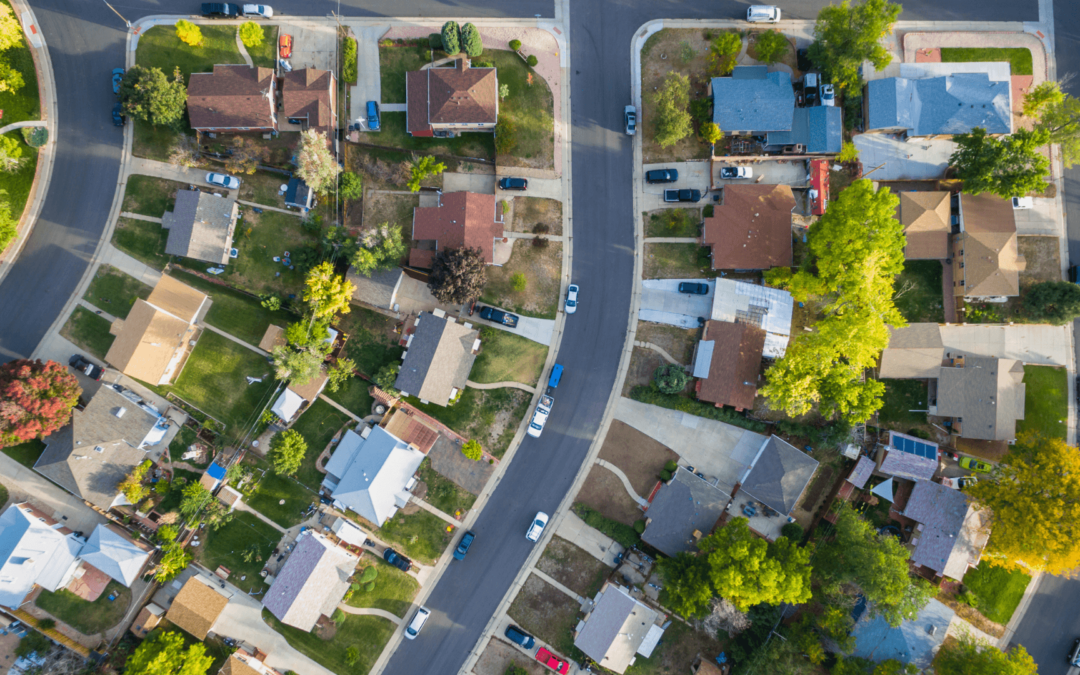
When selecting a new construction home, it’s not just about the house itself—it’s also about the neighborhood and community that surrounds it. Neighborhood amenities play a crucial role in shaping the quality of life for residents, offering convenience, recreation, and opportunities for social interaction. In this blog, we’ll explore key factors to consider when choosing a new construction community with desirable amenities.
1. Location, Location, Location:
The first consideration when evaluating neighborhood amenities is the location of the community. Look for neighborhoods that are conveniently situated near essential services such as grocery stores, schools, healthcare facilities, and public transportation. Proximity to major highways and employment centers can also impact commute times and overall convenience for residents.
2. Recreation and Leisure Facilities:
Community amenities that promote recreation and leisure are highly desirable for homeowners. Look for neighborhoods with parks, playgrounds, walking trails, and green spaces where residents can enjoy outdoor activities and connect with nature. Other amenities such as community pools, sports courts, and fitness centers provide opportunities for exercise and socialization close to home.
3. Education and Schools:
For families with children, the quality of nearby schools is a crucial factor to consider when choosing a new construction community. Research the reputation and performance of local schools, as well as any educational amenities such as preschools, daycare centers, and enrichment programs available within the neighborhood or nearby.
4. Shopping and Dining Options:
Access to shopping and dining amenities is essential for convenience and quality of life. Look for neighborhoods with retail centers, grocery stores, restaurants, and cafes within close proximity, offering a variety of options for dining, entertainment, and everyday necessities. Walkable communities with retail and dining destinations enhance the overall living experience for residents.
5. Community Events and Activities:
Community events and activities foster a sense of belonging and camaraderie among residents. Look for neighborhoods that host regular events such as farmers’ markets, festivals, concerts, and holiday celebrations, providing opportunities for social interaction and community engagement. Active homeowners’ associations (HOAs) or community centers may organize these events and activities to promote a vibrant community atmosphere.
6. Safety and Security:
Safety and security are paramount considerations when choosing a new construction community. Evaluate factors such as crime rates, lighting, sidewalks, and traffic patterns to ensure the neighborhood is safe and conducive to peaceful living. Gated communities, neighborhood watch programs, and security patrols may offer additional peace of mind for residents.
7. Pet-Friendly Features:
For pet owners, amenities that cater to furry friends are important considerations. Look for neighborhoods with dog parks, pet-friendly trails, and pet grooming stations where residents can exercise and socialize with their pets. Proximity to veterinary clinics, pet supply stores, and pet-friendly establishments adds convenience for pet owners and enhances the overall pet-friendly atmosphere of the community.
8. Environmental Sustainability:
Increasingly, homeowners are seeking neighborhoods that prioritize environmental sustainability and green living. Look for communities with green spaces, conservation areas, and sustainable design features such as energy-efficient homes, water conservation measures, and eco-friendly landscaping practices. Neighborhoods that embrace sustainability contribute to a healthier environment and promote a more sustainable way of life for residents.
9. Long-Term Appreciation Potential:
Finally, consider the long-term appreciation potential of the neighborhood amenities when choosing a new construction community. Well-maintained amenities, strong community engagement, and desirable location factors can contribute to the appreciation of property values over time, making the investment in a new construction home a sound financial decision for the future.
Neighborhood amenities play a significant role in shaping the desirability and livability of a new construction community. By considering factors such as location, recreation, education, shopping, safety, culture, pet-friendliness, sustainability, and long-term appreciation potential, prospective homeowners can make informed decisions and choose a neighborhood that aligns with their lifestyle, preferences, and aspirations.