
by alaskahome | May 8, 2024 | Uncategorized
When it comes to purchasing a home, buyers are often faced with the choice between existing properties and new construction homes. While both options have their merits, new construction homes offer a host of unique benefits that make them worth considering. In this blog, we’ll delve into the advantages of buying new and why it’s an attractive option for prospective homeowners.
1. Customization and Personalization:
One of the most significant advantages of buying a new construction home is the opportunity for customization and personalization. From floor plans and finishes to fixtures and features, buyers have the freedom to tailor their home to their exact specifications and preferences, creating a living space that reflects their unique style and needs.
2. Modern Design and Features:
New construction homes are built with the latest design trends and features, incorporating modern amenities and technologies that enhance comfort, convenience, and efficiency. From open-concept layouts and high ceilings to energy-efficient appliances and smart home systems, new homes offer a contemporary lifestyle that meets the demands of today’s homeowners.
3. Energy Efficiency and Sustainability:
Advancements in building materials and construction techniques have made new homes more energy-efficient and environmentally friendly than ever before. From enhanced insulation and high-performance windows to solar panels and geothermal heating, new construction homes are designed to minimize energy consumption, reduce utility costs, and lower environmental impact, offering long-term savings and sustainability.
4. Warranty and Peace of Mind:
New construction homes typically come with warranties that provide peace of mind to buyers. Builders often offer structural warranties covering the home’s foundation, roof, and other major components, as well as warranties for workmanship and materials. These warranties protect buyers against defects and issues that may arise after move-in, providing assurance and financial protection.
5. Reduced Maintenance and Repairs:
Unlike older homes that may require extensive maintenance and repairs, new construction homes are built with durable materials and modern systems that require less upkeep over time. With brand-new appliances, plumbing, electrical, and HVAC systems, buyers can enjoy a lower maintenance burden and fewer unexpected expenses, allowing them to focus on enjoying their home rather than worrying about repairs.
6. Community Amenities and Lifestyle:
Many new construction developments offer desirable amenities and lifestyle features that enhance the overall living experience. From community parks and playgrounds to fitness centers and walking trails, these amenities promote community engagement, social interaction, and an active lifestyle, creating a sense of belonging and camaraderie among residents.
7. Move-In Ready Convenience:
With a new construction home, buyers can enjoy the convenience of a move-in ready property without the need for extensive renovations or updates. Everything from the paint color to the flooring is brand new and ready for immediate occupancy, allowing buyers to settle in and start making memories in their new home right away.
Ultimately, buying a new construction home offers a myriad of benefits, from customization and energy efficiency to peace of mind and move-in ready convenience. With modern design, advanced features, and warranty protection, new homes provide an opportunity to build the future and create a living space that meets the needs and aspirations of today’s homeowners. If you’re in the market for a home, consider the many advantages of buying new construction—it may be the perfect option for you.

by alaskahome | May 8, 2024 | Uncategorized
In today’s world, sustainability is no longer just a buzzword—it’s a guiding principle shaping the way we design, build, and live in our homes. As awareness of environmental issues grows, so does the demand for eco-friendly and energy-efficient housing solutions. In this blog, we’ll explore the latest green building trends and sustainable features that prospective buyers should look for when considering new construction homes.
1. Energy-Efficient Design:
One of the hallmarks of green building is energy efficiency. Look for homes that incorporate passive solar design principles, such as orientation to maximize natural light and heat gain in the winter while minimizing heat gain in the summer. Energy-efficient windows, insulation, and HVAC systems are also key components to reducing energy consumption and lowering utility bills.
2. Renewable Energy Sources:
Many new construction homes are integrating renewable energy sources such as solar panels, wind turbines, or geothermal heating and cooling systems. These technologies harness natural resources to generate clean, sustainable energy, reducing reliance on fossil fuels and decreasing carbon emissions.
3. High-Performance Building Materials:
Opting for environmentally friendly building materials is another important consideration in green construction. Look for homes constructed with sustainable materials such as recycled steel, reclaimed wood, bamboo flooring, and low-VOC paints and finishes. These materials minimize environmental impact while promoting indoor air quality and occupant health.
4. Water Conservation Features:
Water efficiency is a crucial aspect of green building. Seek out homes with water-saving fixtures and appliances, such as low-flow toilets, showerheads, and faucets. Additionally, landscaping designed with native, drought-tolerant plants and rainwater harvesting systems can further reduce water usage and promote sustainable landscaping practices.
5. Smart Home Technology:
Integrating smart home technology into new construction homes enhances both comfort and efficiency. Look for features such as programmable thermostats, smart lighting systems, and energy monitoring tools that allow homeowners to optimize energy usage, reduce waste, and lower utility costs with the touch of a button.
6. Passive House Principles:
Passive house design principles prioritize energy efficiency, comfort, and indoor air quality through a combination of insulation, air sealing, and mechanical ventilation. Homes built to passive house standards achieve ultra-low energy consumption and provide superior thermal comfort year-round, making them a desirable option for environmentally conscious buyers.
7. Green Roofing and Insulation:
Green roofing systems, which incorporate living vegetation into the roof structure, offer numerous environmental benefits, including improved insulation, stormwater management, and air quality. Additionally, eco-friendly insulation materials such as recycled denim, cellulose, or spray foam provide effective thermal performance while minimizing environmental impact.
8. Indoor Air Quality Enhancements:
Indoor air quality is a critical consideration for health and comfort. Look for new construction homes equipped with advanced ventilation systems, air filtration, and materials that emit low levels of volatile organic compounds (VOCs). These features help maintain a healthy indoor environment by reducing allergens, pollutants, and toxins.
9. LEED and Energy Star Certification:
Seek out new construction homes that are certified by reputable green building programs such as LEED (Leadership in Energy and Environmental Design) and Energy Star. These certifications validate a home’s performance, sustainability, and energy efficiency, providing assurance to buyers that their home meets rigorous environmental standards.
10. Sustainable Landscaping Practices:
Lastly, consider the outdoor environment when evaluating green features in new construction homes. Sustainable landscaping practices such as xeriscaping, native plantings, permeable paving, and efficient irrigation systems promote water conservation, biodiversity, and habitat preservation while enhancing curb appeal and outdoor living spaces.
In conclusion, green building trends and sustainable features are revolutionizing the way we approach home construction, offering eco-friendly solutions that benefit both homeowners and the planet. By prioritizing energy efficiency, renewable resources, indoor air quality, and environmental stewardship, new construction homes can offer a greener, healthier, and more sustainable living environment for generations to come.

by alaskahome | May 8, 2024 | Uncategorized
Selecting the right builder is one of the most crucial decisions you’ll make in this journey. Your builder will not only construct the physical structure of your home but also play a significant role in shaping your overall experience throughout the building process.
Here are some essential tips to help you choose the perfect builder for your dream home:
Do Your Research: Begin by researching builders in your area who specialize in the type of home you envision. Explore their portfolios, read client testimonials, and visit homes they’ve built to assess the quality of their workmanship and design style. Look for builders with a solid reputation, extensive experience, and a track record of delivering exceptional results.
Define Your Needs and Budget: Before looking for builders, clearly define your needs, preferences, and budget for your dream home. Consider factors such as size, layout, architectural style, and desired amenities. Being able to communicate your vision and budget upfront will help prospective builders provide accurate estimates and tailor their services to meet your specific requirements.
Verify Credentials and Licenses: Ensure that any builder you consider is properly licensed, bonded, and insured to perform residential construction in your area. Verify their credentials with local regulatory agencies and professional associations to confirm their qualifications and compliance with industry standards and regulations. Your New Construction Guide will be a great help with this piece!
Schedule Consultations: Once you’ve narrowed down your list of potential builders, your New Construction Guide will schedule consultations to discuss your project in detail. Use this opportunity to ask questions, share your vision, and assess the builder’s communication style, responsiveness, and willingness to listen to your ideas and concerns. Pay attention to how well you connect with the builder on a personal level, as a strong rapport is essential for a successful partnership.
Evaluate Past Projects and References: Request references from past clients and ask builders to provide examples of similar projects they’ve completed. Take the time to visit these homes and speak with homeowners about their experiences working with the builder. Inquire about the builder’s professionalism, reliability, craftsmanship, and ability to stay within budget and timeline constraints.
Review Contracts and Warranties: Before signing any contracts, carefully review all terms and conditions, including payment schedules, project timelines, change order procedures, and warranty coverage. Ensure that the contract clearly outlines all aspects of the project, including materials, specifications, and responsibilities of both parties, to avoid misunderstandings or disputes later on. Again, your New Construction Guide will be able to help tremendously with this step.
Seek Transparency and Communication: Choose a builder who prioritizes transparency and open communication throughout the building process. Establish clear channels of communication and set expectations for regular progress updates, onsite meetings, and decision-making procedures. A builder who keeps you informed and involved every step of the way will help alleviate stress and ensure a smoother construction experience.
Trust Your Instincts: Ultimately, trust your instincts when selecting a builder for your dream home. Choose someone who shares your vision, values your input, and inspires confidence with their expertise, professionalism, and integrity. Building a home is a significant investment, both financially and emotionally, so it’s essential to choose a builder you trust to bring your dream to life.
By following these tips and conducting thorough research and due diligence, you can confidently select the perfect builder to partner with you in building your dream home. With the right builder by your side, you’ll embark on an exciting journey towards creating a place where you’ll make cherished memories for years to come.

by alaskahome | Apr 13, 2024 | Uncategorized
Congratulations on your decision to build a new home! One of the most exciting aspects of the home-building process is selecting the upgrades that will transform your house into a personalized sanctuary. However, with countless options available, it can be overwhelming to determine which upgrades are worth the investment. Fear not! In this guide, we’ll walk you through the steps to choosing the perfect upgrades for your new home.
Prioritize Your Needs and Wants:
Start by making a list of must-have features and desirable upgrades. Consider your lifestyle, preferences, and budget constraints. Are you an avid chef who dreams of a gourmet kitchen? Do you crave a spa-like bathroom retreat? Prioritize upgrades that will enhance your daily life and add value to your home.
Set a Realistic Budget:
Establishing a budget is essential to avoid overspending on upgrades. Determine how much you’re willing to allocate for upgrades and stick to it. Keep in mind that some upgrades may have a higher return on investment than others, so allocate your budget wisely.
Focus on Functionality:
When choosing upgrades, prioritize functionality over aesthetics. Invest in upgrades that improve the functionality and efficiency of your home. This could include energy-efficient appliances, upgraded insulation, or smart home technology. Functional upgrades not only enhance your quality of life but also contribute to long-term savings on utility bills.
Consider Resale Value:
While you’re building your dream home, it’s sometimes hard to imagine ever leaving it. There may come a time when you need to upgrade or relocate again in the future. It’s wise to consider the potential resale value of your selections. Opt for timeless finishes and designs that will withstand the test of time and can be appreciated by a potential buyer in the future.
Consult with Your Builder:
Your builder is a valuable resource when selecting upgrades for your new home. They can provide insight into the latest trends, quality of materials, and cost-effective options. Schedule a consultation with your builder to discuss upgrade possibilities and get expert advice on making the best choices for your home.
Research and Compare Options:
Do your homework before making any upgrade decisions. Research different materials, brands, and pricing options to ensure you’re getting the best value for your investment. Don’t be afraid to shop around and compare quotes from multiple vendors to find the right balance of quality and affordability.
Be Selective:
While it may be tempting to splurge on every upgrade available, be selective in your choices. Focus on upgrades that align with your priorities and add genuine value to your home. Remember, you can always add more upgrades in the future as your budget allows.
In conclusion, choosing upgrades for your new home is an exciting opportunity to personalize your space and enhance its functionality. By prioritizing your needs, setting a realistic budget, and consulting with your builder, you can make informed decisions that will transform your house into the home of your dreams. Happy upgrading!
by alaskahome | Apr 13, 2024 | Uncategorized
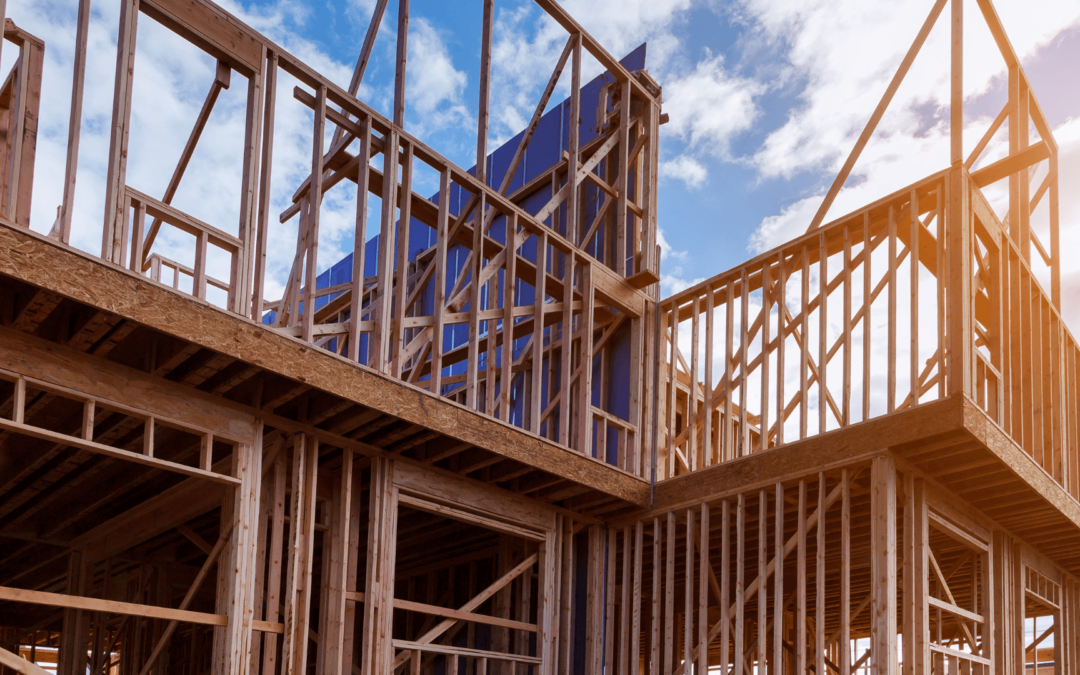
Building a home is an exciting journey that offers the opportunity to create a space that truly reflects your lifestyle and preferences. However, it’s also a complex process that requires careful planning and consideration. Whether this is your first time building a home, or if you’re a seasoned professional, here are some essential things you should know before embarking on your home-building adventure.
Define Your Needs and Wants:
As with any home purchase, it’s advisable to create a wishlist of items that your dream home has to have. Define the “must-have” features and desirable amenities to guide your decision-making process. When you meet with your builder, share this list so you can work together to create a space that fits your vision. Consider factors such as location, size, layout, and design style.
Set a Realistic Budget:
Knowing your budget is crucial when building a home. Determine how much you’re willing to spend on construction costs, land acquisition, permits, and upgrades. Be sure to account for unexpected expenses and buffer your budget accordingly.
Choose the Right Location:
Location is key when building a home. Consider factors such as proximity to schools, work, amenities, and community resources. Research zoning regulations, neighborhood restrictions, and property taxes in your desired area to ensure it aligns with your lifestyle and long-term goals.
Find the Right Builder:
Selecting the right builder is perhaps the most important decision you’ll make during the home-building process. Do your research, ask for recommendations, and interview multiple builders before making a decision. Look for a reputable builder with experience, expertise, and a track record of delivering quality craftsmanship.
Understand the Timeline:
Building a home is a time-consuming process that requires patience and flexibility. Understand that construction timelines can vary depending on factors such as weather, permit approvals, and contractor availability. Work closely with your builder to establish realistic expectations and milestones for completion.
Consider Energy Efficiency:
Incorporating energy-efficient features into your home can save you money on utility bills and reduce your environmental footprint. Consider upgrades such as high-performance insulation, energy-efficient windows, and solar panels to enhance the efficiency of your home.
Plan for Future Needs:
When designing your home, think long-term and consider how your needs may evolve over time. Incorporate flexible spaces, universal design features, and aging-in-place considerations to ensure your home remains functional and comfortable for years to come.
Stay Involved and Communicate:
Building a home is a collaborative process that requires open communication between you and your builder. Stay involved in the decision-making process, ask questions, and provide feedback throughout the construction process. Regular communication will help ensure that your vision is realized and that any issues are addressed promptly.
Building a home is a significant investment of time, money, and effort, but with careful planning and preparation, it can also be a rewarding experience. By understanding these key considerations and working closely with your builder, you can turn your dream home into a reality that you’ll cherish for years to come.

by alaskahome | Apr 13, 2024 | Uncategorized
Interior design is more than just arranging furniture and choosing paint colors; it’s about creating a space that reflects your personality, enhances functionality, and evokes happiness. Whether you’re decorating a new home or refreshing an existing space, interior design offers endless opportunities for creativity and self-expression. In this blog, we’ll dive into the world of interior design and explore tips, trends, and inspiration for transforming your space into an atmosphere of style and comfort.
Start with a Vision:
Before diving into the design process, take the time to envision the look and feel you want to achieve for your space. Consider factors such as your personal preferences, lifestyle, and the function of the room. Browse design magazines, websites, and social media platforms for inspiration. Pinterest is a really great tool to pin your favorite looks to an organized vision board.
Focus on Functionality:
While aesthetics are important, functionality should always be a top priority in interior design. Consider how you use the space and tailor the design to meet your needs and lifestyle. Arrange furniture to encourage smooth traffic flow and create functional zones for different activities. Incorporate storage solutions to keep clutter at bay and maximize space utilization.
Choose a Cohesive Color Palette:
Color sets the tone for your space and can significantly impact its ambiance and mood. Choose a cohesive color palette that reflects your personal style and complements the overall aesthetic of your home. Consider factors such as natural light, room size, and existing decor when selecting colors. Experiment with different shades and tones to create depth and visual interest.
Layer Textures and Patterns:
Texture and pattern add depth and dimension to your space, making it visually interesting. Mix and match different textures such as wood, metal, glass, and fabric to add warmth and character to your space. Experiment with patterns such as stripes, florals, and geometrics to inject personality and personality into your design.
Balance Proportion and Scale:
Achieving balance in interior design is essential for creating a harmonious and visually pleasing space. Pay attention to proportion and scale when selecting furniture and decor items. Choose pieces that are appropriately sized for the room and avoid overcrowding or overwhelming the space.
Pay Attention to Lighting:
Lighting plays a crucial role in interior design, influencing both the functionality and ambiance of your space. Incorporate a mix of natural and artificial lighting to create layers of illumination and enhance the mood of your space. Consider factors such as task lighting, ambient lighting, and accent lighting to provide adequate illumination for different activities to create the desired atmosphere.
Add Personal Touches:
Make your space truly your own by adding personal touches and meaningful decor items that reflect your personality and interests. Display family photos, artwork, and treasured mementos to infuse your space with warmth and character. Incorporate elements that tell your story and evoke memories, creating a space that feels uniquely yours.
Embrace Sustainability:
Incorporating sustainable and eco-friendly design practices into your interior design can help reduce your environmental footprint and create a healthier, more sustainable home. Choose eco-friendly materials such as reclaimed wood, recycled glass, and low-VOC paints to minimize environmental impact and promote indoor air quality. Consider energy-efficient appliances, lighting, and insulation to reduce energy consumption and lower utility bills.
In conclusion, interior design is a powerful tool for transforming your space and creating a home that reflects your personality, lifestyle, and values. By starting with a clear vision, focusing on functionality, and incorporating elements of balance, texture, and personalization, you can create a space that is both stylish and functional. With creativity, inspiration, and a little bit of imagination, the possibilities for interior design are endless.