by alaskahome | Nov 17, 2025 | Uncategorized
Building a custom home in Alaska is an exciting journey, and for many people, it represents the chance to craft a space perfectly suited to their lifestyle, climate, and long-term goals. However, the true cost to build a house in Alaska extends far beyond simple square-foot pricing. While most future homeowners focus on floor plans, finishes, and aesthetics, the biggest financial surprises often come from less glamorous yet essential elements—site preparation, logistics, engineering requirements, and Alaska-specific challenges that don’t appear in standard construction guides.
To help you plan with greater clarity, this comprehensive guide breaks down the 10 hidden costs of building a home in Alaska—items that belong in your budget from the very beginning. Whether you’re planning your first custom home or comparing options across Anchorage, the Mat-Su Valley, or rural areas, understanding these costs can protect your investment and reduce stress throughout the building process.
1. Pre-Build Costs: Land Preparation, Lot Evaluations, and Environmental Assessments
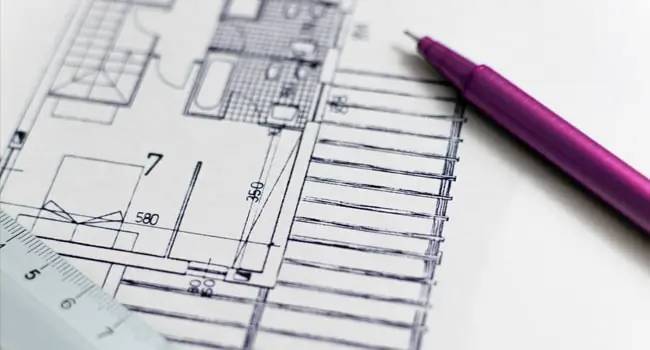 Before a single foundation is poured, you’re likely to face several pre-construction expenses that can significantly influence the total home construction cost in Alaska.
Key budget items include:
- Lot clearing and vegetation removal
- Soil testing and geotechnical evaluations
- Slope correction or drainage planning
- Environmental or wetland assessments
- Access road improvements or clearing
- Surveying and boundary verification
Because Alaska’s terrain varies widely—from rocky hillsides and glacial soils to forested lots and wetlands—these steps ensure your land can support the home you envision. They also help avoid unexpected excavation issues, water pooling, or foundational instability. In some regions, this stage alone can add several thousand dollars to your overall project.
Tip: Budget a contingency for this stage, especially if your lot is heavily wooded or on uneven terrain.
2. Site Access and Transportation Costs Unique to Alaska
One of the most overlooked factors in the cost to build a house in Alaska is the logistical reality of delivering materials, equipment, and labor to the site. The more remote your property, the more expensive your build will likely become.
Common transportation-related costs include:
- Heavy equipment transport
- Material delivery fees
- Access upgrades for large trucks
- Seasonal restrictions that cause delays
- Fuel surcharges due to distance and terrain
Even properties that appear accessible on a map may present challenges such as narrow roadways, steep driveways, or limited turnaround space. In winter, icy conditions can make transport even more complex. Because Alaska is spread across vast distances, each delivery must be carefully planned—and priced accordingly.
3. Permitting, Engineering, and Regulatory Requirements
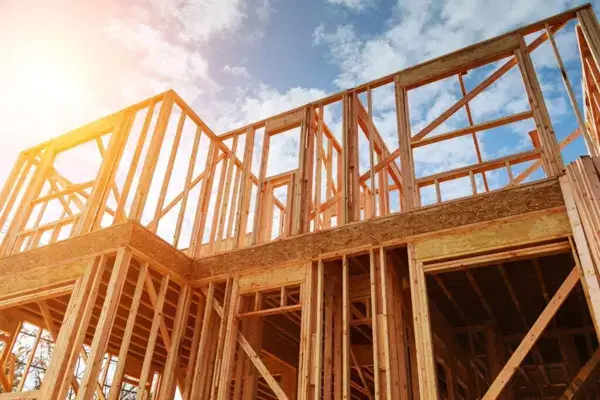 Alaska’s building regulations are designed to ensure structural safety and weather resilience, but these requirements also increase the total cost of your project.
Expenses often include:
- Building permits
- Structural engineering
- Energy compliance testing
- Mechanical inspections
- Environmental impact verification
- Septic or water system permits
These professional services help verify that your home can withstand heavy snow loads, seismic activity, strong winds, and extreme temperatures. They’re not optional—and they’re not cheap. For many homeowners, these administrative costs feel invisible until they arrive as line items in estimates.
4. Foundation and Excavation Challenges in Alaska’s Climate
The foundation is one of the most expensive parts of custom home building in Alaska, especially because local soil conditions can dramatically affect construction.
Potential additional costs include:
- Deeper excavation due to frost lines
- Compaction or backfill for unstable soils
- Additional reinforcement to support snow loads
- Frost-protected shallow foundation systems
- Drainage systems to manage runoff and freeze/thaw cycles
Building on permafrost, clay, or saturated soils often requires specialized engineering, which increases costs. Even within urban or suburban areas, the wrong type of soil can significantly increase your foundational budget.
5. Utility Access, Water Solutions, and Off-Grid Infrastructure
Connecting your new home to utilities can be more costly in Alaska than in other states, especially outside major cities. Depending on your location, you may need to budget for:
- Well drilling
- Septic system installation
- Electrical extensions
- Propane or fuel storage tanks
- Backup power systems
- Off-grid heating solutions
- Internet and communication line installation
Each of these components has multiple options, and many homeowners don’t realize the total price until they start getting quotes. Even a standard well or septic system can drastically alter the overall Alaska home construction cost, especially in areas with challenging terrain or deep frost levels.
6. Weather Delays and Seasonal Construction Limitations
Alaska’s climate affects everything—from excavation timing and concrete curing to roofing, siding, and installation of exterior materials. Seasonal timing can bring additional costs you’ll want to prepare for:
- Extended rental periods for equipment
- Temporary heating during construction
- Additional labor hours due to icy or snowy conditions
- Storage or staging fees for materials
- Weatherproofing materials or temporary shelters
Building during the wrong season can lead to delays that add thousands of dollars to your timeline. Some regions also have short “build seasons,” which increase labor demand and, consequently, labor pricing.
7. High-Performance Insulation and Cold-Weather Building Materials
Energy efficiency is not optional in Alaska—it’s essential. While the upfront cost of high-performance materials is higher, the long-term savings on energy bills and maintenance make them well worth the investment. However, it’s important to plan for the higher price tag early in your budgeting.
You may need to allocate extra funds for:
- Advanced insulation systems
- Triple-pane or cold-climate rated windows
- Air-sealing and vapor barrier solutions
- Specialized wall assemblies
- High-efficiency heating systems
- Additional ventilation and moisture control
This category of hidden costs directly affects both comfort and cost-of-living. While these materials increase the initial cost to build a home in Alaska, they contribute to long-term energy efficiency and lower operating expenses.
8. Snow Load Engineering and Roof Reinforcement
Snow loads are a defining factor of Alaskan home design. Roofing structures must withstand heavy, wet snow accumulation, high winds, and freeze-thaw cycles. That’s why you’ll often face additional expenses such as:
- Reinforced trusses
- Increased roof insulation
- Ice dam prevention systems
- Steeper roof pitches
- Snow management systems
Variations in local climate zones across Alaska—coastal, interior, and arctic—also influence the engineering standards required for your new home. Budgeting for these structural upgrades ensures long-term durability.
9. Exterior Considerations: Weatherproofing, Siding, and Climate-Smart Finishes
Exterior materials in Alaska must withstand:
- High winds
- Driving rain or snow
- Ice buildup
- UV exposure during long summer days
- Rapid temperature fluctuations
Weatherproof siding, additional layers of house wrap, corrosion-resistant fasteners, and durable roofing products often add to your total construction costs. Many homeowners underestimate how necessary these exterior upgrades are for protection and long-term maintenance.
10. Contingency Funds for Unplanned Challenges
Even the most carefully planned projects in Alaska encounter unexpected issues. Common late-stage surprises include:
- Last-minute changes to plans
- Material price fluctuations
- Additional site work
- Unexpected soil or drainage problems
- Delays due to weather or permits
A smart budget includes a contingency fund—typically 10–20% of the overall construction cost. In Alaska’s climate, closer to 20% is often more realistic. Having this buffer allows you to navigate challenges without the stress of reworking your finances midway through the build.
Final Thoughts: Plan Ahead to Avoid Budget Surprises
The total cost to build a house in Alaska is shaped by more than the structure itself. From logistics and terrain to weather and engineering, Alaska’s unique conditions introduce hidden costs that many future homeowners do not anticipate. Planning for these expenses upfront gives you a more accurate budget, reduces stress during construction, and helps you make confident decisions along the way.
While building in Alaska requires careful preparation, those who take the time to understand these hidden costs often enjoy a smoother process and a more durable, efficient home that truly fits the Alaskan lifestyle.
If you’re ready to explore your options, planning early and building a detailed budget is the best place to start. With the right guidance, your dream of owning a custom home in Alaska can become a reality—built to withstand the elements and designed for long-term enjoyment.
by alaskahome | Oct 16, 2025 | Uncategorized
Living in Alaska offers a breathtaking lifestyle surrounded by untouched nature, but it also comes with one of the harshest climates in the United States. Long, cold winters and limited daylight mean that keeping homes warm and energy-efficient is both a necessity and a challenge. In regions where temperatures can drop below -30°F, energy efficiency is not just about comfort—it’s about survival and long-term affordability. For homeowners and builders, understanding the best heating and insulation systems for Alaska homes is crucial to achieving a balance between warmth, sustainability, and cost savings.
In this in-depth guide, we’ll explore how energy-efficient heating and insulation solutions can drastically improve comfort, reduce bills, and deliver excellent ROI for homes in Alaska’s cold climate.
Why Energy Efficiency Matters So Much in Alaska
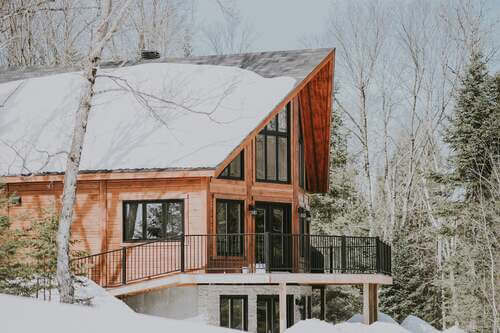 Alaska’s climate is unique. It demands housing solutions that can withstand extreme cold, heavy snow loads, and prolonged periods of darkness. Energy consumption for heating represents one of the largest household expenses for most Alaskan families, often accounting for over half of total energy use. Without proper insulation and efficient heating systems, a significant portion of that heat—and money—literally escapes through walls, ceilings, and poorly sealed windows.
Energy efficiency in Alaska homes provides several important benefits beyond cost reduction. Proper insulation helps maintain consistent indoor temperatures, prevents moisture buildup, and minimizes strain on heating equipment. It also reduces the environmental impact of fuel consumption, contributing to cleaner air and more sustainable living across the state. As building codes in Alaska continue to evolve toward higher performance standards, homeowners who invest in efficiency today are better positioned for the future.
The Fundamentals of Heat Retention in Cold Climates
Before diving into specific systems and technologies, it’s important to understand how heat moves through a home. Heat naturally flows from warm areas to cold ones, escaping through walls, ceilings, windows, and floors if they are not properly insulated. This process, known as heat loss, is intensified by Alaska’s subarctic climate and can cause a home’s heating system to work excessively to maintain a comfortable indoor temperature.
To counteract this, energy-efficient homes in Alaska rely on a combination of superior insulation, air sealing, and efficient heating distribution. Each layer of protection—whether it’s the insulation in your attic, the sealing around windows, or the thermal break in your foundation—contributes to creating a “tight envelope” that traps warmth inside while minimizing drafts and energy waste. The tighter the home’s envelope, the less energy is required to keep it warm, and the greater the savings over time.
Best Insulation Systems for Alaska Homes
Insulation is the foundation of every energy-efficient home. It serves as the barrier that keeps indoor warmth from escaping into the frozen outdoors. In Alaska, where temperature differences between inside and outside can reach 80 degrees or more, the quality and type of insulation make a massive difference.
1. Spray Foam Insulation
Spray foam insulation has become one of the most popular choices for Alaskan homes due to its superior air-sealing capabilities and high R-value per inch. It expands upon application, filling gaps, cracks, and irregular spaces that traditional materials might miss. Closed-cell spray foam, in particular, provides both thermal insulation and moisture resistance—an essential combination in areas prone to condensation and frost. It can be used in attics, walls, and even under floors for homes built on raised foundations.
2. Fiberglass and Mineral Wool
Fiberglass batts and mineral wool remain reliable and affordable options, especially when installed properly with an air barrier. Mineral wool, often made from natural rock or slag, offers excellent fire resistance and soundproofing, along with moisture resistance superior to traditional fiberglass. These materials are widely available and can be combined with vapor barriers and sealing techniques to enhance performance.
3. Rigid Foam Boards
Rigid foam insulation is ideal for foundation walls, roofs, and exterior sheathing. Extruded or expanded polystyrene boards provide a continuous thermal layer that minimizes heat loss through framing elements, which are common weak points in standard construction. This type of insulation works particularly well in remote areas of Alaska, where durability and low maintenance are key considerations.
4. Blown-In Cellulose
Blown-in cellulose insulation is another effective option for retrofitting older homes or filling irregular spaces. Made primarily from recycled paper treated for fire resistance, cellulose provides good R-value and is excellent for topping up attic insulation. When installed densely, it also helps reduce air leakage, which contributes to improved energy efficiency.
For the most efficient results, a combination of these materials—applied strategically—can help create a continuous thermal barrier throughout the home, protecting against Alaska’s freezing winters and minimizing energy waste.
The Importance of Air Sealing and Vapor Control
Even the best insulation can’t perform effectively without proper air sealing. Tiny gaps and cracks in a building envelope allow warm air to escape and cold air to infiltrate, undermining insulation performance and causing condensation problems. In Alaska, where humidity differences are high, uncontrolled air movement can lead to frost buildup inside walls and roofs, potentially causing long-term structural damage.
Effective air sealing involves caulking, weatherstripping, and the use of sealants or membranes around windows, doors, and penetrations. Vapor barriers also play a vital role in cold climates by preventing indoor moisture from migrating into insulated spaces, where it can condense and freeze. Together, air sealing and vapor control ensure that your insulation retains its full effectiveness, keeping your home warm, dry, and efficient.
Heating Systems for Energy-Efficient Homes in Alaska
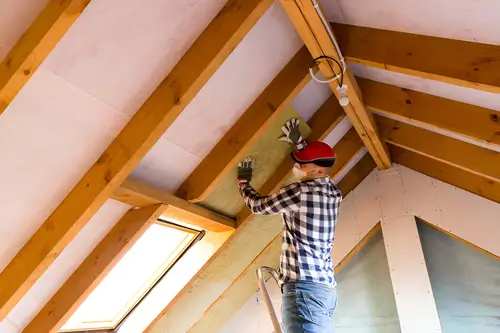 Once your home is properly insulated and sealed, choosing the right heating system becomes the next critical step. The goal is to achieve maximum comfort using the least amount of energy possible. Several modern heating systems are well-suited for Alaska’s cold conditions, each offering unique advantages depending on the location, energy source, and type of home.
1. Hydronic Radiant Heating
Hydronic radiant heating is one of the most efficient and comfortable systems for Alaska homes. It circulates warm water through tubing embedded in floors or walls, providing even, consistent heat. Unlike forced-air systems, radiant heating eliminates drafts and delivers warmth where it’s needed most—at floor level. It’s especially effective in well-insulated homes, where retained heat continues to radiate long after the system cycles off.
2. Air-Source and Ground-Source Heat Pumps
Modern heat pumps have evolved significantly and can now operate efficiently even in sub-zero temperatures. Air-source heat pumps designed for cold climates can extract heat from outdoor air and transfer it indoors with impressive efficiency. Ground-source (geothermal) heat pumps go a step further by tapping into the stable temperatures below the earth’s surface, offering year-round performance and substantial long-term savings. Although the initial cost can be higher, their energy efficiency and longevity provide excellent ROI over time.
3. High-Efficiency Furnaces
For many Alaskan homeowners, a high-efficiency furnace remains a practical choice, particularly in areas with easy access to natural gas or fuel oil. Modern furnaces equipped with condensing technology can achieve efficiencies exceeding 95%, meaning almost all of the fuel’s energy is converted into usable heat. Paired with a well-sealed duct system and programmable thermostat, these systems can significantly reduce energy bills.
4. Wood and Pellet Heating
In rural areas where access to utilities is limited, wood and pellet stoves continue to play an important role. When used with efficient combustion designs and modern venting systems, these heating options can provide reliable, renewable heat. Many homeowners use them as supplementary sources alongside other systems to reduce dependency on fuel or electricity.
Ventilation and Indoor Air Quality
A tightly sealed and insulated home requires balanced ventilation to maintain healthy indoor air quality. Without it, moisture and pollutants can accumulate, leading to mold growth or poor air circulation. Energy Recovery Ventilators (ERVs) or Heat Recovery Ventilators (HRVs) are ideal for Alaska homes because they exchange stale indoor air for fresh outdoor air while transferring most of the heat from outgoing air to incoming air. This process minimizes heat loss while ensuring the interior stays fresh, comfortable, and safe.
Calculating ROI for Energy-Efficient Upgrades
Energy-efficient upgrades in Alaska typically pay for themselves faster than in milder climates due to the high cost of heating energy. The return on investment (ROI) depends on the combination of insulation improvements, heating system upgrades, and local fuel prices. For example, upgrading from an older furnace to a modern high-efficiency model can reduce fuel use by 20–30%, while comprehensive insulation improvements can cut overall heating costs by up to 40%.
Many homeowners also see indirect benefits. A well-insulated home with an efficient heating system experiences fewer repairs, longer equipment life, and higher resale value. The improved comfort—warmer floors, consistent indoor temperatures, and reduced drafts—adds to the quality of life, which is difficult to quantify but always appreciated during Alaska’s long winters.
Practical Tips for Building or Retrofitting an Energy-Efficient Home in Alaska
- Start with a home energy audit. Identify weak points in your insulation, air sealing, and heating systems before investing in upgrades.
- Use proper R-values for your region. Alaska’s building zones vary, so choose insulation thicknesses appropriate for your local climate.
- Don’t neglect the foundation. Heat loss through uninsulated slabs and crawl spaces is significant in Alaska’s frozen ground conditions.
- Seal ducts and penetrations. Even small air leaks can waste large amounts of energy over time.
- Invest in programmable controls. Smart thermostats and zone systems help optimize heat use and reduce waste.
- Plan for ventilation. Balanced systems like HRVs or ERVs are essential in airtight homes.
- Prioritize maintenance. Clean filters, inspect seals, and service heating equipment annually to maintain performance.
The Future of Energy-Efficient Homes in Alaska
As technology advances, the potential for ultra-efficient, low-emission homes in Alaska continues to grow. The integration of smart sensors, automation, and predictive climate control systems allows homeowners to fine-tune their energy usage with remarkable precision. Combined with renewable power sources such as solar, wind, and geothermal, Alaska’s future homes are poised to become nearly self-sufficient—maintaining comfort in extreme weather with minimal energy input.
Builders are also exploring innovative materials like structural insulated panels (SIPs) and phase-change insulation that store and release heat dynamically. These emerging technologies could redefine the meaning of “energy-efficient homes in Alaska,” turning what was once a challenge into a model for sustainable living in extreme environments.
Final Thoughts
Building or retrofitting a home in Alaska requires more than just architectural skill—it requires a deep understanding of how to retain warmth, manage energy, and create comfort despite one of the most demanding climates on Earth. Energy-efficient heating and insulation systems are not optional luxuries; they are long-term investments that pay dividends in comfort, cost savings, and sustainability.
By combining superior insulation, advanced heating systems, and proper air sealing, Alaska homeowners can achieve remarkable efficiency gains. Whether constructing a new home in Anchorage or upgrading a cabin in the interior, every improvement in energy performance contributes to a better, warmer, and more sustainable future for Alaskan living.
by alaskahome | Oct 16, 2025 | Uncategorized
Building a home in Alaska has always been a distinctive adventure — one that blends ambition with resilience, creativity with practicality. Between remote locations, unpredictable weather, and short construction seasons, the path from blueprint to move-in can feel daunting. That’s where modular and prefab home construction in Alaska steps in as a transformative solution. More and more Alaskans are turning toward modular homes and prefab systems for their cost efficiency, speed, and ability to meet the state’s demanding environmental conditions. In this article, we’ll explore how modular construction works, what makes it so effective in Alaska, how much it costs, and what challenges to anticipate before you begin.
Understanding Modular and Prefab Homes in Alaska
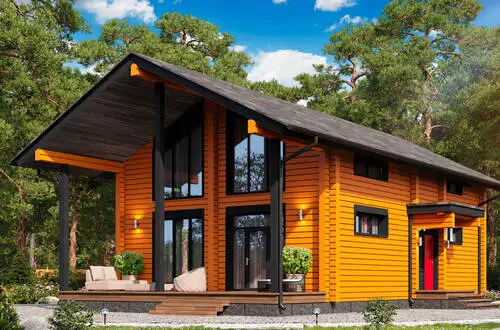 Before diving into the details, it’s essential to understand what modular and prefab construction actually means. Prefabricated (or “prefab”) homes are built in sections inside a climate-controlled facility. Each section or “module” is constructed to meet the same building codes and structural standards as traditional stick-built homes. These modules are then transported to the building site, where they’re assembled on a permanent foundation and finished with all the necessary interior and exterior details.
The modular building process is often confused with manufactured or mobile homes, but it’s far more durable and customizable. Modular homes in Alaska are real property, built to local and state codes, and can be designed in a variety of architectural styles. Because the majority of construction takes place indoors, these homes are not subject to Alaska’s harsh weather during the framing and assembly stages — a major advantage over traditional on-site construction.
Prefab home construction is a broader term that includes modular, panelized, and pre-cut homes. While modular homes come as complete sections ready for assembly, panelized homes arrive as wall panels and structural components that are quickly erected on-site. Both approaches significantly reduce build times, construction waste, and overall logistical challenges that are often magnified in remote Alaskan regions.
Why Modular Construction Works So Well in Alaska
Alaska’s climate and geography make traditional construction both time-consuming and expensive. Materials often need to be transported over long distances, weather delays can stretch projects by months, and local skilled labor can be limited in certain areas. Modular and prefab construction solve many of these problems through smarter logistics and controlled production.
One of the biggest advantages is speed. A modular home can often be completed in half the time it takes to build a conventional one. While the modules are being built in a factory, site preparation and foundation work can occur simultaneously, saving precious weeks or even months during Alaska’s short summer construction window. Once the modules arrive, assembly can be completed in a matter of days, and the interior finishing usually takes only a few more weeks.
Another significant advantage is precision and quality control. Because prefab homes are built in a regulated indoor environment, the risk of material warping, moisture infiltration, or inconsistent workmanship is minimized. Every wall, window, and joint is engineered to exact specifications, ensuring strong insulation and airtight sealing — critical factors for homes exposed to Alaska’s subzero temperatures and strong winds.
Moreover, modular homes are ideal for remote areas. For many Alaskan residents living in locations accessible only by boat, plane, or limited road systems, transporting raw materials for a traditional build can be extremely costly. Prefab and modular homes simplify logistics: entire sections can be shipped and assembled quickly, minimizing the need for prolonged construction crews or multiple deliveries to isolated sites.
Energy Efficiency and Sustainability
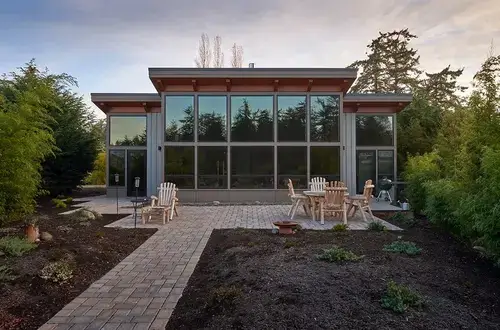 One of the lesser-known but most valuable benefits of modular homes in Alaska is their energy efficiency. Since heating is a major ongoing cost for most Alaskan households, energy-efficient design is not just a preference — it’s a necessity. Modular construction naturally lends itself to high-performance insulation and advanced air-sealing techniques. The tight tolerances achieved during factory construction help prevent drafts, cold air leaks, and moisture buildup that can occur in conventional homes.
Prefab homes can also be customized with sustainable features such as triple-pane windows, insulated doors, and energy-efficient ventilation systems. Many homeowners in Alaska also integrate renewable energy sources such as solar panels, geothermal systems, or heat recovery ventilators into their modular builds. By combining these technologies with proper insulation and orientation, a prefab home can achieve remarkable reductions in energy use while maintaining warmth and comfort year-round.
The environmental benefits extend beyond energy savings. Factory construction produces less waste because materials are cut with precision and reused efficiently. There’s also less disturbance to the building site itself, since heavy equipment and long-term crews are minimized. This makes modular homes an attractive choice for those who want to build responsibly in Alaska’s fragile ecosystems.
Cost of Modular Homes in Alaska
Understanding the cost of modular home construction in Alaska is one of the most common questions among prospective homeowners. Prices vary widely based on design, size, materials, and location, but modular homes generally cost 10% to 20% less than equivalent site-built homes.
On average, a modular home in Alaska may range between $200 and $400 per square foot, including delivery and installation. This figure depends heavily on customization, finishes, and foundation requirements. Simple cabin-style modular homes or smaller single-story layouts tend to be on the lower end of the spectrum, while larger, multi-story homes with luxury finishes fall toward the higher end.
One of the main reasons for the cost advantage is efficiency of scale. Factory production allows for bulk material purchasing, faster assembly, and reduced labor costs. Weather delays — a major source of budget overruns in Alaska — are also nearly eliminated. That means homeowners can plan more accurately and avoid the unpredictable expenses that often come with traditional builds.
However, transportation remains a major variable in Alaska. The farther the building site is from major transport routes or ports, the higher the delivery costs. Foundations and utilities also influence the final price; building on permafrost, for example, requires specialized engineering that can raise costs significantly. Still, even when accounting for these variables, prefab and modular homes usually remain more affordable and predictable than traditional construction.
Challenges of Building Modular Homes in Alaska
Despite the clear benefits, there are some unique challenges that come with modular construction in Alaska. The first and most significant is logistics. Transporting large modules through rugged terrain or across vast distances can be complex. Roads may be seasonal, ferries limited, and weather conditions unpredictable. For extremely remote areas, smaller prefab or panelized homes might be more practical than full modular units due to easier shipping and assembly.
Another challenge involves site preparation and foundations. Alaska’s diverse geography includes areas with deep frost lines, shifting soils, and permafrost. Proper foundation design is crucial to prevent movement and structural damage over time. Modular homes are typically set on permanent foundations, so soil testing and local engineering are essential to ensure stability.
Additionally, design flexibility can be somewhat limited compared to fully custom on-site construction. Modular homes must conform to transportation size limits, which can restrict certain architectural features like very high ceilings or complex rooflines. Still, with creative planning, modern modular builders can produce designs that look indistinguishable from traditional custom homes.
Finally, local permitting and zoning can introduce complexity. Although modular homes meet the same building codes as site-built structures, each municipality may have its own approval process. It’s important to work closely with local authorities and ensure all plans are reviewed and approved before fabrication begins.
How Modular Homes Improve Alaska’s Housing Landscape
Beyond individual homeowners, modular and prefab construction could play a transformative role in Alaska’s broader housing market. The state faces unique housing challenges — from remote communities with limited infrastructure to urban centers with rising construction costs. Modular systems offer scalable, fast, and high-quality solutions that can meet diverse housing needs, from permanent residences to workforce accommodations, lodges, and remote cabins.
In areas with limited construction labor, modular housing allows projects to move forward without relying on large on-site teams. This approach not only helps reduce housing shortages but also keeps projects on schedule despite labor constraints or seasonal limitations. For communities seeking sustainable development, prefab systems offer a repeatable model that can deliver high-quality homes quickly and efficiently.
Moreover, as Alaskan homeowners become more aware of energy efficiency and sustainable design, modular construction aligns perfectly with these values. Prefab methods make it easier to integrate smart home systems, better insulation materials, and renewable energy sources from the outset — setting a new standard for building performance in cold climates.
Future Trends in Prefab Home Construction in Alaska
The future of prefab homes in Alaska is bright and evolving. Advances in materials, automation, and building technology are making modular homes even more adaptable to the region’s specific demands. 3D printing, hybrid steel-frame systems, and advanced insulation composites are already shaping the next generation of modular construction. As transportation networks improve and manufacturing becomes more localized, the accessibility and affordability of modular homes are expected to grow.
Another key trend is smart modular design. Builders are beginning to incorporate digital modeling tools and AI-assisted design platforms to create highly efficient, custom floor plans tailored to Alaska’s environmental data — from sun exposure to prevailing winds and snow loads. These innovations allow homeowners to build homes that are not only faster to construct but smarter to live in.
There’s also growing interest in off-grid modular homes, especially for remote regions where utility access is limited. Prefab cabins equipped with solar arrays, water recycling systems, and advanced insulation enable year-round comfort with minimal environmental impact. These developments are making self-sufficient living in Alaska more attainable than ever before.
Final Thoughts
Modular and prefab home construction in Alaska is reshaping the way people think about building in one of the world’s most challenging environments. By combining precision engineering, energy efficiency, and logistical efficiency, modular homes provide a practical, modern, and sustainable path to homeownership. Whether you’re dreaming of a cozy cabin in the mountains or a family home near Anchorage, prefab construction can turn that vision into reality faster, smarter, and often more affordably than traditional methods.
As the demand for quality housing continues to rise, Alaska’s future is likely to include more modular and prefab builds — homes designed not only to withstand the elements but to celebrate the independence and innovation that define Alaskan living.
by alaskahome | Sep 15, 2025 | Uncategorized
Building a home in Alaska is a dream for many, but before any ground is broken, it’s crucial to understand the permits, zoning laws, and building regulations that govern construction — especially in remote or rural areas. Alaska’s unique geography, weather conditions, and local governance make its building regulations very different from those in the rest of the country. For anyone planning to build an off-grid cabin, a remote homestead, or a rural family home, knowledge of these regulations is the foundation of a smooth, legal, and safe construction project.
Why Permits and Zoning Matter So Much in Alaska
 Protecting Safety and Investment
Permits and zoning rules ensure buildings are structurally sound, environmentally responsible, and safe for occupants. They also protect property value, since compliance is often required for insurance, resale, and financing.
Accounting for Alaska’s Diverse Landscapes
Unlike many other states, Alaska’s local authorities manage an enormous range of terrain — from coastal wetlands to Arctic tundra. These environmental differences translate into distinct building codes, engineering requirements, and permitting procedures.
Avoiding Costly Mistakes
Failing to secure the proper permits can result in fines, stop-work orders, or even forced demolition. For remote builds, these setbacks can be even more expensive due to limited transportation and seasonal construction windows.
Understanding the Permitting Landscape in Alaska
Local Authority Variations
Alaska does not have a single statewide building code that applies everywhere. Instead, boroughs and municipalities adopt their own codes or follow international standards with amendments for the cold climate. Anchorage, Fairbanks, and the Matanuska-Susitna Borough have well-established permitting systems, while remote areas may have minimal oversight but still require state or federal approvals for certain activities.
Common Permit Types for Alaska Homes
- Building Permits: Required for new construction, additions, and major renovations. Cover structural integrity, safety, and compliance with adopted codes.
- Land Use Permits: Necessary for grading, clearing, or altering land in certain designated areas.
- Septic System and Water Permits: Required for on-site wastewater disposal or new wells in many rural areas.
- Electrical and Mechanical Permits: Ensure safe installation of wiring, heating systems, and plumbing.
- Floodplain or Coastal Zone Permits: May apply if building near rivers, wetlands, or coastal areas.
- Driveway or Access Permits: In some boroughs, permission is needed to connect private roads or driveways to public roads.
Steps in the Permitting Process
- Site Evaluation: Determine zoning classification, soil stability, flood risk, and access to utilities.
- Prepare Plans: Submit detailed architectural and engineering plans that meet local codes and snow load requirements.
- Submit Application: Pay applicable fees and include site maps, surveys, and engineering reports.
- Review Period: Authorities check compliance with zoning, environmental regulations, and safety codes.
- Inspections: At various stages of construction — foundation, framing, insulation, and final occupancy — inspectors ensure work meets standards.
Zoning Rules in Remote & Rural Alaska
Zoning Classifications
Zoning determines how land can be used — residential, agricultural, commercial, or mixed use. In rural Alaska, zoning may be less restrictive, but it’s still essential to verify land use designations before purchasing or building.
Setbacks and Lot Size Requirements
Even in remote areas, there are often minimum lot sizes, setback distances from property lines, and height restrictions. These rules help manage fire risk, maintain open space, and preserve environmental quality.
Access to Roads and Easements
Zoning also influences how you access your property. In many parts of Alaska, easements for access roads, utility corridors, or pipelines must be respected. Building without proper access can result in landlocked parcels with no legal way to bring in materials or emergency services.
Special Districts and Overlays
Some rural areas fall under special management districts related to wildlife habitat, mining, or cultural heritage. In these zones, additional restrictions on building footprint, construction timing, or material usage may apply.
Building Regulations Unique to Alaska
Snow Load Requirements
One of the most significant differences between building codes in Alaska and other states is the snow load requirement. Roofs, decks, and support structures must be engineered to withstand heavy snow accumulation.
Permafrost and Soil Considerations
In the Interior and Arctic regions, permafrost and unstable soils present challenges. Builders often need special foundation designs, such as adjustable piers or elevated structures, to prevent frost heave and settlement.
Wind and Seismic Standards
Alaska experiences strong winds and is seismically active. Local building codes incorporate requirements for lateral bracing, anchoring, and seismic load resistance to ensure structures remain safe during earthquakes and storms.
Energy Efficiency Codes
Cold climates require high insulation levels, air sealing, and energy-efficient windows. Some jurisdictions enforce strict energy codes to reduce heating demand and ensure homes are livable in subzero temperatures.
Navigating Permits for Off-Grid and Remote Homes
Water and Waste Systems
Off-grid homes often rely on wells, rainwater collection, or hauling systems for water, and septic tanks or composting systems for wastewater. Permits typically regulate these systems to protect groundwater and public health.
Power Generation and Fuel Storage
If you plan to install solar, wind, or diesel generators, additional permits may be necessary, especially for fuel storage tanks over certain capacities. Safety and environmental regulations govern tank placement and containment measures.
Airstrips and Boat Access
In extremely remote areas accessible only by air or water, constructing private airstrips, docks, or boat launches may trigger additional federal or state permits.
Wildlife and Environmental Protections
Remote Alaska is rich in wildlife and sensitive ecosystems. Building activities may be restricted during certain seasons to protect spawning fish or nesting birds. Clearing land or altering wetlands without approval can result in significant penalties.
Timeline and Seasonal Considerations
Short Construction Seasons
In much of Alaska, the practical building season lasts from late spring to early fall. Permitting delays can push projects into the next year. Applying early and submitting complete plans helps avoid seasonal bottlenecks.
Inspection Scheduling
Remote sites may require special arrangements for inspectors to visit. This can add time and cost to the project but is often unavoidable to maintain compliance.
Winter Preparations
If your build spans winter, temporary measures like heated enclosures or frost-protection blankets may be required. Planning for these contingencies in advance saves money and stress.
Tips for Smoother Permitting and Compliance
- Research Early: Before buying land, review zoning maps, access rights, and environmental restrictions.
- Plan for Extra Time: In rural areas, paperwork, inspections, and communication can take longer due to distance and limited staff.
- Work with Qualified Designers: Architects or engineers familiar with Alaska’s climate and codes can prevent costly mistakes.
- Document Everything: Keep copies of permits, inspections, and correspondence. This record will be valuable for insurance and resale.
- Engage with Local Authorities: Even in remote areas, local knowledge can help navigate unwritten rules and seasonal considerations.
- Budget for Logistics: Transporting materials and inspectors to remote sites adds cost. Include these in your project plan.
- Prioritize Energy Efficiency: Meeting or exceeding insulation and air-sealing requirements reduces heating load and makes regulatory approval easier.
Balancing Freedom and Responsibility in Rural Alaska
One of the appeals of rural Alaska is its sense of freedom — vast spaces, few neighbors, and more self-reliance. However, with that freedom comes responsibility. Permits and building regulations are designed not to limit creativity but to ensure safety, sustainability, and fairness in land use. Understanding and respecting these rules helps protect Alaska’s unique environment while allowing you to create a lasting, comfortable home.
Future Trends in Alaska’s Building Regulations
Increasing Focus on Sustainability
With rising energy costs and environmental awareness, expect more stringent energy codes and incentives for renewable energy systems.
Digital Permit Applications
Some boroughs are moving toward online permit applications and remote inspections. This could simplify the process for remote builders but may also introduce new documentation requirements.
Climate Change Adaptation
Melting permafrost, changing precipitation patterns, and more intense storms are prompting updates to building codes to address new risks. Staying ahead of these changes ensures your home remains safe and compliant for decades.
Conclusion
Building a home in remote or rural Alaska is both an adventure and a serious undertaking. Permits, zoning laws, and building regulations may seem like obstacles, but they are, in fact, vital tools to protect your investment, your safety, and the environment. By researching requirements early, preparing detailed plans, and respecting local rules, you can streamline the approval process and build a home that stands the test of time.
Whether you’re planning an off-grid cabin, a family retreat, or a full-time residence, understanding Alaska’s permitting and regulatory landscape is the first step toward success. With careful planning and compliance, you’ll be ready to break ground on your dream home — and do it the right way.
by alaskahome | Sep 15, 2025 | Uncategorized
Building a home in Alaska requires more than choosing the right floor plan or a scenic lot. The state’s unique climate — long, frigid winters, short summers, and dramatic temperature swings — demands that insulation and heating systems be top priorities. Effective insulation and reliable heating systems are not only about comfort but also about cost savings, energy efficiency, and long-term sustainability. For anyone planning to build or renovate in Alaska, understanding the best insulation and heating solutions can help ensure a durable, efficient, and comfortable home.
Why Insulation and Heating Matter So Much in Alaska Homes
Alaska’s cold climate places extraordinary demands on building materials and energy systems. Poor insulation can lead to massive heat loss, resulting in higher utility bills, condensation problems, and structural damage over time. Similarly, undersized or outdated heating systems can leave residents vulnerable to extreme cold and emergency breakdowns.
Properly designed insulation and heating systems in Alaska homes provide:
- Lower energy costs during prolonged winters
- Increased indoor comfort with stable temperatures
- Better moisture control, preventing mold and rot
- Higher property value, since efficient systems appeal to buyers
- Reduced environmental impact, as energy efficiency lowers emissions
Understanding Insulation Needs for Alaska Homes
Climate and R-Values
In Alaska’s diverse regions, recommended R-values — a measure of insulation’s resistance to heat flow — are much higher than in most U.S. states. Homes in Anchorage may need R-38 or more in ceilings, while homes in interior or Arctic zones may need R-60 or higher. Walls typically range from R-21 to R-40, and floors or foundations also require high-performance insulation.
When building in Alaska, think of insulation as a system rather than a single layer. Attics, walls, floors, basements, and crawlspaces must all work together to prevent heat loss. High R-values paired with good air sealing create the best results.
Types of Insulation for Cold Climates
There are several widely used insulation types for Alaska homes, each with its strengths and considerations:
- Spray foam insulation: Creates an airtight seal in irregular spaces, ideal for minimizing air leaks. Particularly effective in crawlspaces, rim joists, and complex framing.
- Rigid foam board insulation: Offers high R-values per inch and resists moisture, making it well-suited for exterior walls, foundations, and under-slab applications.
- Blown-in cellulose or fiberglass: Provides even coverage in attics and wall cavities, cost-effective and versatile.
- Batt insulation: Pre-cut panels of fiberglass or mineral wool; economical but requires precise installation to avoid gaps.
- Insulated concrete forms (ICFs) or structural insulated panels (SIPs): Integrated building systems combining structure and insulation, providing continuous thermal protection for Alaska homes.
Air Sealing and Vapor Control
In extremely cold climates, air leakage can undermine even the highest R-value insulation. Sealing gaps around windows, doors, and penetrations is essential. Vapor barriers or vapor retarders also help control moisture movement, preventing condensation inside walls — a common issue in Alaska homes due to large indoor-outdoor temperature differences.
Heating Systems for Alaska Homes
 Heating Load Calculations
Choosing the right heating system begins with a proper heating load calculation. This process estimates how much heat a home needs based on insulation levels, air tightness, orientation, and local climate conditions. Oversized systems waste energy and money, while undersized systems can’t keep up in deep winter. A well-insulated home with high-performance windows may need far less heating capacity than an older home with gaps and thin walls.
Popular Heating Systems for Cold Climates
Alaska homes rely on a variety of heating systems. Each has trade-offs in cost, efficiency, and maintenance. Here are the main options:
- Radiant Floor Heating: Pipes or electric elements beneath the floor provide even, comfortable warmth. Works well with high-efficiency boilers and can pair with renewable energy sources.
- Hydronic Baseboard Heating: Hot water runs through pipes along baseboards, offering quiet and steady heat.
- Forced-Air Furnaces: Distributes heated air via ducts. Can integrate with air filtration or ventilation systems, but may result in uneven heating without careful duct design.
- Heat Pumps Designed for Cold Climates: Modern cold-climate heat pumps can extract heat from the air even at very low temperatures, offering efficiency and potential cooling in summer.
- Wood or Pellet Stoves (as a secondary source): Useful in rural areas or for emergency backup; however, they require regular fuel handling and proper ventilation.
Comparing Heating Systems in Alaska Homes
- Efficiency: Look at annual fuel utilization efficiency (AFUE) or coefficient of performance (COP) ratings. In Alaska, where heating runs for many months, small efficiency gains translate into significant cost savings.
- Fuel Availability: Depending on the area, natural gas, heating oil, propane, or electricity may dominate. Choose a system compatible with local infrastructure and costs.
- Reliability: Harsh winters demand durable systems with easily accessible service and maintenance.
- Integration with Renewable Energy: Solar thermal panels or geothermal loops can supplement conventional systems to reduce fuel use, especially in off-grid or remote locations.
How Insulation and Heating Work Together
High-performance insulation reduces the workload on heating systems. In well-sealed, highly insulated Alaska homes, smaller heating systems can achieve the same comfort level as much larger systems in poorly insulated houses. This synergy saves money upfront and over time.
For example, upgrading attic insulation from R-30 to R-60 could allow a homeowner to choose a smaller, more efficient boiler. Similarly, installing high-quality windows and sealing air leaks can improve indoor comfort so dramatically that occupants can set thermostats lower without feeling chilly.

Moisture Management and Ventilation
With powerful insulation and tight air sealing comes a new challenge: indoor air quality. Without proper ventilation, moisture from cooking, bathing, and breathing can accumulate, leading to mold and indoor air problems. Balanced ventilation systems, such as heat recovery ventilators (HRVs) or energy recovery ventilators (ERVs), are especially valuable in Alaska homes. They exchange stale indoor air with fresh outdoor air while recovering much of the heat, maintaining efficiency.
Budgeting for Insulation and Heating in Alaska Homes
The upfront cost of high-quality insulation and heating systems may seem steep, but it pays off quickly in Alaska’s climate. Consider the following budgeting tips:
- Prioritize the building envelope first. Money spent on insulation and air sealing reduces heating demand permanently.
- Look for incentives. While this article avoids naming specific programs, energy-efficiency rebates or tax credits may be available at the state or local levels.
- Think long-term savings. Calculate lifetime costs, not just installation costs. Energy efficiency can pay back in just a few winters.
- Plan for maintenance. Even the best heating systems need periodic servicing, so factor in accessibility and service costs.
Emerging Trends in Alaska Home Construction
 Passive House Design: Ultra-low energy homes using very high R-value insulation, airtight envelopes, and balanced ventilation. While still niche, it’s gaining traction in cold climates.
- Advanced Framing Techniques: Reduce thermal bridging and increase insulation depth in walls.
- Hybrid Heating Systems: Combining heat pumps with auxiliary boilers or stoves for peak loads.
- Smart Thermostats and Zoning: Allow more precise control over heating, saving energy while maintaining comfort.
Practical Tips for Homeowners
- Start with an energy audit or load calculation. Even for new construction, this sets the right expectations for system size and insulation levels.
- Invest in high-performance windows and doors. These are part of the insulation system and significantly impact heating needs.
- Seal ducts and insulate attics. Heat loss through ductwork and ceilings is a major culprit in Alaska homes.
- Consider multiple heating zones. This approach allows fine-tuned control for different areas of the house.
- Plan for backup power. In remote areas, a generator or alternative heating source can provide security during outages.
Conclusion
For anyone building or renovating a home in Alaska, insulation and heating systems are not optional extras — they’re the foundation of a safe, comfortable, and efficient living space. The best Alaska homes combine high R-value insulation, meticulous air sealing, moisture control, and a heating system sized precisely for the building and its climate. By taking a whole-house approach, homeowners can enjoy lower energy bills, greater comfort, and peace of mind even during Alaska’s harshest winters.
Whether you’re planning your first build or upgrading an existing home, focusing on the right insulation and heating strategy today ensures a resilient, sustainable home for years to come.